
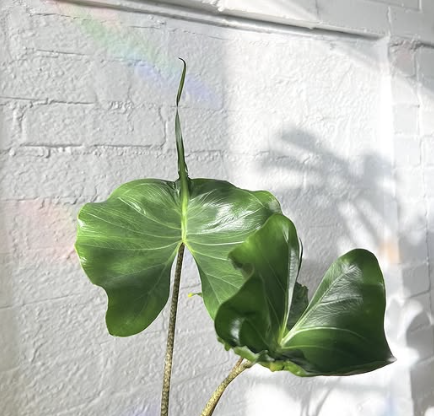
The Stingray Plant (Alocasia macrorrhiza ‘Stingray’) is a stunning choice for any plant lover’s collection.
With its unique leaves that look like little stingrays, this plant is a guaranteed conversation starter.
If you’re looking to add a touch of the exotic to your space, the Stingray is a wonderful option! Here’s a complete guide to caring for this dramatic and beautiful plant.
Why Own a Stingray Plant?
The Stingray Plant is more than just a pretty face. Its bold, unique leaf shape makes it stand out in any plant collection.
The leaves resemble a stingray gliding through the water, with a wavy, flared “body” and a long “tail.”
It’s an excellent choice for adding a tropical vibe to your home, and once you get its care needs down, it’s fairly straightforward to care for. Plus, it’s a great way to bring a bit of the tropics indoors!
Size
Stingray plants can grow to be around 3-5 feet tall indoors and can spread quite wide, so make sure you have enough room to let it shine!
They’re ideal as floor plants in larger rooms or spaces where their unique shape can be appreciated.
Light
Stingray Plants thrive in bright, indirect light.
While they can handle lower light levels, you’ll see much healthier growth if you place them in a spot that receives plenty of filtered sunlight.
Avoid direct sunlight, as it can scorch the leaves, but if you can provide some morning sun, it’ll love that!
Water
Watering can be tricky with Stingray Plants.
They prefer to stay slightly moist, but over-watering can lead to root rot. I water mine when the top 1-2 inches of soil feel dry. If your plant looks a bit droopy, that’s often a sign it’s thirsty.
Just don’t let it sit in soggy soil for too long.
Temperature
This tropical plant does best in warm temperatures.
Try to keep it between 65-80°F, and avoid exposing it to cold drafts, as it’s sensitive to temperature changes.
If your home is comfortable for you, it’s likely comfortable for your Stingray.
Humidity
Stingray Plants love high humidity. Ideally, keep them in an environment with at least 50-60% humidity.
If your home has low humidity, a pebble tray with water under the plant pot or a small humidifier nearby can help.
For smaller plants, placing a clear plastic bag or cup over the plant can create a mini greenhouse effect that keeps humidity in.
Soil
Stingray Plants need well-draining, airy soil that doesn’t hold too much water.
A good mix is one part potting soil, one part perlite, and a bit of orchid bark for extra airiness.
Avoid heavy soils that stay too wet, as Stingrays are prone to root rot.
Fertilizer
Stingray Plants are heavy feeders during their growing season (spring and summer).
A balanced, water-soluble fertilizer every 2-4 weeks works well. Just make sure to dilute it to half strength to avoid over-fertilizing.
Cut back on fertilizing during the winter when the plant’s growth slows.
Potting
These plants don’t need repotting often and actually don’t like being disturbed.
Clear pots are helpful because you can monitor the soil’s moisture and the root health more easily.
If you do repot, do so in early spring, just before the growing season.
Pruning
Stingray Plants don’t need a lot of pruning. Simply remove any yellowing or dead leaves to keep the plant looking its best.
Be careful with the leaves, as they’re a bit sensitive and can tear easily.
Propagation
Propagating a Stingray Plant is best done through division, as they often produce small offshoots. When repotting, gently separate these “pups” and pot them individually.
Be careful with their roots, they’re a bit sensitive!
Pests
Stingray Plants can attract some pests, especially in drier environments:
- Spider Mites: These are the most common issue, especially in low humidity. Wipe the leaves with a damp cloth regularly to prevent them.
- Aphids: Check under the leaves for these little pests, as they can hide there. Insecticidal soap or neem oil works well for getting rid of them.
- Mealybugs: These pests look like tiny bits of cotton and can be removed by wiping with a cotton swab dipped in alcohol.
Inspect your plant regularly to catch pests early and prevent infestations. If pests become a problem, diluted hydrogen peroxide can help control larvae in the soil while improving root oxygen levels.
Diseases
Stingray Plants can suffer from:
- Root Rot: This is often caused by overwatering or poorly draining soil. Make sure to use a well-draining soil mix and water only when needed.
- Leaf Spot: If you notice brown or yellow spots on the leaves, it could be due to a fungal or bacterial infection. Remove affected leaves and ensure good air circulation around the plant.
Is It Toxic?
Yes, like many plants in the Alocasia family, Stingray Plants are toxic if ingested, especially to pets. Keep them out of reach of curious pets and children to be safe.
Common Issues
- Yellow Leaves: This can be due to overwatering, low humidity, or inadequate light. Adjust your care routine and keep an eye on your plant’s needs.
- Wilting: If your Stingray is wilting, it could be thirsty, or the soil might be too dry. Check the moisture level and water if needed.
- Mushy Roots: Often a sign of root rot due to overwatering or poor drainage. Be careful not to keep the soil too wet.
- Flowers: Stingray Plants can produce flowers, but it’s rare indoors. The blooms aren’t particularly showy, and many people trim them to allow more energy for leaf growth.
- Leaf Count: Stingrays typically have a few large leaves at a time. Don’t worry if it has only a few leaves; this is part of its natural growth habit.
Difficulty Level
Stingray Plants can be a bit finicky, especially with humidity and watering, so they’re best suited for intermediate plant parents.
However, with the right care and a bit of patience, you’ll find that they’re not too difficult to keep happy.
A Stingray Plant can make a bold and beautiful statement in your home.
They might be a little dramatic (like many Alocasias!), but once you learn their preferences, they can be a delightful addition to any plant collection.
Just remember to keep their humidity up, avoid overwatering, and give them plenty of bright, indirect light, and you’ll have a happy Stingray!
Want more help with your plants? Read my other plant care guides here.
Frequently Asked Questions About Growing a Stingray Plant
1. Why is my Stingray plant dropping leaves?
Dropping leaves can occur due to several reasons:
- Overwatering: The most common cause is soggy soil, which can lead to root rot. Allow the soil to dry out between waterings.
- Underwatering: If the soil has been too dry for an extended period, the plant may drop leaves to conserve resources.
- Temperature Stress: Sudden changes in temperature, such as drafts or proximity to heating vents, can also cause leaf drop.
- Low Humidity: Stingray plants prefer moderate humidity, so very dry air might stress them.
2. Why are the leaves of my Stingray plant turning yellow?
Yellowing leaves are usually a sign of overwatering, which leads to waterlogged roots. Ensure your plant is in a pot with drainage holes and that you’re using well-draining soil. If overwatering isn’t the issue, check for nutrient deficiencies or lack of light.
3. What is the best soil for a Stingray plant?
The Stingray plant thrives in well-draining soil. A mix designed for houseplants with some added perlite or sand for extra drainage is ideal. Avoid heavy soils that retain too much water.
4. Can I keep a Stingray plant outside?
Stingray plants are tropical and prefer warmer temperatures between 65–80°F (18–27°C). You can keep them outdoors in the summer if the temperatures are warm enough, but bring them inside before temperatures drop below 60°F (15°C) to prevent stress.
5. Do Stingray plants go dormant?
Stingray plants don’t have a true dormancy period but may slow their growth in cooler months or when they receive less sunlight. During this time, reduce watering and avoid fertilizing.
6. How much light does a Stingray plant need?
Stingray plants prefer bright, indirect light. Too much direct sunlight can scorch the leaves, while too little light can lead to weak growth and pale leaves.
7. How often should I water my Stingray plant?
Water when the top 1-2 inches of soil are dry. Avoid letting the plant sit in standing water, as this can cause root rot. In the winter, water less frequently as the plant’s growth slows down.
8. Why are the edges of my Stingray plant’s leaves browning?
Brown leaf edges can be caused by:
- Low Humidity: Increase humidity using a pebble tray, humidifier, or misting.
- Underwatering: Ensure the plant is watered regularly but not excessively.
- Mineral Build-Up: Use filtered or distilled water to avoid salt accumulation from tap water.
9. How big can a Stingray plant grow?
Under ideal conditions, a Stingray plant can grow up to 3-4 feet tall and wide, with leaves resembling stingray fins extending impressively.
10. Can I propagate a Stingray plant?
Yes, Stingray plants can be propagated through division. When repotting a mature plant, separate healthy offsets with their own roots and plant them in fresh soil.
11. What pests should I watch for on my Stingray plant?
Common pests include spider mites, mealybugs, and scale insects. Check for sticky residue or discoloured spots on leaves. Treat infestations with insecticidal soap or neem oil.
12. Does a Stingray plant need fertilizer?
Fertilize during the growing season (spring and summer) with a balanced, diluted houseplant fertilizer. Avoid feeding during the fall and winter months when growth slows.