
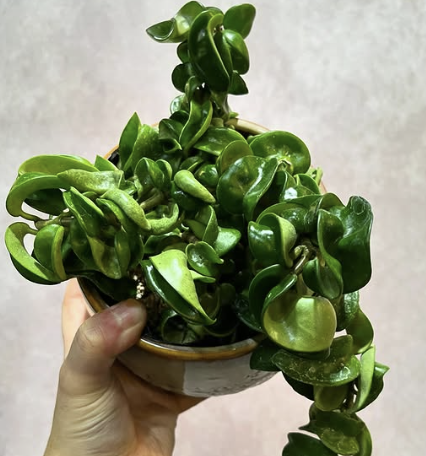
The Hindu Rope Plant, also known as Hoya Carnosa Compacta or “Krinkle Kurl,” is one of my favorite low-maintenance houseplants.
With its thick, waxy, twisted leaves and beautiful, fragrant star-shaped flowers, it’s a unique addition to any plant lover’s collection.
Here’s everything you need to know about caring for this tropical beauty, plus some of my personal tips for keeping it healthy and happy.
Introduction
The Hindu Rope Plant is part of the Hoya carnosa family, often called a wax plant because of its thick, waxy foliage.
Originally from tropical regions, this slow-growing, low-maintenance plant does well indoors, especially when displayed in hanging baskets where its vines can trail.
Its flowers are particularly scented in the evenings, making it perfect for adding a touch of relaxation to your home.
Size
A mature Hindu Rope Plant can grow up to 4 feet long over several years, with tightly coiled, curly leaves. This is a plant that takes its time to grow, so patience is key!
Light
This plant thrives in bright, indirect light and can tolerate some direct sunlight.
Placing it near an east- or south-facing window will provide it with plenty of sunlight for healthy growth, though it can also adapt to lower light conditions.
During winter, you may want to move it to a sunnier spot to make up for the shorter daylight hours. If your plant has no flowers, you may want to move it to a brighter spot in your home.
Water
The Hindu Rope Plant likes a “less is more” watering approach.
Water only when the top inch of soil is dry, and remember to reduce watering in the winter months when it’s dormant. Overwatering can lead to root rot, so use a pot with drainage holes to prevent excess water from sitting at the bottom.
Temperature
Being a tropical plant, the Hindu Rope prefers warm temperatures. Aim to keep it in a spot with temperatures between 64–75°F. It can handle cooler temps for short periods, but avoid exposing it to temperatures below 50°F, as it may lead to leaf drop or stunted growth.
Humidity
Although this plant is hardy, it does best in a high humidity environment.
You can boost humidity by using a pebble tray or a small humidifier nearby. Bathrooms or kitchens are great placement options due to their naturally higher humidity.
In dry climates or during winter, a humidity boost will keep its waxy foliage looking vibrant.
Soil
The Hindu Rope Plant needs well-draining soil to prevent waterlogging. A mix of potting soil with orchid bark or perlite works well for drainage, or you can use a cactus/succulent mix. Mimicking its natural habitat on the rainforest floor, a loose, airy soil mix helps keep its roots healthy.
Fertilizer
Fertilize lightly during the growing season (spring and summer) with a balanced, water-soluble fertilizer every 4–6 weeks.
Avoid using too much fertilizer, as excess nutrients can damage the roots. In the winter, hold off on feeding as the plant’s growth naturally slows down.
Potting
The Hindu Rope Plant prefers a snug pot with sufficient drainage holes. Repot only when it becomes root-bound, which may be every 2–3 years, using a pot that is only one size larger to maintain root health.
Pruning
This plant doesn’t require much pruning, but you can remove dead leaves to keep it tidy. Avoid heavy pruning, as it blooms on older growth. Trimming too much may reduce its chances of producing those lovely, fragrant star-shaped flowers.
Propagation
The Hindu Rope Plant can be propagated from stem cuttings with at least one leaf node.
Let the cutting dry for a day, then place it in a mix of soil and perlite.
Keep the cutting in warm, humid conditions to encourage root growth.
Propagation may take a few weeks to months, so patience is essential!
Pests
Common pests for Hindu Rope Plants include spider mites, whitefly, scale insects, and mealybugs. Regularly wipe down the leaves with a damp cloth to keep pests at bay, and inspect the plant often.
If you notice pests, treat them with neem oil or insecticidal soap.
Diseases
Root rot is the most common issue with Hindu Rope Plants, often caused by excess water or poorly draining soil.
To prevent this, ensure the plant is in a pot with drainage holes and let the soil dry out between waterings. Keep an eye out for signs of rot, such as yellowing leaves or a mushy stem.
Common Issues and Troubleshooting Tips
Slow or Stunted Growth
Often caused by insufficient light. Move the plant to a bright spot with indirect sunlight.
Black or yellow Leaves
Could indicate overwatering. Allow the soil to dry out between waterings, and ensure the pot has good drainage.
Leggy or Pale Growth
This usually means it’s not getting enough light. Try moving it closer to a south-facing or west-facing window.
Drooping Leaves
This can be a sign of inconsistent watering. Stick to a regular watering routine and avoid letting the soil dry out too much.
No Blooms
This plant blooms best in bright light. If it’s not flowering, try increasing light exposure, especially during the growing season, and avoid heavy pruning.
Dripping flowers
The flowers produce nectar to attract pollinators. This is normal, no action needed.
Traditional Pot or Hanging?
Whether to place your Hindu Rope Plant (Hoya Carnosa Compacta) in a traditional pot or a hanging pot depends on your space and aesthetic preferences, as well as the plant’s natural growth habit.
If you want more help on styling plants in your home, head over to my plant decor page.
Hanging Pot Benefits
The Hindu Rope Plant has a trailing growth habit, making it well-suited for hanging pots where the long vines can cascade down beautifully.
In a hanging pot, the curly vines are more visible, and this setup gives them plenty of space to grow downward naturally.
Hanging pots also help keep the plant away from surfaces where it might collect too much moisture, improving air circulation around the leaves and reducing the risk of issues like fungal growth or pest infestations.
Want to add more trailing plants to your collection? Read my blog post on Best Trailing Plants Indoor: Beautiful Vines That Transform Any Space
Traditional Pot on a Shelf
If you prefer a traditional pot, placing it on a high shelf or stand is a great compromise.
This way, the vines can still drape down without being on the floor, keeping the plant elevated and allowing for better light exposure to its trailing vines.
Some people find this option gives more control over light placement since you can position it exactly in your plant’s preferred bright, indirect light spot.
Light and Watering Considerations
Regardless of the type of pot you choose, ensure it has drainage holes. Good drainage is critical for preventing root rot, especially for the Hindu Rope Plant, which is sensitive to overwatering. Place it in a spot with bright, indirect light, as direct sunlight can scorch its leaves
The Hindu Rope Plant is part of the Hoya genus and is sometimes called the Honey Plant for the sweet fragrance of its flowers. It’s also valued for its resilience, thriving even in low-maintenance conditions. Originating from tropical regions, this epiphytic plant grows on tree trunks in the wild, relying on its host for support without taking nutrients from it.
Adding these little touches to your Hindu Rope Plant care routine will help keep your plant healthy and happy for years to come. With its beautiful, waxy leaves and delicate flowers, this plant is truly a showstopper!
If you are ready to expand your indoor garden, head over to my Houseplant Care Section for more plant care guides.