Choosing the right soil plays a huge role in plant health.
Many gardeners feel unsure when comparing topsoil vs garden soil. Both sound similar, yet they serve very different purposes. Once you understand how each works, growing strong plants becomes much easier.
This guide breaks everything down in a simple way.
You will learn what garden soil is, what top soil is, how they differ, and how to use each one correctly.
What Is Garden Soil?
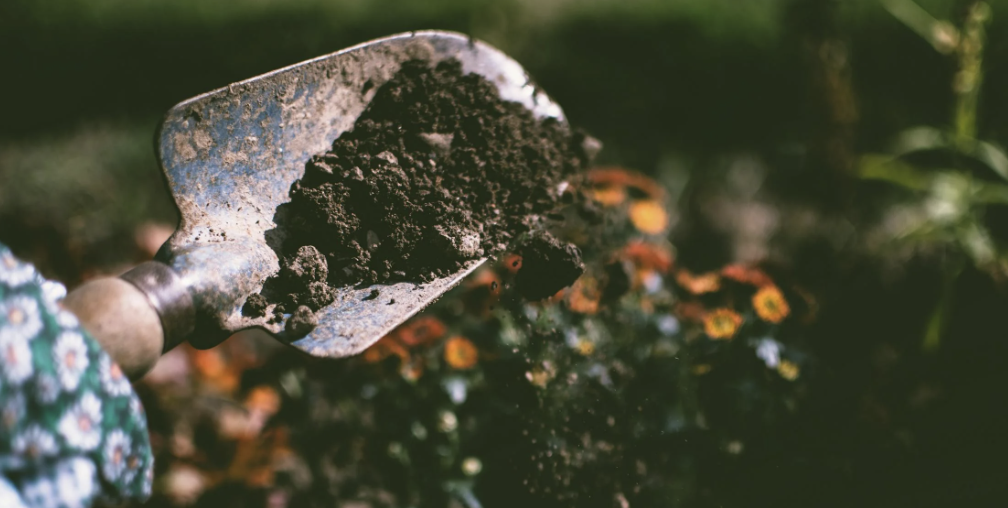
Garden soil is a blended soil made for growing plants. It often contains compost, organic matter, peat moss, and sometimes animal manure. Many mixes also include beneficial soil microbes that support plant growth.
Garden soil works best in flower beds, vegetable gardens, raised garden beds, and herb gardens. It improves existing soil by adding essential nutrients and better structure. Most compost-rich garden soil holds moisture well and supports strong root growth.
Because garden soil is designed for plants, it usually contains a loamy texture. This texture balances water retention and drainage. That balance helps prevent root rot in garden plants.
What Is Topsoil?
Topsoil comes from the uppermost layer of soil found on the earth’s surface. It forms through the natural breakdown of organic material over a long time. High-quality soil often contains dark organic material and fine particles.
It is commonly used for landscaping projects. These include filling low spots, levelling lawns, and starting grass seed. Many people also use this soil as a base layer in new garden beds.
This soil usually has fewer nutrients than garden soil. Its nutrient content depends on the source. Some of this soil may be sandy soil, while other types may contain clay soil.
Topsoil vs Garden Soil: Key Differences
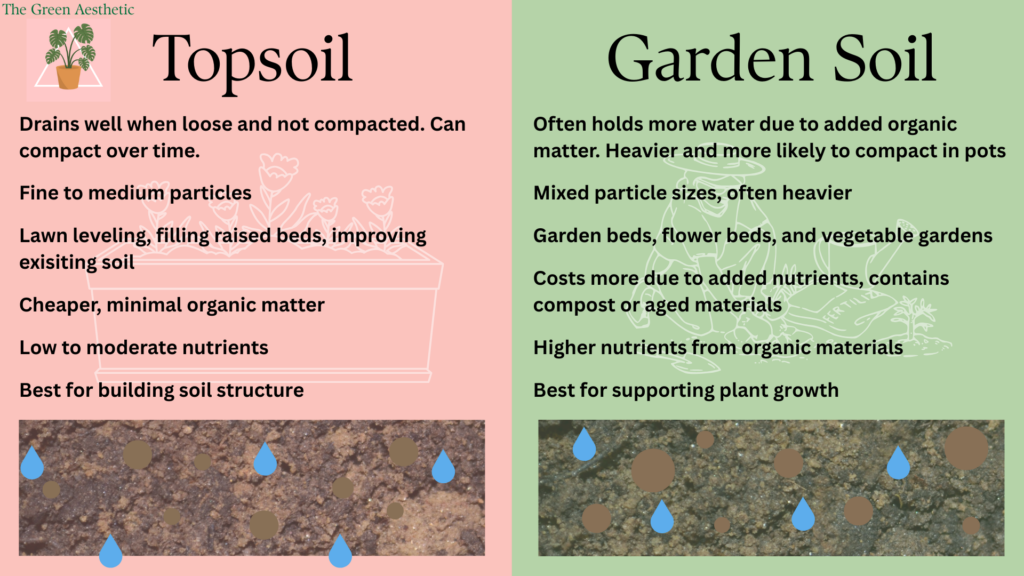
Topsoil and garden soil differ in texture, nutrient composition, and purpose. Garden soil is a tailored blend meant for growing plants. Topsoil works better as a foundation or filler material.
Garden soil contains more organic matter. That helps with moisture retention and nutrient availability. Topsoil often has larger particle size and fewer essential nutrients.
Garden soil supports plant roots and soil aeration. Topsoil improves soil structure and surface leveling. Each soil has distinct characteristics that make it useful for different applications.
Pros and Cons of Garden Soil
Garden soil provides many benefits for plant life. It improves soil quality and boosts plant health. Compost-rich garden soil supports beneficial microbes and essential elements.
It also helps regulate pH levels and improves water drainage. Garden soil works well for raised bed gardens and container gardens.
The downside involves cost. Garden soil often costs more per cubic yard. Some mixes may also contain weed seeds if poorly processed.
Pros and Cons of Topsoil
Topsoil offers a great base for landscaping. It fills low spots and supports grass seed growth. It also improves soil conditions in compacted areas.
However, this soil lacks enough nutrients for most garden plants. It often requires soil amendments to support plant growth. Poor drainage can also occur in heavy soil with clay content.
Uses for Garden Soil
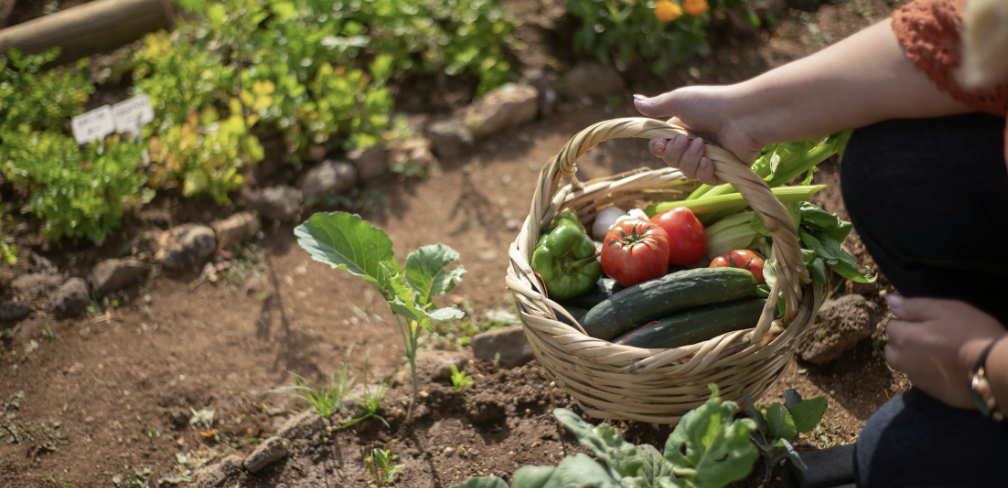
Garden soil works best where plants grow long term. Vegetable gardens benefit from its nutrient retention and moisture balance. Flower gardens thrive with compost-rich blends.
Garden soil also works well in raised garden beds. It creates an optimal environment for root growth and plant health. Many gardeners mix garden soil with existing soil to improve texture.
Uses for Topsoil
Topsoil works well for lawn repair and landscape grading. It helps fill uneven areas and smooth surfaces. Many gardeners use topsoil when starting new grass.
Topsoil also works as a lower layer in raised garden beds. It supports drainage while reducing cost. A blend of this soil and compost creates a better growing medium.
Benefits of Each Soil Type
Garden soil improves nutrient retention and soil quality. It supports healthy plant roots and steady growth during the growing season. Organic matter improves soil aeration and moisture retention.
Topsoil improves soil structure and water drainage. It creates a solid base for new garden beds and lawns. High-quality topsoil supports long-term soil improvement when amended.
Which One Should You Use?
The right choice depends on your project. Use garden soil when growing vegetables, flowers, or herbs. It provides the nutrients plants need to thrive.
Use topsoil for leveling, filling, or lawn projects. It works best as a foundation rather than a final planting mix. Many gardeners combine both soils for best results.
Useful Tips for Using Topsoil and Garden Soil
Always check soil quality before buying. Dark color and earthy smell signal healthy soil. Avoid soil with strong odors or debris.
Improve both soils with compost and natural fertilizers. Grass clippings, wood chips, and organic matter improve structure. Soil testing helps determine nutrient needs.
For raised garden beds, use garden soil on top. Add topsoil underneath to save money. This layered approach improves drainage and nutrient availability.
How to Improve Your Garden Soil
Healthy soil leads to garden success. Add compost regularly to boost nutrient content. Organic matter supports beneficial soil microbes.
Improve soil aeration by loosening compacted soil. Raised beds help avoid poor drainage and root rot. Choosing the right soil type creates stronger plants over time.
Frequently Asked Questions
Can I use topsoil as garden soil?
Topsoil can work with amendments. Mixing compost improves nutrient content and plant health.
Can I use garden soil alone?
Garden soil works well in beds and gardens. Avoid using it alone in containers.
Is it okay to use topsoil instead of potting soil?
Topsoil does not replace traditional potting soil. Containers need lighter soil mixes.
Topsoil vs garden soil for vegetables?
Garden soil works better for vegetable gardens due to higher nutrient levels.
Topsoil vs garden soil for grass seed?
Topsoil works best for grass seed and lawn repair.