
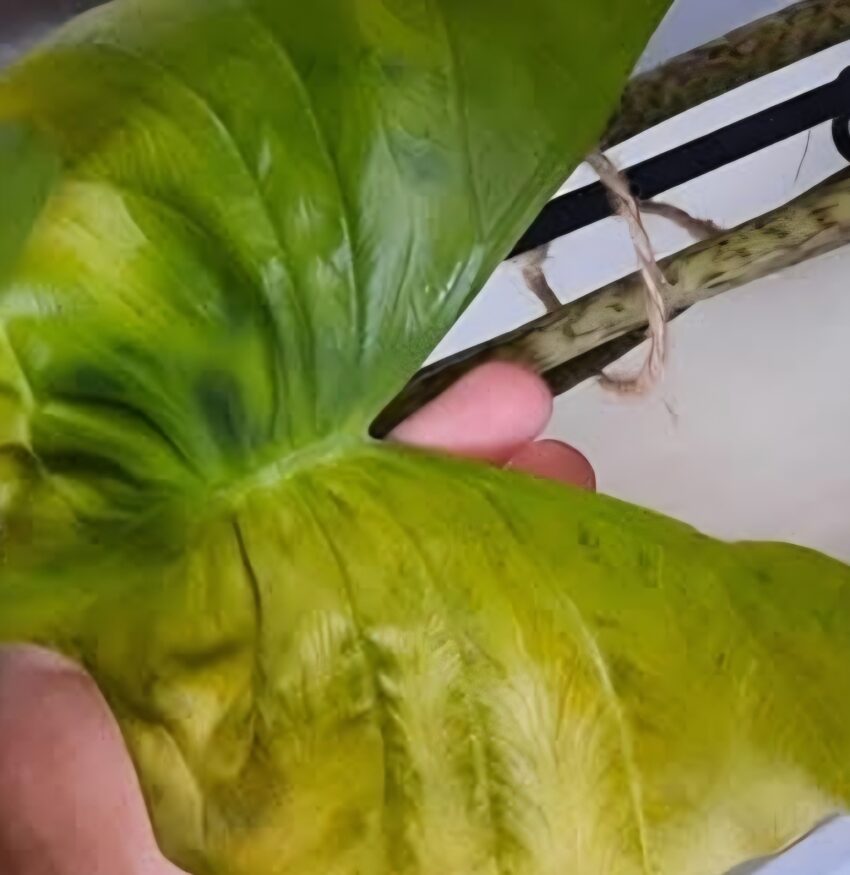
Yellow leaves often worry stingray plant owners.
They usually mean something is off with care. For the full guide, read my post Stingray Plant Care Guide: Everything You Need to Know. The good news is this problem is common and fixable. In most cases, yellow leaves are a sign of overwatering.
Stingray plants need water, but they also need air. When soil stays wet too long, roots struggle to breathe. This stress moves up the stingray plant and shows in the leaves.
Yellowing is one of the first warning signs.
Learning why leaves turn yellow helps you act quickly. It also helps prevent future problems.
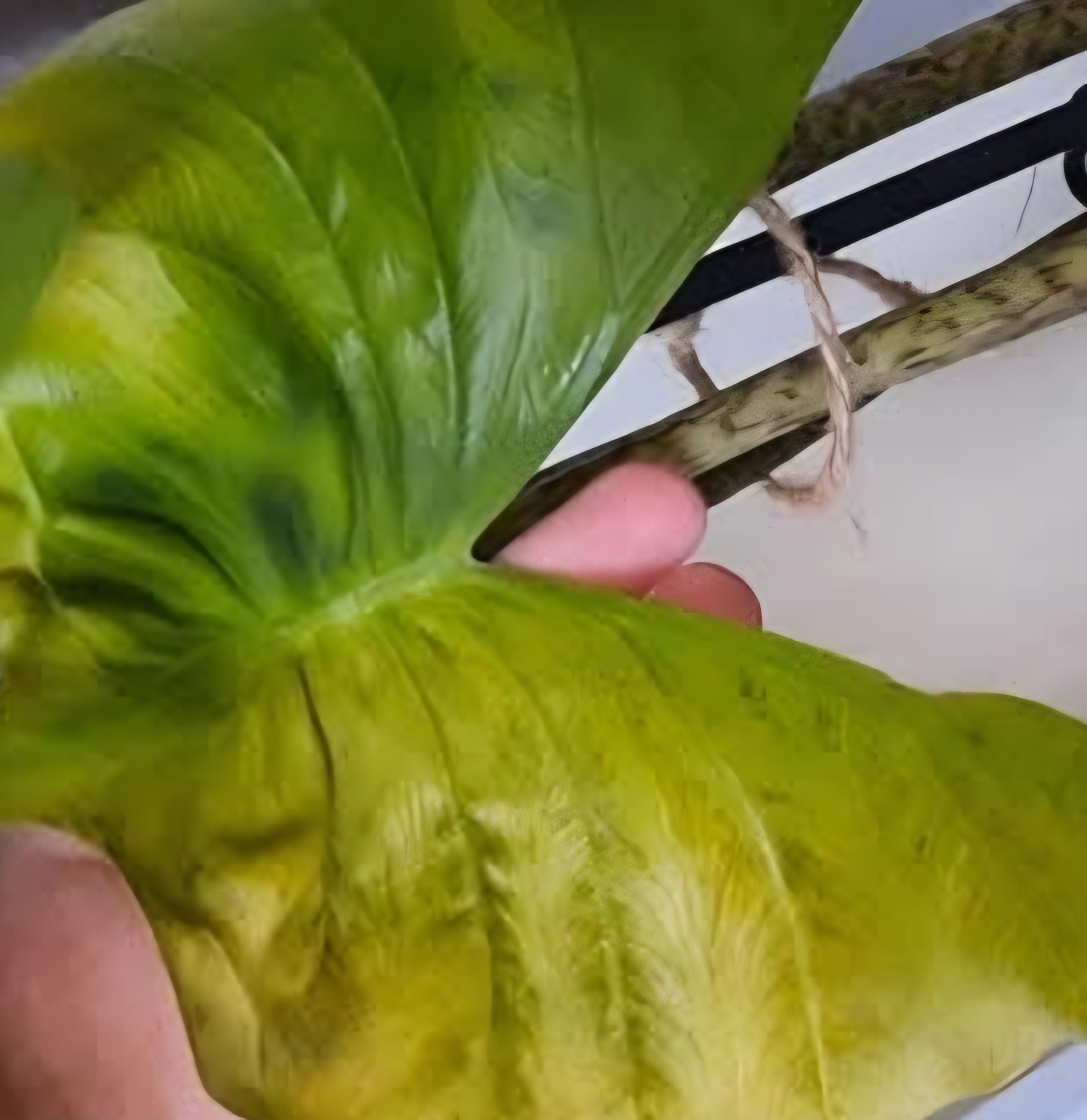
Overwatering Is the Most Common Cause
Overwatering happens when soil does not dry between waterings. Roots sit in water for too long and lose access to oxygen. Without oxygen, roots weaken and stop working well.
Weak roots cannot deliver nutrients to the stingray plant. When this happens, the plant pulls nutrients from its leaves. Those leaves then turn yellow.
This issue is common in heavy soil and pots without drainage. It also happens when stingray plants are watered on a schedule instead of by need.
What To Check After Repotting
If you recently repotted your stingray plant, this step matters. Repotting is the best time to check the roots. Healthy roots are firm and light in color.
Dark or mushy roots point to root rot. Root rot forms from excess water and poor airflow. If left untreated, it spreads quickly.
Always trim damaged roots during repotting. Use clean tools to avoid spreading disease. Fresh soil and airflow help the stingray plant recover.
The Importance of Soil and Drainage
Soil choice plays a major role in plant health. Dense soil holds too much water. This increases the risk of overwatering.
Use a light, airy soil mix instead. Good soil drains fast and dries evenly. This allows roots to breathe and grow strong.
Drainage holes are just as important. Water must be able to escape the pot. Without drainage, roots sit in standing water.
Why You Should Not Remove Yellow Leaves
It may feel right to pull yellow leaves off. This often causes more yellow leaves to appear. The stingray plant is still under stress.
Yellow leaves form because the stingray plant is saving energy. It pulls nutrients from older leaves to support new growth. Removing leaves too soon interrupts this process.
Let yellow leaves fall off naturally. Focus on fixing the cause instead. Once conditions improve, new healthy growth will follow.
How To Identify the Real Problem
Yellow leaves are a symptom, not the problem itself. Always look at watering habits first. Check soil moisture before watering again.
Also review light, airflow, and pot size. Stress from any of these can affect roots. Healthy roots support healthy leaves.
Plants recover best when changes are slow and steady. Avoid sudden care changes when possible.
Yellow Leaves With Blisters or Bumps
Sometimes yellow leaves look swollen or bumpy. This condition is called edema. It is linked to uneven watering.
Edema happens when a plant dries out too long. The next watering pushes excess water into the roots. That pressure damages leaf cells.
Water consistently to prevent this issue. Let soil dry slightly, but not completely. Balance is key for healthy growth.
Yellow leaves are your stingray plant’s way of communicating. They signal stress, not failure. With the right care, most plants recover well.
Focus on drainage, soil, and proper watering. Let leaves fall naturally. Give your stingray plant time to adjust.
Healthy roots lead to healthy leaves. When roots thrive, your stingray plant will too.