
The string of hearts plant is one of the most loved trailing plants today. It is soft, delicate, and full of charm. Many people fall in love at first sight. Still, keeping it healthy can feel confusing at first.
The good news is with the right care, this plant is very forgiving. It handles short periods of neglect well. In this guide, I will walk you through string of hearts plant care step by step. Everything is explained in simple terms.
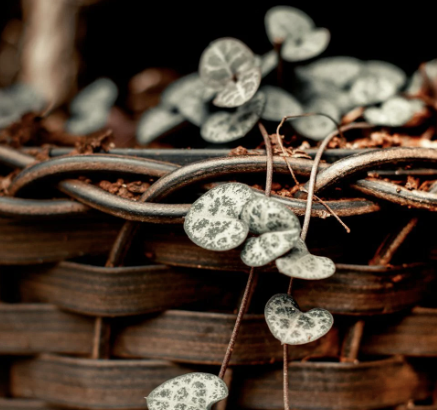
Introduction to String of Hearts
The string of hearts plant is also known as Ceropegia woodii. Its common names include chain of hearts, rosary vine, sweetheart vine, and collar of hearts. All names describe the same trailing plant with green heart-shaped leaves.
It is a popular indoor plant because it looks beautiful and takes up little space. It fits well in any living space.
Background: Where String of Hearts Comes From
This plant come from southern Africa, including parts of South Africa. They grow in warm Mediterranean climates with bright light and dry soil.
In nature, they spread as a sprawling ground cover across rocky areas. This explains their trailing growth habit and drought tolerance. They are also considered a succulent plant and a caudiciform plant due to their small tubers.
Knowing this background helps you give the right conditions at home.
Types of String of Hearts Plants
There are several types of string of hearts plants. The most common is the classic green form. It has dark green leaves with silver markings.
Another popular type is the variegated string of heart. It often has pink, cream, and green tones. The pink variation is especially popular with plant enthusiasts.
All types share the same basic care needs.
Light Requirements
Light is very important for healthy growth. String of hearts plants love bright indirect light. They need enough light to keep leaves full and colorful.
A south-facing window works well if light is filtered. Too much direct sun can scorch leaves. Too little light causes leaf drop and long, weak stems.
A grow light can help in darker homes or winter months. The right amount of light leads to bushier growth.
Watering the Right Way
String of hearts plants do not like much water. Their roots store moisture. This helps them survive dry periods.
Always let the soil dry out fully before watering again. Soggy soil leads to root rot. Excess water is one of the most common problems.
Water less during winter months. Water more during summer months when growth is active.
Temperature Needs
These plants enjoy warm temperatures. Room temperature works well. They prefer warmth similar to warm Mediterranean climates.
Avoid extreme temperatures and cold drafts. Sudden drops can cause stress and leaf drop.
Humidity Preferences
String of hearts plants prefer average home humidity. They do not need high moisture levels.
Good air circulation helps prevent pests and diseases. Avoid misting too often, as too much moisture can harm the plant.
Fertilizing String of Hearts
Feed lightly during the growing season. Use a diluted water-soluble fertilizer once a month.
Too much fertilizer causes nutrient deficiencies or weak growth. Less is always better with this plant.
Best Soil for String of Hearts
Well-draining soil is essential. A succulent mix works very well. You can also mix potting soil with coco coir and perlite.
Excellent drainage protects the root system. Always use pots with drainage holes.
Repotting String of Hearts Plants
String of hearts plants do not need frequent repotting. They enjoy being slightly snug in their pot.
Repot only when roots fill the pot. Choose a new pot just one size bigger. Too large a pot holds too much moisture.
Spring is the best time to repot for best results.
Pruning and Shaping
Pruning helps control length and shape. A little haircut also encourages new growth.
Use sharp scissors to trim long vines. Always cut above a leaf node. Healthy stems grow back quickly.
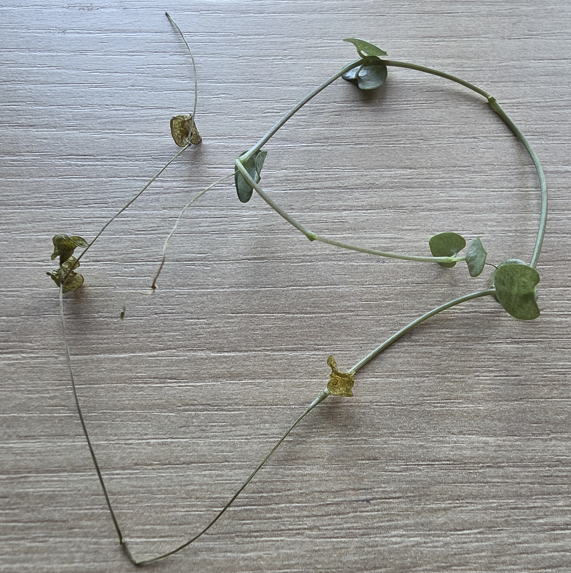
It’s a good idea to cut off dead strands on your string of hearts. Dead vines will not recover and can make the plant look untidy. They may also take energy away from new growth.
Use clean scissors and cut the strand back to the base of the plant or just above a healthy leaf node. This helps keep your plant looking full and encourages fresh, healthy vines.
Propagation Made Easy
Propagation is one of the best parts of string of hearts care. It is simple and fun.
You can use stem cuttings placed in water or soil. You can also pin vines into the top of the soil. This allows aerial tubers to form new roots.
This method is a good idea for making new plants and fuller pots.
Seasonal Care Tips
During the growing season, provide bright light and regular watering. During winter months, reduce watering and stop fertilizing.
The plant rests during cooler months. This is normal and healthy.
How to Encourage Blooming
String of hearts plants can bloom. They produce small tubular flowers. The flowers are subtle but unique.
Bright light and proper care increase bloom chances. Mature plants bloom more often than young ones.
How to Make String of Hearts Look Fuller
Full plants come from smart pruning and pinning. Pin long vines back into the soil surface. This encourages new roots and bushier growth.
Good light and enough space also help. Patience matters here.
Benefits of String of Hearts Plants
This plant adds beauty without stress. It handles periods of neglect well, and fits into small homes and apartments easily.
Common Problems and Troubleshooting
Leaf drop often means too little light or excess water. Yellow leaves usually point to soggy soil.
Dry, crispy leaves suggest too much direct sun. Adjust lighting conditions slowly.
Pests to Watch For
Spider mites are the most common pests. Look for webbing and dull leaves.
Insecticidal soap works well when caught early. Good air circulation helps prevent infestations.
Diseases and Root Issues
Root rot is the main disease risk. It comes from poor drainage and excess water.
Always use well-draining soil and pots with drainage holes.
Is String of Hearts Pet Friendly?
String of hearts plants are considered mildly toxic to cats and dogs. Keep them out of reach if pets like to chew plants.
Other Related Types
Related plants include monstera adansonii and other vining house plants. While care differs, light and drainage needs often overlap.

FAQ: String of Hearts Plant Care
How do you take care of a String of Hearts plant?
Provide bright indirect light, dry soil between watering, and well-draining soil.
Where is the best place to put a String of Hearts?
Place it near a bright window with filtered light.
Is String of Hearts hard to keep alive?
No. It is easy with basic knowledge and simple care.
Do strings of hearts like to climb or hang?
They prefer to hang, but they can trail or climb with support.
Is string of hearts plant toxic to cats?
Yes, it is mildly toxic. Keep it out of reach.
What are string of hearts plant benefits?
It is low care, space saving, and beautiful.
What is a pink string of hearts plant?
It is a variegated type with pink and cream leaves.
How do you propagate string of hearts plant?
Use stem cuttings or pin vines into soil to grow new roots.
String of hearts plants are gentle and rewarding. They grow with patience, not force. When given the right conditions, they thrive beautifully.
Care for it simply. Watch it closely. Enjoy the process.
That is the best way to grow a happy plant.