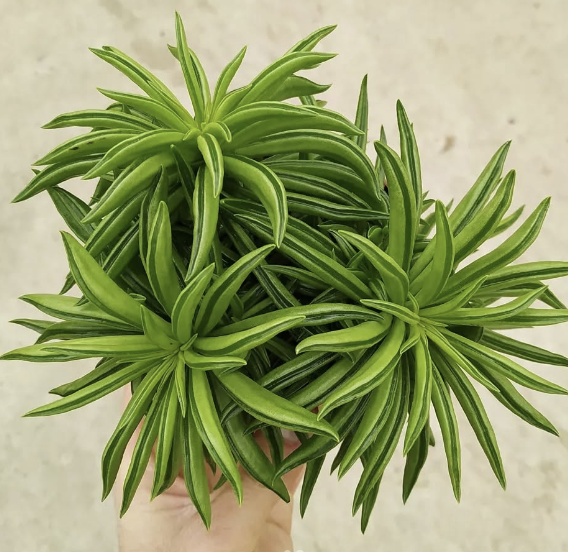
If you’re looking to add a unique, easy-care, wonderful houseplant to your indoor plants collection, the Happy Bean Plant, or Peperomia ferreyrae, is a wonderful choice.
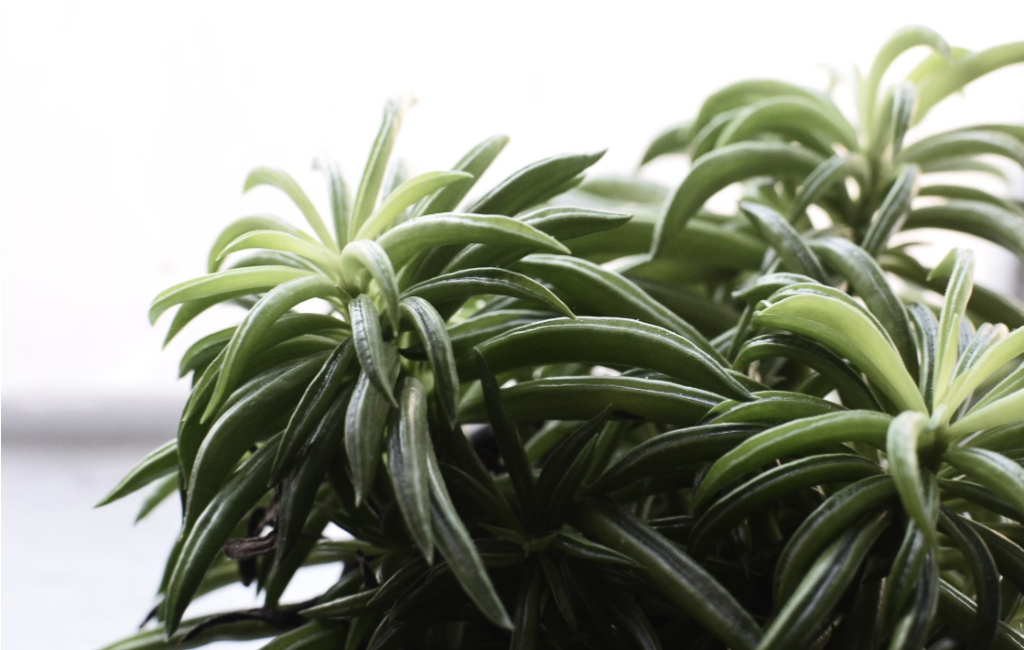
These bean-like leaves resemble small green beans, which gives it a playful look that many people find uplifting and decorative in their indoor spaces.
Originating from the lush rainforests of South America, the Happy Bean is a semi-succulent plant, meaning it’s built to thrive with minimal fuss.
Here you’ll find everything you need to know about Happy Bean plant care to keep your green bean peperomia looking fresh and healthy!
If you love this Genus, check out my care guides on other Peperomia species.
Background
The Happy Bean Plant is a popular Peperomia with unusual, bean-like leaves. Its botanical name is Peperomia ferreyrae. You may also see it called Green Bean Peperomia, Peperomia Green Bean, or Happy Bean Peperomia.
Despite its name, it is not related to green beans. The name comes from its long, curved leaves, which look a little like small green beans.
Peperomia ferreyrae comes from the rainforests of South America. It grows in warm conditions and can cope with periods of lower moisture.
This plant is a semi-succulent, so its thick leaves can store some water. That makes it more forgiving than many tropical houseplants.
Beginner Information
Happy Bean is a wonderful houseplant for beginners. It does not need much water, and it can adapt to a range of light conditions.
The main thing to remember is not to overwater it. Its thick leaves hold moisture, so constantly wet soil can cause root rot.
Place it somewhere with bright, indirect light. Then allow the soil to dry slightly between waterings.
Use well-draining soil and a pot with drainage holes. These simple steps can prevent many common problems.
If you are new to Peperomia, Happy Bean is a great plant to start with.
Size of the Happy Bean Plant
Happy Bean plants tend to stay small, usually reaching an ultimate height of about 10-12 inches.
With its compact, bushy growth habit, this peperomia is a good choice for a decorative pot or as a tabletop houseplant.
Its compact size also makes it a great choice for smaller rooms. If you are short on space, see my guide to the best indoor small plants for small spaces for more ideas.
Is Happy Bean an Indoor or Outdoor Plant?
Happy Bean is most often grown as an indoor plant.
It can grow outdoors in warm climates, but it does not tolerate cold temperatures well. In the UK, it is best treated as a houseplant for most of the year.
During summer, you can move it outside if temperatures remain warm. Choose a sheltered position with bright, indirect light.
Bring it indoors before cold weather arrives.
Is Happy Bean Care Similar to Any More Common Plants?
Happy Bean has some care needs that are similar to succulents.
Its thick leaves store water, so it does not need frequent watering. However, it still prefers more humidity than many true desert succulents.
Its care is also similar to other Peperomia plants. Bright, indirect light, well-draining soil, and careful watering are the main things to remember.
If you already grow a Baby Rubber Plant or another Peperomia, the care routine should feel familiar.
Care of the Happy Bean Plant
Light
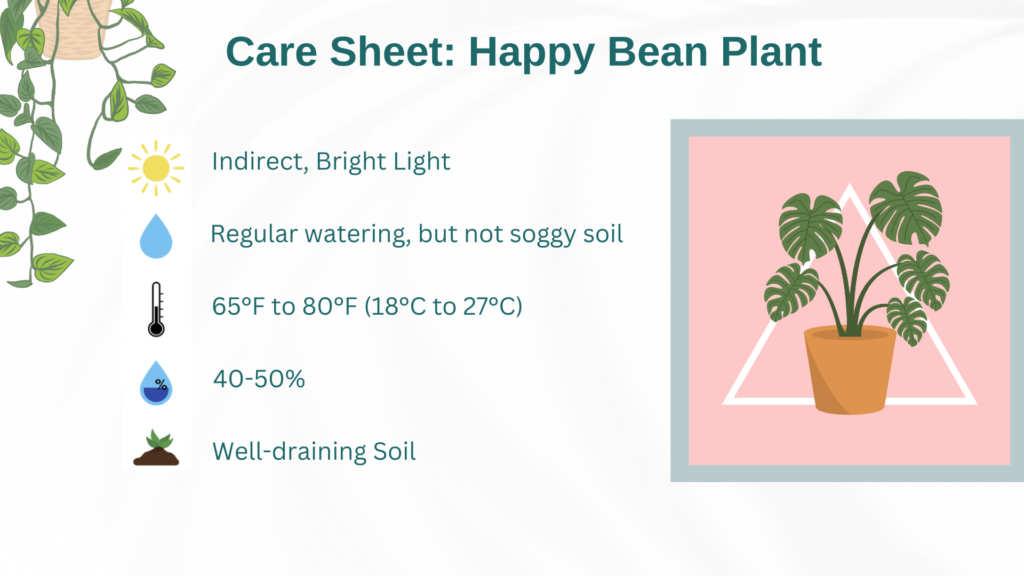
Happy Bean plants love indirect, bright light, so not too much sun for this one.
They can tolerate some direct sunlight but are best kept out of harsh, direct sun as it can burn the bean-like leaves. If you have a south-facing window or a bright east-facing window, your Happy Bean will thrive.
Lower light conditions are okay too, but you might notice slower growth and less vibrant color. Using fluorescent lights or LED grow lights can also help keep your plant happy if natural light is limited.
Water
Happy Bean plants prefer a regular watering routine but hate sitting in soggy soil. I recommend watering when the top inch of soil feels dry. Be cautious not to give them too much water, as this can lead to root rot.
During the summer growing season, they may need a little more frequent watering, but cut back in the winter months when the plant naturally requires less moisture.
Temperature
The Happy Bean enjoys warm temperatures similar to those of its native rainforest environment, so try to keep it between 65-80°F (18-27°C).
Avoid placing it near drafty windows or air vents, as cooler temperatures below 50°F can stress the plant. Normal household conditions work well for Happy Beans, making them a great plant for indoor growing.
Humidity
Being a tropical plant, the Happy Bean appreciates extra humidity.
While it can tolerate typical household humidity levels, adding a small humidifier or placing it near a tray of pebbles with water can give it a boost.
High humidity helps maintain healthy growth, especially during dry winter months. Aim for 40-50%.
Soil
For the best results, plant your Happy Bean in well-draining soil.
A potting mix designed for succulents or epiphytic plants works well, as it allows for good drainage and doesn’t hold excess water. Additions like perlite or cactus soil help keep the mix light and airy.
A good potting mix will also prevent water from pooling around the roots, which is crucial for avoiding root rot.
Fertilizer
Happy Bean plants are light feeders, so they don’t require a ton of fertilizing.
During the growing season in early spring and summer, feed your plant with a diluted liquid fertilizer every 4-6 weeks. Choose a balanced formula to promote healthy new foliage and lush growth.
Avoid over-fertilizing, as too much can damage the plant.
Potting
Happy Beans have a shallow root system, so they don’t need to be repotted often.
However, upgrade to a large pot when they outgrow their current one. Make sure it has drainage holes to allow excess water to escape.
Terracotta pots work well because they help wick away moisture, preventing overwatering issues.
Pruning
Pruning isn’t essential for Happy Beans since they maintain a compact shape, but occasional trimming can encourage a fuller appearance.
If you notice dead leaves or stems, go ahead and remove them to keep the plant looking neat. Pruning is best done in the late spring or early summer when the plant is actively growing.
Propagation for the Happy Bean Plant
The Happy Bean can be easily propagated through stem cuttings.
Take a healthy cutting with a few leaves, let it dry for a day, and then place it in moist good soil or even directly into water until new roots develop.
This is a fun and easy way to get a new plant and share the Happy Bean with friends!
Seasonal Care
Happy Bean’s needs can change slightly throughout the year.
Spring
Early spring is when your plant may start producing new growth.
Move it into brighter indirect light if needed. You can also begin feeding again with a weak liquid fertilizer.
Do not suddenly give it much fertilizer. Start slowly as the growing season begins.
Summer
Summer is usually the main growing season.
Give your Happy Bean plenty of bright, indirect light. Water when the soil has dried slightly.
Warm temperatures can also increase the plant’s water needs. However, always check the soil before watering.
If your home becomes very dry, extra humidity can help.
A pebble tray can increase humidity around the plant. However, normal household conditions are often enough.
Autumn
Growth will usually slow as the days become shorter.
Reduce feeding as autumn progresses. You may also find that the soil stays wet for longer.
Check the soil moisture before watering.
Do not continue watering as often simply because you followed a summer routine.
Winter
Happy Bean does not need a cold winter dormancy period.
Instead, keep it somewhere warm and bright.
Lower light conditions can slow growth and may cause the plant to become leggy.
Keep it away from cold windows and drafts. Also avoid placing it directly beside a radiator.
Radiator heat can create very dry conditions and stress the leaves.
Happy Bean Plant Benefits
The biggest benefit of Happy Bean is its appearance.
Its unusual green leaves make it a great plant for shelves, desks, windowsills, and small spaces.
It is also a relatively compact houseplant. This makes it useful if you want more greenery without taking up much room.
It can also be a good choice for beginners because it does not need much water.
Most importantly, it adds something different to a collection of indoor plants.
Is Happy Bean Plant Pet Friendly?
Yes. Peperomia ferreyrae is generally considered non-toxic to cats and dogs.
However, pets can still become unwell after eating large amounts of plant material.
It is therefore best to keep your plant somewhere pets cannot chew it.
Also remember that not every plant with a similar common name has the same safety profile.
Check the botanical name before buying if pet safety is important to you.
Pests that affect Happy Bean Plant
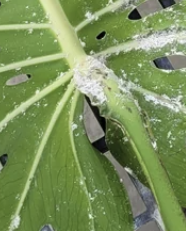
Although the Happy Bean is generally pest-resistant, keep an eye out for common indoor pests like spider mites and mealybugs.
If you spot any, treat the plant with neem oil or rubbing alcohol to prevent the pests from spreading. Regularly wiping down the leaves with a damp cloth can also help keep pests at bay.
Diseases that affect Happy Bean Plant
Root rot is the most common disease affecting the Happy Bean and is almost always due to overwatering.
To avoid this, make sure the plant is in well-drained soil and a pot with drainage holes. Also, extra humidity and good air circulation help prevent fungal diseases.
Common Issues that affect Happy Bean Plant
Here are a few typical problems you might encounter:
Yellow leaves: Usually a sign of too much water or poor drainage. Check the soil moisture and adjust your watering routine.
Drooping or wilting: Your Happy Bean may not be getting enough water, or it might be too hot or too cold.
Pale or faded color: This can happen if the plant isn’t receiving enough light. Move it closer to a bright indirect light source, and you’ll likely see improvement.
The Happy Bean, with its cheerful, unique shape and low-maintenance care, is a perfect addition to any plant collection. With the right amount of light, water, and humidity, your Happy Bean will thrive and bring a lush, green touch to your space. Happy planting!
Like unusual houseplants? Read my care guide blog post on the Monkey Cup Plant.
Should You Get a Happy Bean Plant?
Happy Bean is a great choice if you want an unusual but easy houseplant.
Its bean-like leaves make it stand out from more common Peperomia plants. It also stays fairly compact and does not need much water.
It is especially useful for people who sometimes forget to water their plants.
Just remember that low water needs do not mean no water.
Give it bright, indirect light, good soil, and careful watering. With those basics in place, Happy Bean can be a wonderful houseplant for years.
Frequently Asked Questions
How big does a Happy Bean Plant get?
Happy Bean is a relatively compact plant.
Its ultimate height is usually around 8 to 12 inches indoors, although this can vary.
With good light and regular care, it can become bushier rather than simply growing taller.
Pruning can also help maintain a compact shape.
Is Happy Bean Plant indoor or outdoor?
Happy Bean is mainly an indoor plant.
It can grow outdoors in warm climates, but it does not handle cold temperatures well.
In the UK, keep it indoors for most of the year.
You can move it outside during warm summer weather if you choose a sheltered spot with indirect sunlight.
Do Happy Bean Plants come back every year?
Yes. Happy Bean is a perennial plant when grown in suitable conditions.
It does not need to die after one growing season.
Keep it warm during winter and protect it from cold temperatures.
With good care, it can continue producing new growth each year.
Does a Happy Bean Plant flower?
Yes, Happy Bean can flower.
However, its flowers are not the main attraction.
Like many Peperomia plants, it can produce thin flower spikes that are quite subtle.
The plant’s unusual leaves are usually much more noticeable.
If your Happy Bean does not flower, there is no need to worry.
Flowering depends on factors such as light, age, and growing conditions.
Is a Happy Bean Plant easy to care for?
Yes. Happy Bean is generally considered an easy houseplant.
It needs bright, indirect light and well-draining soil.
It also prefers to dry slightly between waterings.
The biggest problem is usually overwatering.
Too much moisture around the roots can cause root rot.
If you avoid constantly wet soil, the plant is quite forgiving.
How do I prune my Happy Bean Plant?
Pruning Happy Bean is simple.
Use clean scissors to remove long, weak, or damaged stems.
If the plant has become leggy, cut the stems just above a healthy leaf joint.
This can encourage new growth and create a fuller shape.
You can also use healthy cuttings for happy bean plant propagation.
Avoid removing too much growth at once.
A light prune is usually enough to maintain a compact plant.
What is the average lifespan of a Happy Bean Plant?
There is no exact lifespan for a Happy Bean Plant.
With good care, it can live for several years indoors.
The condition of the plant, light, watering, soil, and environmental factors can all affect its lifespan.
A healthy plant should continue producing new growth over time.
If your plant starts looking like a sad-looking houseplant, check its basic care before replacing it.
How long does it take for a Happy Bean Plant to fully grow?
Happy Bean is not a fast-growing plant.
It can take several years to reach its full size indoors.
Growth is usually faster during spring and summer.
Good light can help it grow more effectively.
However, avoid giving it much fertilizer in an attempt to speed things up.
Too much fertilizer can damage the roots and cause other problems.
Do Happy Bean Plants like full sun or shade?
Happy Bean prefers bright, indirect light.
It can tolerate some gentle morning sun, but strong full sun can scorch its leaves.
Very low light can also cause problems.
The plant may become leggy as it stretches toward a light source.
Aim for a bright spot with plenty of indirect sunlight.
If your home has lower light conditions, fluorescent lights or a suitable grow light can help.
Why does my Happy Bean Plant have yellow leaves?
Happy Bean Plant yellow leaves are often linked to overwatering.
Check the soil before watering again.
If it stays wet for a long time, the roots may not be getting enough oxygen.
This can eventually lead to root rot.
Yellow leaves can also appear because of low light, natural aging, or other environmental factors.
Look at the whole plant rather than focusing on one yellow leaf.
If only an older lower leaf is yellow, it may simply be reaching the end of its life.
Why does my Happy Bean Plant have dropping leaves?
Happy Bean Plant dropping leaves can have several causes.
Overwatering is one of the most common.
Cold temperatures, sudden weather changes, low light, or root problems can also cause leaf drop.
Start by checking the soil.
If it is very wet, allow it to dry slightly before watering again.
Then check that the plant receives the right amount of light.
Keep it away from cold drafts and sudden temperature changes.
How often should I water a Happy Bean Plant?
Happy Bean Plant care watering is quite simple.
Water when the top part of the soil has dried out.
Then give the plant a good soak and allow excess water to drain away.
Do not leave the pot sitting in water.
Your plant stores some water in its thick leaves, so it does not need constant moisture.
The exact watering frequency depends on light, temperature, pot size, and time of year.
Why is my Happy Bean Plant leggy?
A leggy Happy Bean usually needs more light.
The plant stretches toward a light source when it does not receive enough light.
Move it closer to a bright window with indirect light.
You can also prune the longest stems to encourage a fuller shape.
Avoid moving it straight into strong full sun.
Gradually increase its light if it has been growing in a darker spot.
How do I take care of a Happy Bean Plant?
To take care of Happy Bean, focus on four simple things.
Give it bright, indirect light. Use well-draining soil and a pot with drainage holes.
Water when the soil has started to dry, rather than keeping it constantly wet.
Finally, keep the plant warm and protect it from sudden changes in temperature.
These simple happy plant care instructions will help prevent most common problems.