
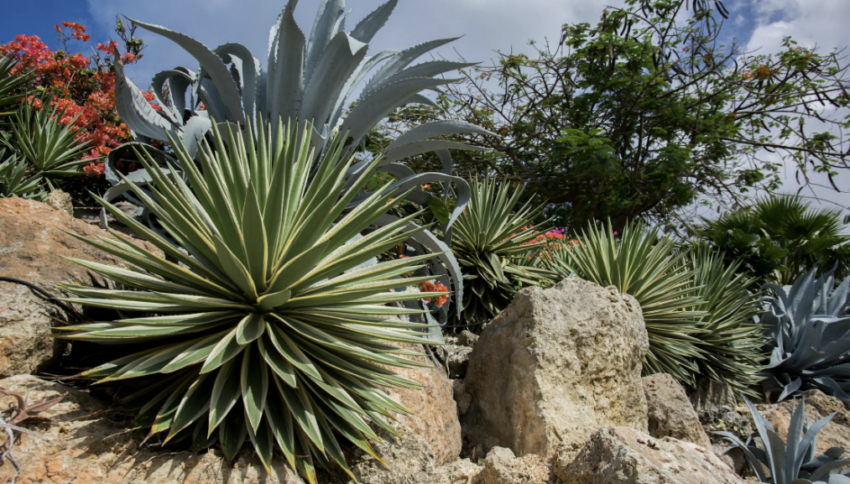
Succulent plants are loved all over the world. They are easy to grow, have a unique appearance, and need minimal care. Many plant lovers keep them as indoor succulents or use them as landscaping plants in rock gardens.
But have you ever wondered where succulents grow in nature?
Understanding their natural habitat helps you grow stronger, healthier plants. It also helps you place them in the right spot at home.
So let’s explore where succulent plants come from, the climates they love, and how this knowledge can improve your plant care.
Where Succulents Grow in Nature
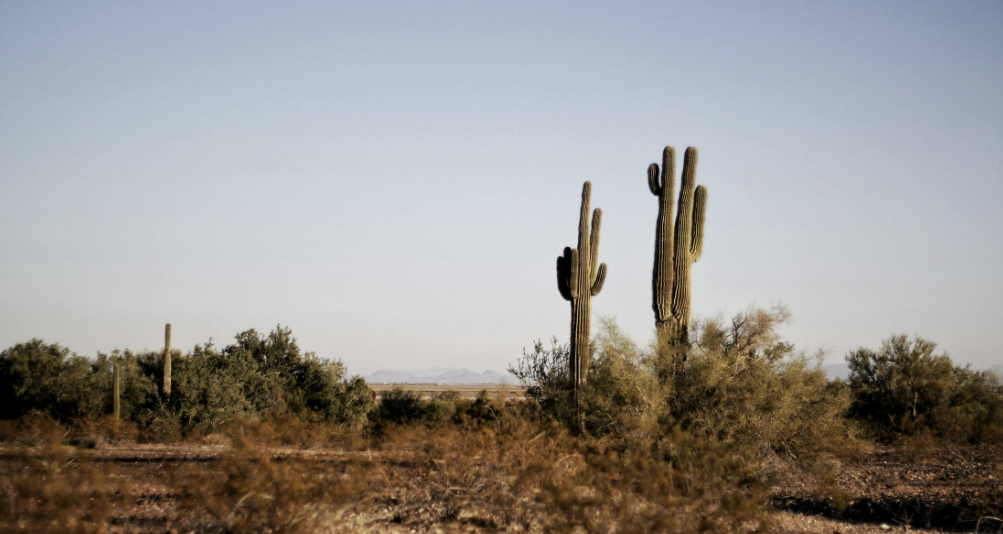
Most succulent plant species grow in dry regions of the world. These places often have arid climates, sandy soil, and long dry periods.
Because of this, succulents evolved special features. Their fleshy leaves and fleshy stems store water. This helps them survive with little water.
You will find native succulents in many parts of the world, including:
- South Africa
- North America
- South America
- Central America
These regions often have warm temperatures and dry conditions. Because of this, succulents became some of the most drought tolerant plants on Earth.
A Famous Succulent Region: The Succulent Karoo
One of the most famous succulent habitats is the Succulent Karoo in South Africa.
This area has poor soil and very little rainfall. However, it supports thousands of succulent varieties.
Many plants here bloom in early spring or late summer. When this happens, the desert becomes full of tiny flowers and bright colours.
Because of this, the region is considered one of the richest plant habitats on Earth.
Succulents in North America
Many native succulents grow in the deserts of North America. One famous example is the Sonoran Desert.
This desert stretches across the United States and Mexico. It is home to many desert plants with incredible drought tolerance.
Some well-known succulents from this region include:
- Aloe vera
- Opuntia ficus-indica (prickly pear cactus)
- Yucca filamentosa
Many of these plants produce red fruit and grow strong green stems. Native Americans also used some of these plants for medicinal purposes and food.
Succulents in Coastal and Dry Regions
Succulents also grow in coastal areas and dry hills. For example, the region around San Diego and Southern California has many outdoor succulents.
These areas have warm temperatures and lots of sunshine. They also have sandy soil and natural drainage.
You will often see succulents growing in rock gardens, stone walls, and dry landscapes. Gardeners use them as accent plants or focal points because of their bold shapes.
A great example is Carpobrotus edulis, also called ice plant.
Succulents in Tropical Climates
Not all succulents grow in deserts. This is a common misconception.
Some succulent plant species grow in tropical climates with more humidity.
For example, Schlumbergera grows in forests in South America.
These plants grow under trees in light shade or partial shade. Instead of full sun, they prefer filtered light and slightly moist soil.
Because of this, they grow well as indoor succulents.
Why Succulent Habitats Matter for Plant Care
Learning where succulents grow naturally can improve how you care for them.
For example, many succulents come from arid environments. Because of this, they prefer:
- Well-drained soil
- Good drainage holes in pots
- Lots of direct sunlight
- Very little water
Too much water can cause root rot. Succulent leaves store water, so they do not need much water.
This is one reason they are considered tolerant plants.
How to Position Succulents in Your Home
Understanding natural habitats also helps with room positioning.
If your plant comes from desert climates, place it in a bright window with direct sunlight. These plants love full sun.
If your plant comes from tropical forests, place it in light shade or partial shade. These plants prefer softer light.
For example:
- Desert succulents grow best near sunny windows.
- Forest succulents prefer gentle morning light.
This small change can make a big difference.
Succulents for Different Climates
Different succulent varieties grow best in different climates.
Warm and Dry Climates
Places like Baja California Sur and La Paz have dry air and warm temperatures.
These areas are perfect for outdoor succulents. Large agaves, aloe plants, and prickly pear cactus grow well here.
Mild Coastal Climates
Areas like San Diego are great for landscaping plants such as ice plant and yucca.
These hardy plants handle dry conditions and salty air.
Cooler or Humid Climates
In humid climates, choose tough succulents that tolerate moisture. Christmas cactus and some shade-loving varieties grow better indoors.
Fun Facts About Succulents
Succulents are full of surprises.
Their fleshy leaves store water during dry periods. This helps prevent water loss.
Many succulents bloom in early summer or late spring. Some produce bright tiny flowers or colourful fruit.
Others grow unusual shapes like Echeveria runyonii ‘Topsy Turvy’, often called topsy turvy.
Because of their beauty, many collectors join groups like the Succulent Society of America to learn more about these exotic plants.
Growing Succulents at Home
Succulents are popular because they are hardy plants. They grow well with minimal care.
Still, the right conditions matter.
Use well-drained soil and containers with drainage holes. Avoid much water and allow soil to dry between watering.
Give young plants bright light but protect them from extreme heat during early summer.
With time, mature plants develop stronger roots and thicker succulent leaves.
FAQ
Where do succulents occur naturally?
Succulents occur naturally in dry regions around the world. Many grow in deserts, rocky hills, and arid climates.
Some also grow in tropical forests with partial shade.
Do succulents help with humidity?
Succulents do not add much humidity to a room. Unlike large leafy plants, they release very little moisture into the air.
Where are succulents originally from?
Succulent plants come from many regions, including South Africa, North America, and South America.
Each region has different succulent plant species.
What is the natural habitat of succulents?
Most succulents grow in arid environments with sandy soil, full sun, and little rainfall. These habitats often have long dry periods.
Can you find succulents in the wild?
Yes, many native succulents grow in the wild. They are common in deserts, rocky landscapes, and dry coastal areas.
What is the lifespan of a succulent?
Many succulents live for years. Some small plants live 5 to 10 years, while larger succulents can live for decades with the right care.
Succulent plants may look delicate, but they are some of the toughest plants on Earth. When you understand their natural habitat, it becomes much easier to help them thrive at home.