
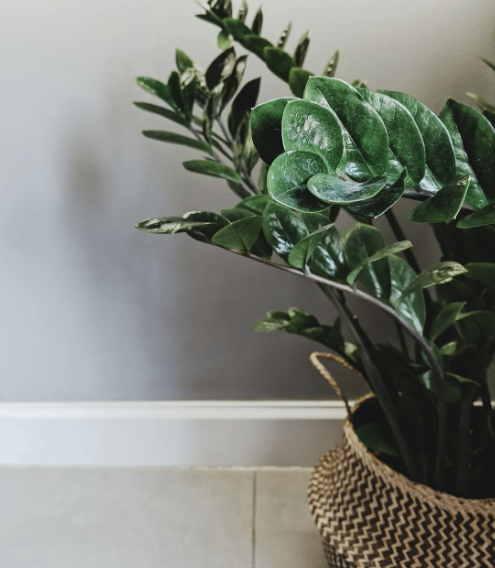
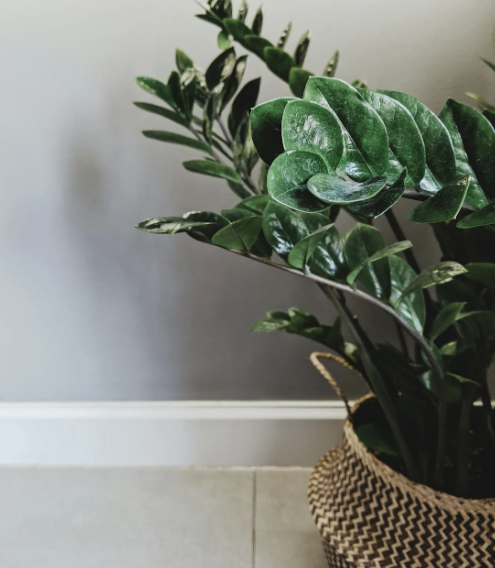
The ZZ plant, also known as Zamioculcas zamiifolia, is one of the toughest house plants you can grow. Native to tropical regions of Africa, including eastern Africa and parts of South Africa, this low-maintenance, large houseplant is built to handle drought conditions, low light conditions, and irregular care.
With its glossy leaves, dark green leaves, and upright stems, the ZZ plant has become a popular houseplant in homes and workplaces across the United States and beyond.
But if you want faster growth, thicker stems, and healthy new leaves, the right fertilizer can make a real difference. This guide will show you how to feed your ZZ plant the right way, without overdoing it.
Do ZZ Plants Even Need Fertilizer?
ZZ plants are slow growers with low water requirements and low nutrient needs. They store water and energy in underground rhizomes, which helps them survive long periods without feeding.
Because of this, fertilizer is not essential for survival. However, during the growing season, a little boost can support healthy growth, stronger root systems, and more vibrant zz plant leaves.
Think of fertilizer as a helpful extra, not a must-have.
Signs Your ZZ Plant Is Actively Growing
The best time to fertilize is during active growth, which usually happens in early spring through the summer months and into early fall. During this time, you may notice new growth in the form of a new stalk or fresh, bright green leaves emerging from the soil line.
New leaves often start lighter in color before turning into the plant’s signature dark green leaves. Growth may be slow, but it is steady under the right conditions.
In lower light conditions or during the winter months, growth often slows or stops completely.
Can ZZ Plants Survive Without Fertilizer?
Yes, ZZ plants can survive for years without fertilizer. They are one of the most resilient indoor plants available and are considered easy-care plants for a reason.
However, without nutrients, slow growth becomes even slower. You may see fewer new leaves and less overall fullness. Occasional feeding during the growing season helps maintain a healthier plant and encourages thicker growth.
Signs Your ZZ Plant Needs Fertilizer
A ZZ plant that needs nutrients may show very slow growth during the growing season. New leaves may be smaller than usual, and the plant may not produce a new stalk for long periods.
Yellow leaves or yellow spots can sometimes appear, but always check for other issues first. Overwatering, poor drainage, or root rot are more common causes of stress than lack of nutrients.
Best Fertilizer for ZZ Plant
The best fertilizer for ZZ plant is a balanced, gentle formula. A balanced N-P-K ratio such as 10-10-10 or 1-1-1 works well. Because this is a slow-growing plant, it does not need much fertilizer to stay healthy.
A liquid fertilizer diluted to half strength is usually the easiest and safest option. This allows nutrients to spread evenly through the potting medium without overwhelming the plant’s roots.
Succulent plant fertilizer or general indoor plant fertilizer can also work well.
NPK Ratio Explained
NPK stands for nitrogen, phosphorus, and potassium. These are the key nutrients plants need.
Nitrogen supports leaf growth, phosphorus supports root development, and potassium supports overall plant health. A balanced NPK ratio gives ZZ plants the essential nutrients they need without pushing too much growth.
Too much nitrogen can lead to weak stems and excess growth that the plant cannot support.
Liquid vs. Granular Fertilizer
Liquid fertilizer is the best way to feed ZZ plants in most cases. It mixes easily with water and helps avoid root burn. You can control the amount and apply it evenly.
Granular fertilizers and slow-release pellets can be used, but they must be applied carefully. Too much fertilizer in one spot can damage the root systems and lead to stress.
For most indoor plants, liquid fertilizer used occasionally is the safest approach.
Types of Fertilizers to Consider
There are many types of fertilizers available, including organic and synthetic options. Organic choices like fish emulsion provide a gentle nutrient boost and improve soil health. They also support beneficial microbes.
Synthetic fertilizers provide faster results but must be used with care to avoid excess nutrients and root burn.
Both options can work well as long as you apply them lightly.
Natural and Homemade Fertilizer for ZZ Plants
If you prefer natural fertilizers, diluted fish emulsion or compost tea are great options. These provide essential micronutrients and support healthy growth.
Coffee grounds are a common question, but the answer is simple. No, coffee grounds are not ideal for ZZ plants. They can hold moisture and affect soil structure, which increases the risk of root rot.
Avoid adding raw kitchen scraps directly to the pot. This can attract pests and harm soil health.
Organic vs. Synthetic Fertilizers
Organic fertilizers improve soil structure and release nutrients slowly. Synthetic fertilizers act quickly and are easy to measure.
For ZZ plants, either option can work well. The key is using a light touch and avoiding much fertilizer.
When to Fertilize ZZ Plants
The best time to fertilize is during early spring through early summer, when the plant is actively growing. You can continue light feeding through the summer months if growth continues.
Stop feeding during the winter season when growth slows. Fertilizing during this time can lead to excess nutrients in the soil.
How Often to Fertilize ZZ Plants
ZZ plants only need occasional feeding. Once every 2-3 weeks during the growing season is enough for most plants, especially if diluted to half strength.
Some slow growers may only need feeding once a month.
How to Fertilize ZZ Plant (Step-by-Step)
Start by checking that the soil is dry or slightly moist. ZZ plants prefer the dry side. Mix liquid fertilizer at half strength and pour it evenly into the potting mix. Make sure water drains from the drainage holes at the bottom of the pot.
Avoid letting water sit in the saucer, as this can lead to root rot.
Avoiding Fertilizer Burn
Fertilizer burn can cause yellow leaves, brown tips, or black leaves. This happens when too many salts build up in the soil.
To prevent this, flush the soil with clean water every few months. Always use diluted fertilizer and avoid feeding too often.
Signs of Over-Fertilizing
Too much fertilizer can cause signs of stress like yellow spots, weak growth, or leaf damage. The plant may stop producing new leaves and look unhealthy.
Overfed plants are also more likely to attract spider mites and other pests. How to Fix Too Much Fertilizer
If you suspect overfeeding, stop fertilizing immediately. Flush the soil with water to remove excess nutrients. If needed, repot into fresh indoor potting mix with good drainage and proper aeration.
Common Mistakes to Avoid
A common mistake is overwatering combined with fertilizing. This often leads to root rot. Another mistake is using too much fertilizer or feeding during the winter months.
ZZ plants prefer stable conditions, so try to keep them in a permanent location with bright indirect light and room temperature conditions.
Frequently Asked Questions
How can I make my ZZ plant grow faster?
Place ZZ plants in bright indirect light, feed lightly during the growing season, and ensure good drainage. A small nutrient boost can support faster growth.
Are coffee grounds good for ZZ plants?
No. Coffee grounds can hold moisture and affect soil structure, increasing the risk of root rot.
What nutrients does a ZZ plant need?
ZZ plants need balanced nutrients, including nitrogen, phosphorus, and potassium, along with essential micronutrients for overall plant health.
Should I feed my ZZ plant?
Yes, but only occasionally. Light feeding during the growing season helps support healthy growth.
How do you perk up a ZZ plant?
Check light, watering, and soil first. Move it to bright indirect light, let the soil dry out properly, and give a gentle feed during active growth.
What is a natural fertilizer for indoor plants?
Compost tea and fish emulsion are great natural options. They provide nutrients gently and support soil health.
Which houseplants do not like coffee grounds?
Plants like ZZ plants, snake plants, and many succulent plants do not do well with coffee grounds due to moisture retention and soil changes.
How do you fertilize a ZZ plant?
Use a diluted liquid fertilizer at half strength during the growing season. Apply to the soil and allow proper drainage.
How to get a thick ZZ plant?
For a fuller plant, provide bright indirect light, proper care, occasional feeding, and the right pot size. Healthy underground rhizomes will produce more stems over time.
The ZZ plant is one of the easiest houseplants you can grow. With proper care, good drainage, and occasional feeding, it will reward you with glossy leaves and steady growth for years.
Keep things simple, use a light touch, and your Zanzibar gem will thrive.