
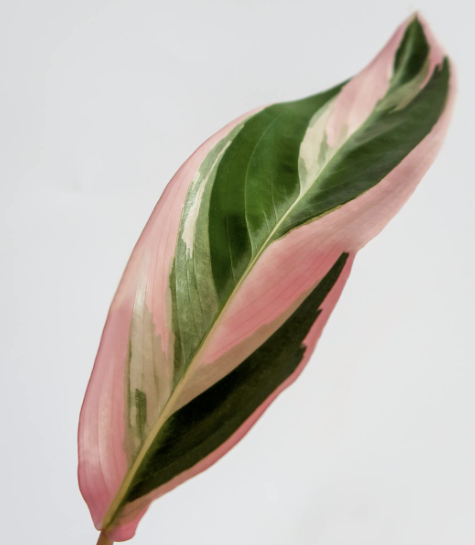
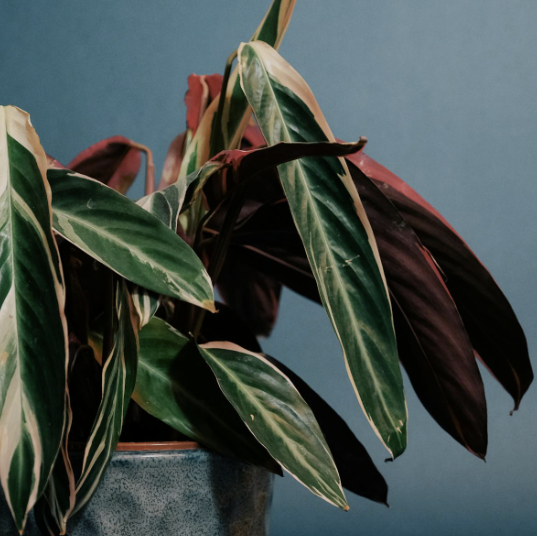
If you want a plant that really stands out, the Stromanthe Triostar is a perfect choice. Its mix of pink, cream, and dark green leaves adds instant colour to your space. It feels bright, fresh, and a little bit special.
That said, it isn’t the most low-maintenance plant out there. It does need a bit of extra care. However, once you understand what it likes, it becomes much easier to keep happy.
Background
The Stromanthe sanguinea ‘Triostar’ comes from South America. In its natural habitat, it grows in warm, humid forests under filtered light.
Because of this, it loves stable conditions, high humidity, and gentle light.
It also belongs to the Marantaceae. Like other prayer plants, its leaves move throughout the day. This gives it a lively, almost interactive feel.
If you want more unique houseplants, explore The Most Interesting Plants To Add To Your Collection for more unique plants to grow at home.
Types
The most common type you will find is the triostar plant itself. It is known for its bold colour mix and striking leaves.
You may also see stromanthe thalia or even calathea triostar. These are often grouped together because they look similar.
Even so, all stromanthe plants share very similar care needs. So once you learn one, the others feel much easier.
Is Stromanthe Triostar Similar to Other Houseplants?
In some ways, yes. It behaves a lot like other tropical houseplants, especially prayer plants and calatheas.
However, it does need more attention than many common indoor plants. It is not quite a “set it and forget it” plant.
Still, if you already care for tropical plants, you will find this one manageable.
Light
This plant loves bright indirect light. So, placing it near a window with filtered light is a great idea.
A sheer curtain can help soften the light and protect those delicate leaves.
Direct sunlight should be avoided. Too much sun can cause brown spots and faded colour.
On the other hand, low light can slow growth and dull the leaves. So, aim for a soft, bright spot for best results.
Water
Watering is one of the most important parts of stromanthe triostar care.
The soil should stay lightly moist, but never soggy. Always check the top inch of soil first. If it feels dry, then it is time to water.
Water quality also matters. Tap water can cause brown tips due to minerals. So, it is best to use distilled water, filtered water, or rain water.
Finally, make sure your pot has drainage holes. Good drainage helps prevent root rot, which is a common issue.
Temperature
This plant enjoys warm temperatures and does best between 18°C and 27°C.
Try to keep it away from cold drafts, open windows, or heaters. Sudden changes can stress the plant.
A stable, warm environment will support healthy growth.
Humidity
Humidity is key for this tropical plant.
It thrives in high humidity levels. If the air is too dry, you may notice brown tips or crispy edges.
To help, you can use a pebble tray, a humidifier, or group it with other indoor plants.
Regular misting can also help, especially during the winter months when the air is dry.
Fertiliser
During the growing season, feeding your plant helps support new growth.
Use a balanced liquid fertiliser every few weeks, but keep it diluted.
In winter, growth slows down. So, it is best to reduce or stop feeding during this time.
Soil
A good potting mix makes a big difference.
This plant needs well-draining soil that still holds some moisture. A mix with coco coir, perlite, and organic matter works well.
This balance helps protect the root system and prevents soggy soil.
Repotting
Repotting should be done every one to two years, or when the plant becomes root bound.
Choose a slightly larger pot with proper drainage holes. A terracotta pot can help manage excess water.
The best time to repot is early spring, just before the growing season begins.
Pruning
Pruning helps keep your plant looking fresh and healthy.
Simply remove dead leaves and any damaged lower leaves. This helps encourage new growth.
Always use a clean, sharp tool to make a neat cut.
Propagation
The easiest way to propagate this plant is by division.
When repotting, gently separate the root ball into smaller sections. Each section should have roots and leaves.
Then, place each one into fresh potting mix. This is the best way to grow new plants successfully.
Seasonal Care of Stromanthe Triostar
In the warmer months, your plant will grow more quickly. So, it may need more water and feeding.
During the winter months, growth slows down. At this time, reduce watering and stop fertiliser.
Also, keep an eye on humidity, as indoor heating can dry the air.
Stromanthe Triostar Benefits
This plant does more than just look good.
It adds a calming feel to your space and brings a touch of nature indoors. Its bold colours can lift your mood and brighten a room.
It is also a great choice if you want something a little more unique.
How to Encourage Blooming
While it can flower, it is quite rare indoors.
To give it the best chance, provide bright light, warm temperatures, and high humidity.
Even so, most people grow this plant for its beautiful foliage rather than its flowers.
Common Problems and Troubleshooting
Brown tips are very common and are often caused by low humidity or poor water quality.
Yellow leaves usually mean too much water or poor drainage.
If the leaves start curling, it may need more moisture or humidity.
The good news is that most issues can be fixed with small changes to your care routine.
Pests
Like many tropical plants, it can attract pests.
Spider mites and fungus gnats are the most common. So, it is a good idea to check the underside of the leaves often.
If needed, wipe the leaves with a damp cloth or use a gentle treatment.
Diseases
Root rot is the most common disease. It usually comes from overwatering or soggy soil.
Fungal infections can also appear if conditions are too damp.
Good drainage and proper care are the best ways to prevent problems.
Is Stromanthe Triostar Pet Friendly?
The stromanthe triostar is generally considered non-toxic to pets.
Even so, it is still a good idea to keep plants out of reach where possible.
Other Types to Consider
If you love this plant, there are a few others worth trying.
Calathea plants, other prayer plants, and stromanthe thalia all offer similar care and stunning foliage.
They make a great addition to any indoor plant collection.
FAQs
How to care for stromanthe triostar in water?
It is not ideal long term. It prefers soil. You can root divisions in water first, then transfer.
Why are my stromanthe triostar leaves turning brown?
This is usually caused by low humidity or tap water.
Does stromanthe triostar flower?
Yes, but it is rare indoors. It is mainly grown for its leaves.
How to propagate stromanthe triostar?
The best way is by dividing the root ball during repotting.
Why are my stromanthe triostar leaves curling?
This often means the plant needs more humidity or water.
What are common problems with Stromanthe?
Brown tips, yellow leaves, and spider mites are the most common issues.
Can you cut off Triostar leaves and start again?
You can remove damaged leaves, but new plants grow from root division, not leaf cuttings.
With the right care, your triostar plant will reward you with bold colour and lush growth for a long time. It may need a little extra attention, but it is always worth it.