
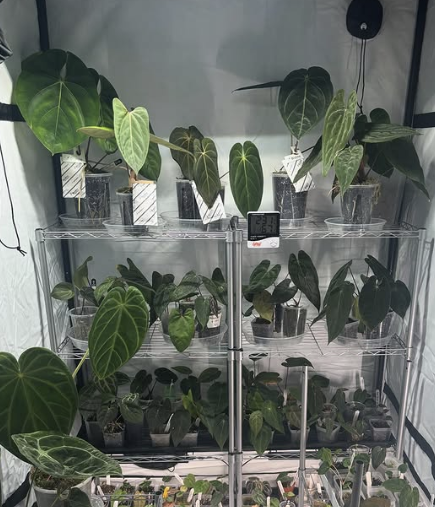
If your grow tent feels too cold, your plants will struggle.
This often happens during the winter months. Cold air creeps in. Heat loss builds up. And suddenly, your tent temperature drops below the ideal range.
The good news? There are efficient ways to fix it.
In this guide, you’ll learn how to heat your grow tent, improve temperature control, and create the ideal environment for healthy plant growth.
Struggling how to cool a grow tent? Check out my post on How to Cool a Grow Tent.
Understanding Why Warmth is Critical for Plant Health
First, let’s keep it simple.
Plants need the right temperature to grow properly. If your grow tent environment gets too cold, growth slows down.
Cold conditions can cause:
- Poor nutrient uptake
- Weak root zones
- Slower growth in young plants
- Stress in mature plants
In fact, cannabis plants grow best within specific temperature ranges:
- 20–26°C during the day
- Slightly cooler at night
If temperatures drop too low, your plants can’t reach optimal conditions.
Also, low temperatures can affect humidity levels. Cold air holds less water vapor, which can lead to unstable relative humidity.
That’s why keeping a steady, warm environment plays an important role in indoor gardening.
The First Step: Check Your Grow Tent Setup
Before adding heat, take a step back.
Look at your grow tent setup and ask:
- Is your tent the right size for your grow space?
- Is cold air leaking in?
- Are your ventilation systems removing too much heat?
Many growers miss this. But it matters.
Poor setup leads to:
- Heat loss
- Cold spots
- Poor airflow
Fixing these first will make heating much easier.
5 Best Ways to Heat a Grow Tent
Now let’s get into the best ways to raise temperatures safely.
1. Use a Tent Heater or Portable Space Heater
The easiest option is a tent heater.
A portable space heater or fan heater can quickly raise tent temperature.
Benefits:
- Fast heat
- Easy temperature control
- Works well in small space setups
Just be careful:
- Don’t place heaters too close to plants
- Avoid hot spots
- Use a thermostat for safety
This is often the best option for consistent warmth.
2. Add Heat Mats for Root Zones
Heat mats are a simple but powerful tool.
A heating mat warms the root zones directly. This helps plants absorb nutrients even when air temperature is lower.
They are great for:
- Seedling stage
- Young plants
- Cold grow room floors
Heat mats use less energy and provide gentle, steady warmth.
3. Adjust Your Ventilation System
This may sound surprising, but your ventilation system can remove too much heat.
So, make small changes:
- Lower the exhaust fan speed using a fan speed controller
- Reduce run time during colder periods
- Balance intake fan and exhaust fan airflow
You still need fresh air and proper airflow. But slowing things down helps keep warm air inside.
This improves energy efficiency and reduces energy costs.
4. Improve Insulation Strategies
If heat keeps escaping, you’ll keep losing warmth.
So, focus on insulation strategies:
- Use reflective material inside your tent
- Choose tents with heavy-duty fabric
- Seal gaps where cold air enters
High-quality options like Gorilla Grow Tents are designed to reduce heat loss and maintain stable environmental conditions.
Better insulation = less heat needed.
5. Use Your Grow Light as a Heat Source
Your grow light already produces heat.
So, use it to your advantage:
- Run lights longer during cold periods
- Adjust lighting patterns for better heat distribution
- Keep lights closer (but safe) to plants
This creates little heat that adds up over time.
It’s one of the most efficient ways to warm your grow tent without extra equipment.
Smart Temperature Monitoring and Control Systems
To get the best results, you need control.
Use tools to track:
- Tent temperature
- Relative humidity
- Run time of fans and heaters
This helps you maintain consistent temperatures and avoid sudden drops.
Advanced systems can even automate:
- Ventilation systems
- Heating devices
- Humidity control
This keeps your grow tent environment stable and closer to ideal conditions.
Extra Tips for Keeping Your Grow Tent Warm
Here are a few more helpful tips:
- Keep your grow room warm, not just the tent
- Avoid placing tents near cold walls or windows
- Reduce direct exposure to cold air drafts
- Use a circulation fan for proper air circulation and even heat distribution
- Avoid excessive ventilation during cold periods
Also, remember:
What works in summer months won’t work in winter months.
So adjust your setup as the seasons change.
Why This Matters for Indoor Growers
When you maintain the ideal temperature, everything improves.
You’ll see:
- Healthy plant growth
- Stronger root zones
- Better nutrient uptake
- A more stable grow tent environment
In short, you create the perfect environment for your plants to thrive.
FAQ Section
How to make a tent more warm?
Use a tent heater, reduce heat loss, and slow down your exhaust fan. Adding heat mats also helps warm root zones.
What is the best temperature for a grow tent?
The optimal temperature is around 20–26°C. This supports healthy plant growth and nutrient uptake.
How to heat up a grow tent without a heater?
Use your grow light as a heat source, improve insulation, and reduce ventilation speed to keep warm air inside.
What is the most efficient way to heat a grow room?
The most efficient way is to combine insulation strategies, controlled ventilation, and low-energy heating tools like heat mats.
Does a grow tent use a lot of electricity?
It depends on your setup. Using energy-efficient tools and reducing heat loss can help lower energy costs.
How to keep a grow tent warm in winter indoors?
Seal your tent, reduce airflow slightly, use a portable space heater, and keep your grow room warm overall.
Should air be blowing in or out of a grow tent?
Both. You need an intake fan to bring in fresh air and an exhaust fan to remove stale air. This keeps proper airflow balanced.
Heating a grow tent is all about balance.
Start with your setup. Reduce heat loss. Then add heat in smart ways.
Step by step, you’ll create an ideal environment with stable temperatures and proper airflow.
And once you do, your plants will reward you with strong, healthy growth.