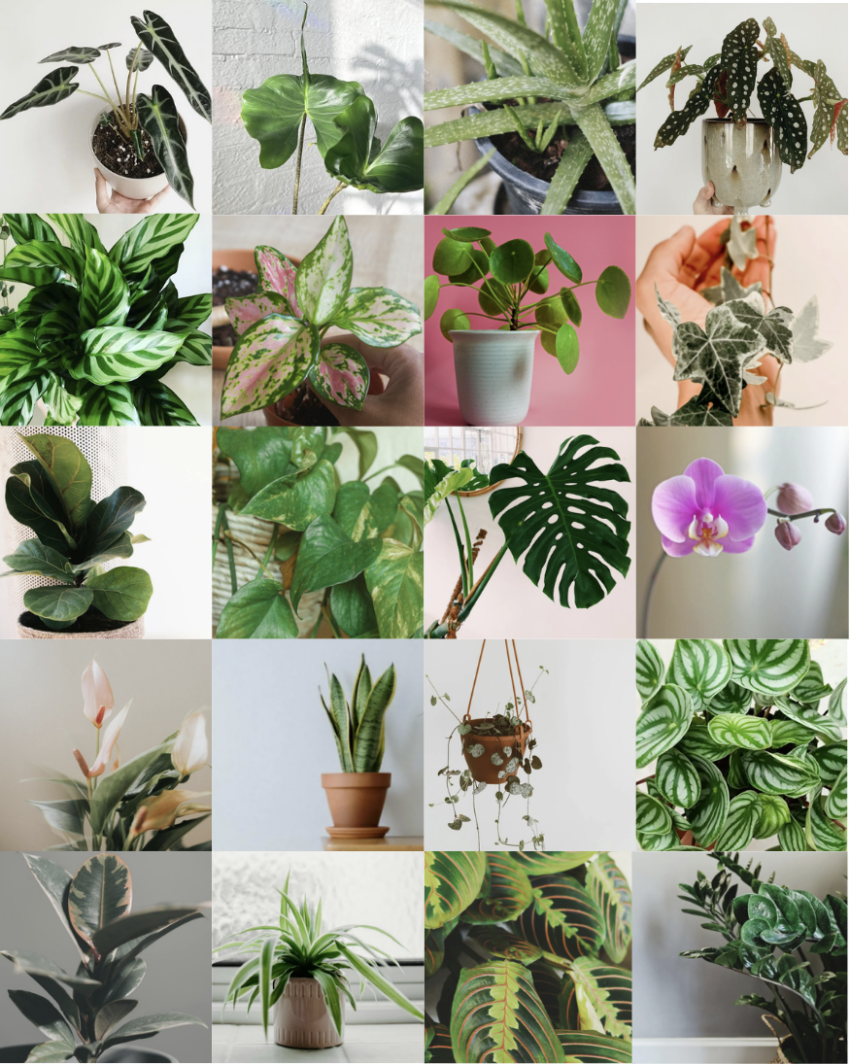
If you have ever looked at a plant and thought, “What is this?”, you are not alone. Plant identification is one of the most common questions in indoor gardening.
The good news is that most common house plants are easy to recognise once you know what to look for. Small details like leaf shape, colour, and growth style act as simple identification markers.
In this guide, you will learn how to identify popular houseplants and how to care for them. This will help you choose the right plant and keep it healthy.
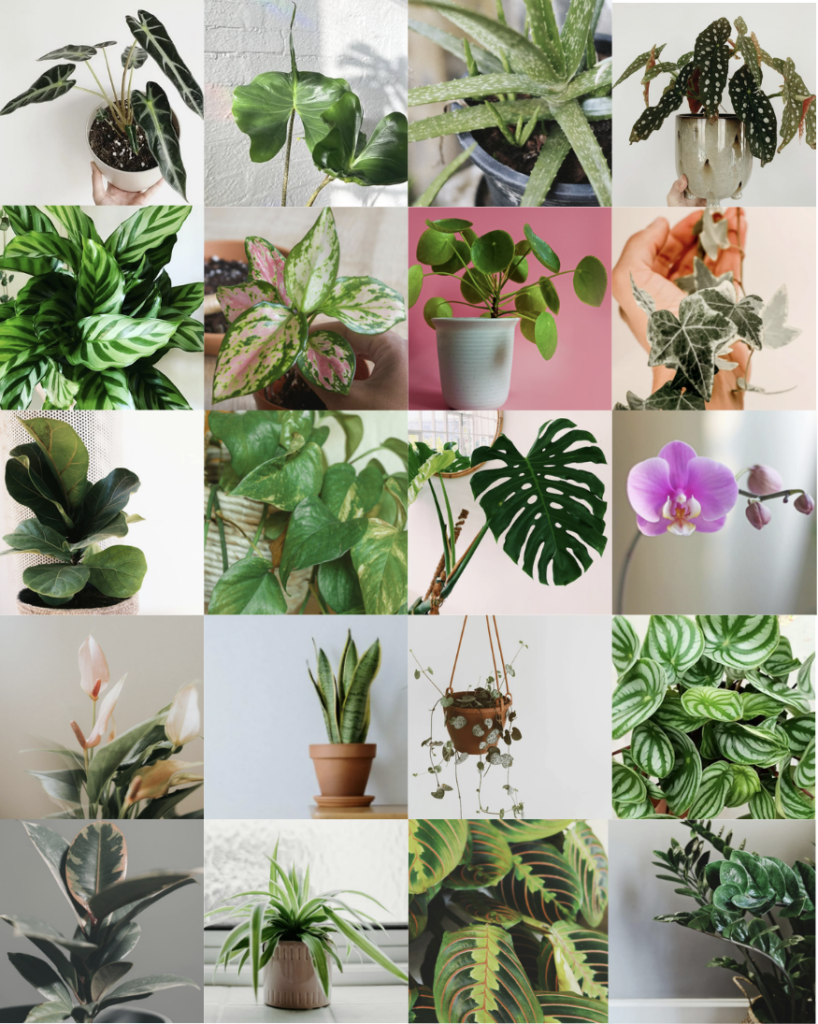
Alocasia
Identification:
Alocasia plants have bold leaves with strong veins. Many have an arrow shape or look like an African mask.
Care tips:
They need bright indirect light and high humidity. Keep soil lightly moist but not soggy.
These tropical plants are striking but need the right care.
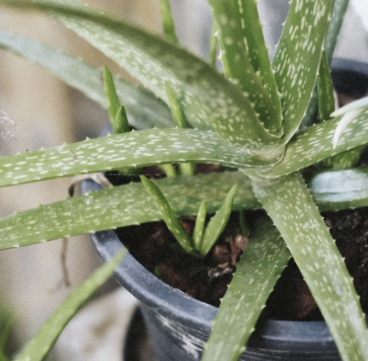
Aloe Vera
Identification:
Aloe vera has thick, fleshy leaves with spiky edges. The leaves grow in a rosette shape.
Care tips:
Place in a bright spot with direct sunlight. Water lightly and use well-drained soil.
It is a great house plant for minimal care and small spaces.
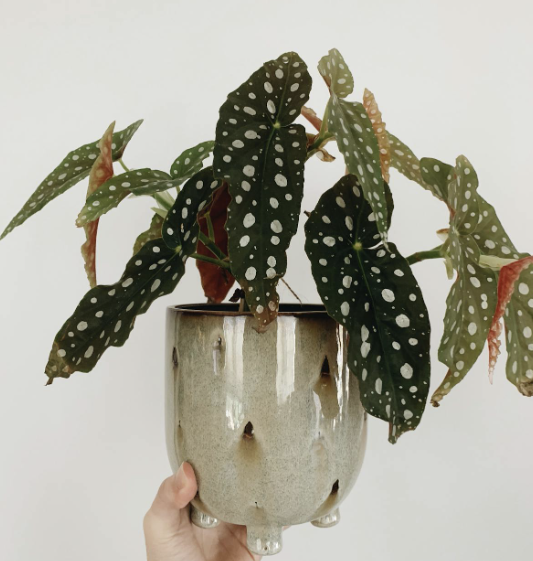
Begonia
Identification:
Begonia plants come in many forms. Most have colourful or patterned leaves with unique shapes.
Care tips:
They prefer bright indirect light and moderate watering. Avoid letting the soil stay too wet.
They are a great choice if you love intricate leaf patterns.
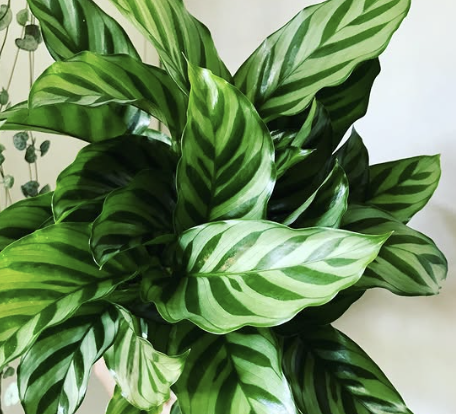
Calathea
Identification:
Calathea plants have soft leaves with bold patterns. Many have dark green leaves with lighter designs.
Care tips:
They need high humidity and moist soil. Avoid dry air and direct sunlight.
They are beautiful but need a bit more attention.
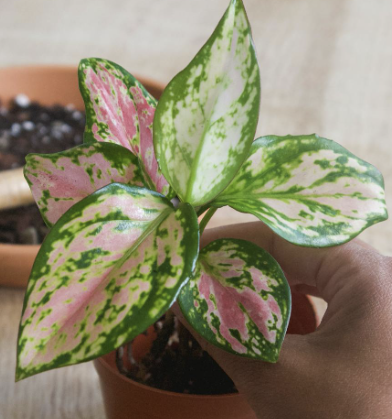
Chinese Evergreen
Identification:
The chinese evergreen has dark green leaves with patterns. Some have silver or light green markings.
Care tips:
It grows well in low light conditions. Keep soil moist but not wet.
It is an excellent choice for beginners and low-light homes.
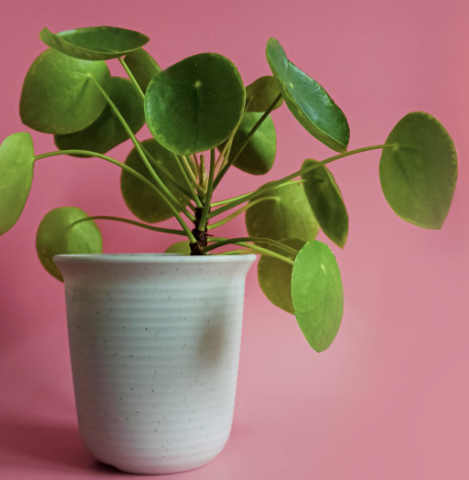
Chinese Money Plant
Identification:
The chinese money plant has round, flat leaves. The leaves sit on thin stems and look very neat.
Care tips:
Place in bright indirect light. Water when soil dries slightly.
It is a popular houseplant for shelves and indoor space styling.
English Ivy
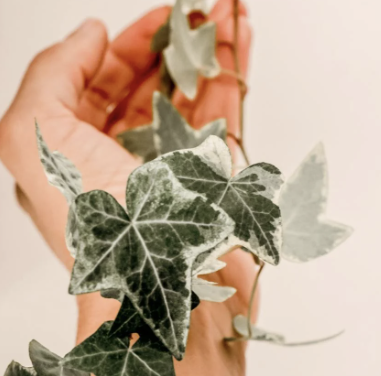
Identification:
English ivy is a trailing vine with small, pointed leaves. Leaves often have a classic ivy shape.
Care tips:
Place in bright light but avoid harsh direct sunlight. Keep soil slightly moist.
It works well in hanging baskets.
Fiddle Leaf Fig
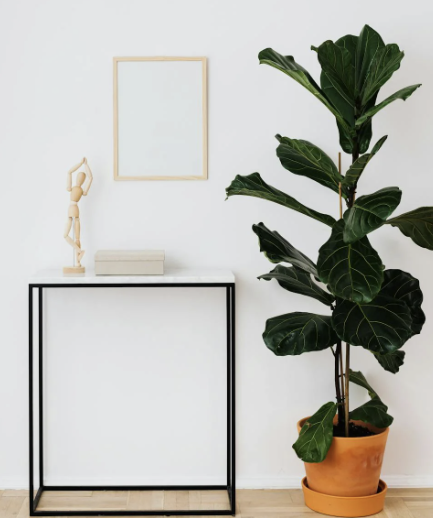
Identification:
Fiddle Leaf Fig, also called Ficus lyrata, this plant has large, violin-shaped leaves.
Care tips:
It needs bright light and consistent watering. Avoid moving it too often.
It is a stylish focal point in any indoor garden.
Golden Pothos
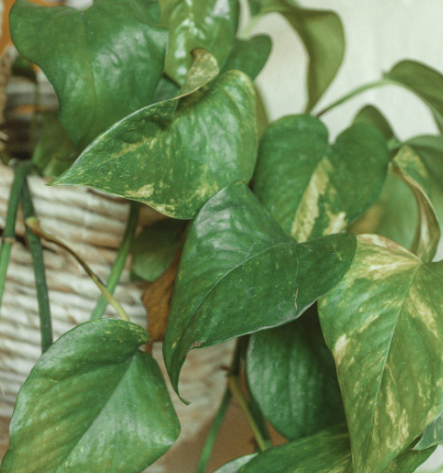
Identification:
Golden pothos has heart-shaped leaves with yellow patterns. It grows as a trailing vine.
Care tips:
It grows in various light conditions. Water when soil dries.
It is one of the best houseplants for beginners.
Monstera Deliciosa (Swiss Cheese Plant)
Identification:
Monstera deliciosa has large leaves with natural holes.
Care tips:
It prefers bright indirect light and moderate watering.
It is a popular houseplant with a bold tropical look.
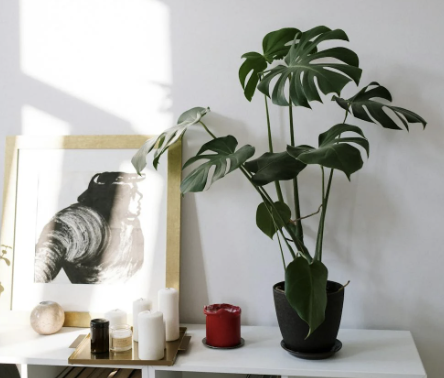
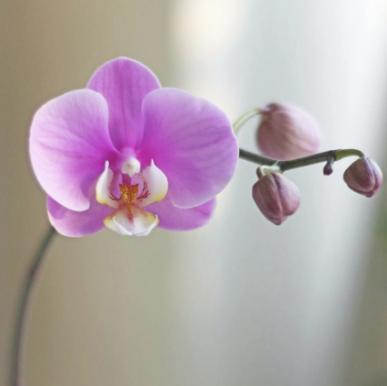
Moth Orchids
Identification:
Moth orchids have elegant white flowers and smooth, thick leaves.
Care tips:
They need bright indirect light and high humidity.
They are perfect for adding a soft, elegant touch.
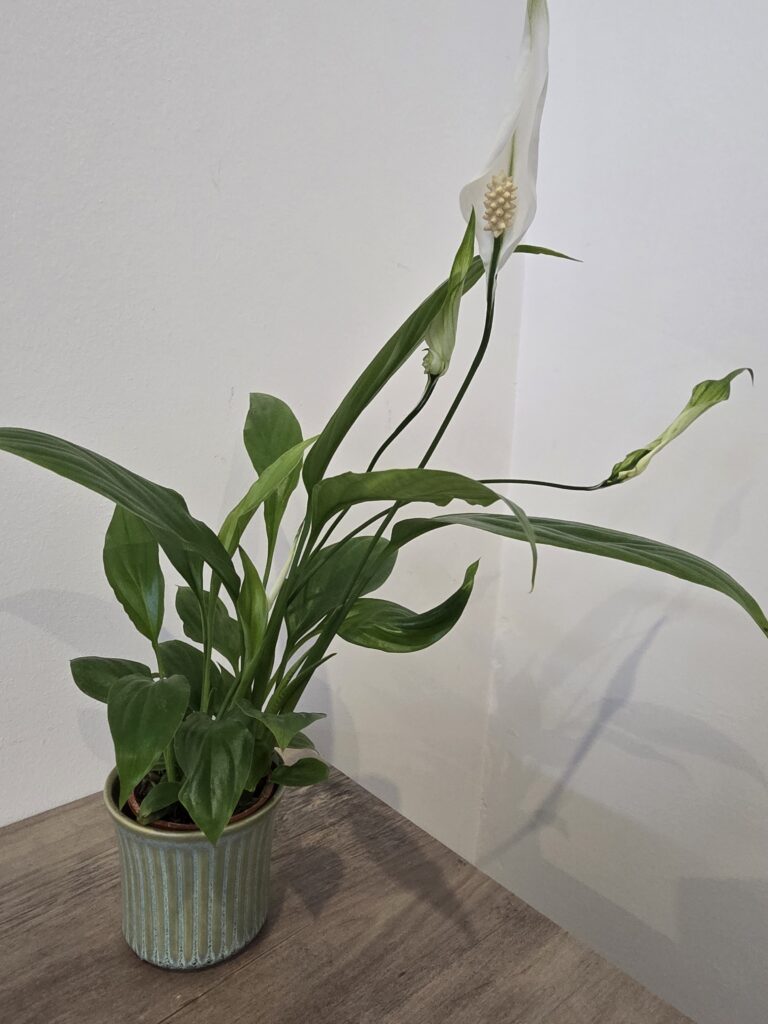
Peace Lily
Identification:
Peace lilies have glossy green leaves and elegant white flowers.
Care tips:
Keep soil moist and place in indirect light.
They are well known as air-purifying plants.
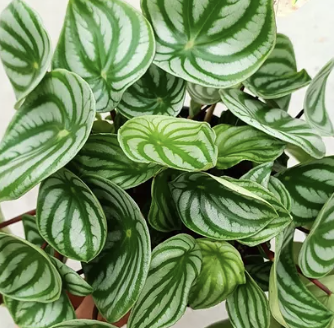
Peperomia
Identification:
Peperomia plants are small and compact. They often have thick or slightly fleshy leaves.
Care tips:
They like bright indirect light and light watering. Let soil dry slightly between watering.
They are perfect houseplants for desks and small spaces.
Prayer Plants
Identification:
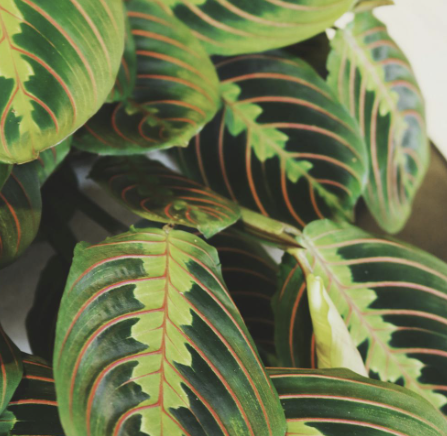
Prayer plants have intricate leaf patterns. Leaves often fold at night.
Care tips:
They need high humidity and moist soil.
They are tropical houseplants from Southeast Asia and similar regions.
Rubber Plant
Identification:
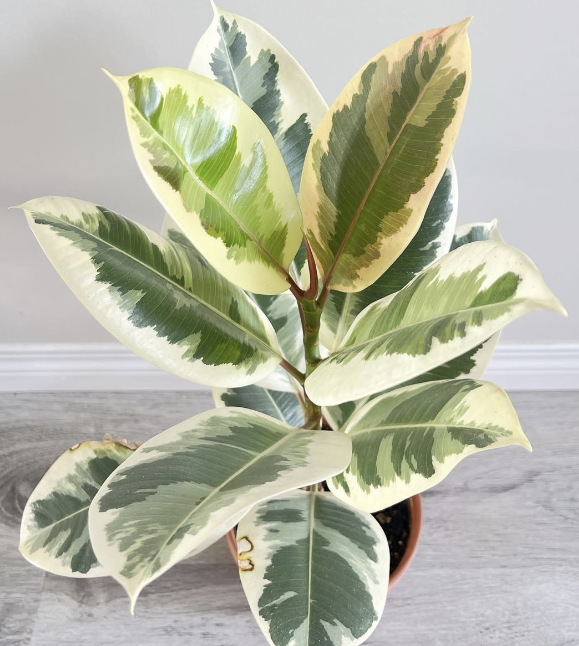
The rubber plant, also known as Ficus elastica, has large, glossy green leaves.
Care tips:
It prefers bright light and moderate watering. Keep soil slightly moist but well-drained.
It is a stylish and great house plant for adding height.
Snake Plant
Identification:
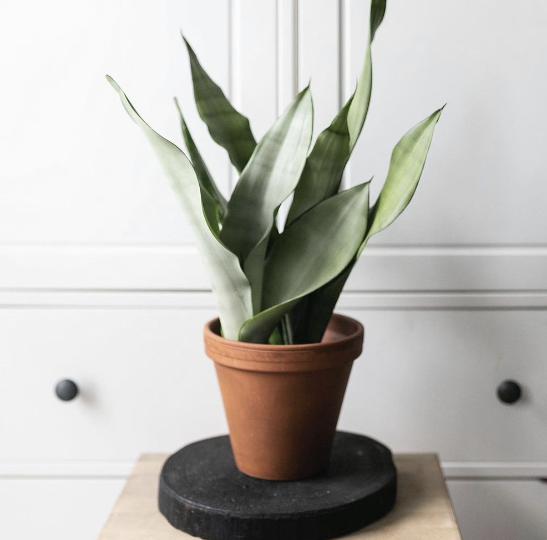
The snake plant has tall, sword-like leaves with green patterns.
Care tips:
It grows in low light and bright light. Water occasionally.
It is one of the easiest plants and needs minimal care.
Spider Plants
Identification:
Spider plants have long, strappy leaves and produce baby plants.
Care tips:
They prefer bright indirect light and regular watering.
They are perfect for small spaces and hanging displays.
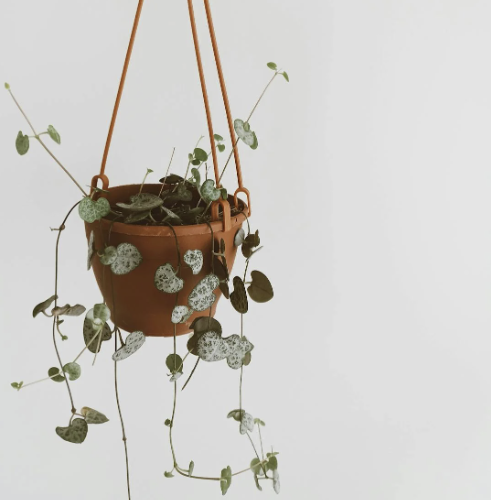
String of Hearts
Identification:
The string of hearts has thin trailing vines with small heart-shaped leaves. The leaves are often green with soft silver patterns.
Care tips:
It prefers bright indirect light and well-drained soil. Water lightly and let the soil dry between watering.
It is a perfect houseplant for hanging baskets and small spaces.
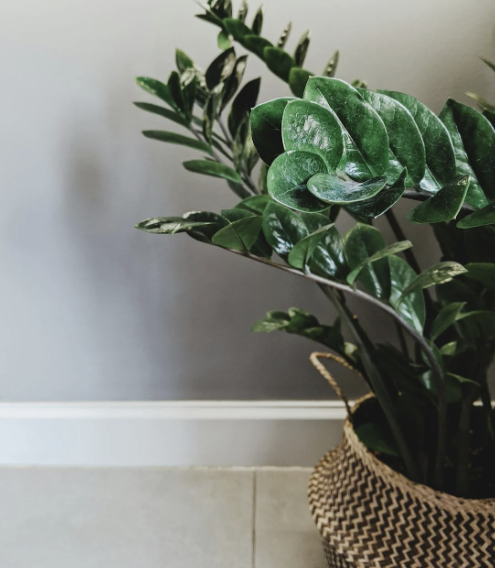
ZZ Plant
Identification:
The zz plant has thick stems and glossy green leaves.
Care tips:
It tolerates low light conditions and needs very little water.
It is a great choice for busy plant owners.
How to Identify a Mystery Plant
If you have a mystery plant, focus on a few simple things.
Look at the leaf shape. Is it heart-shaped, thin, or fleshy?
Check the colour. Are the leaves dark green, pale green, or patterned?
Look at growth style. Is it upright or a trailing vine?
These small clues help you find the right plant and give it proper care.
Why Plant Identification Matters
Knowing your plant helps you give it the right care. Each plant has different care requirements.
Some need bright light, while others grow in low light conditions. Some need moist soil, while others prefer dry soil.
When you match the plant to the right lighting and watering, you get the best results.
Learning plant identification is a fun part of indoor gardening. Over time, you will recognise more plants at a glance.
Start with these common house plants and build your knowledge slowly. Soon, your indoor garden will feel easy to manage and full of life.