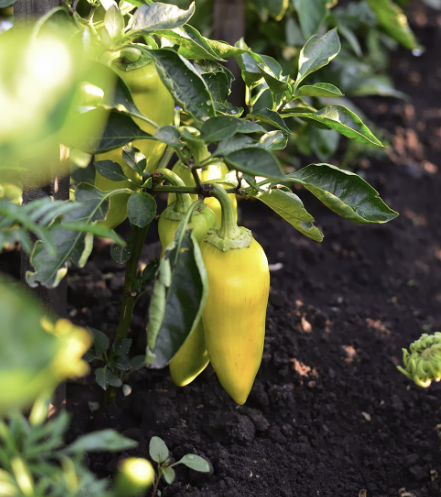
Hot peppers are one of the most rewarding plants you can grow. Whether you’re growing chillies on a windowsill or jalapeños in the garden, nothing beats picking your own fresh peppers.
The good news is that hot pepper plants are not too difficult to grow. If you want more help, read my complete guide to peppers. However, if you want strong plants, lots of fruit, and bold flavour, the soil you use really matters.
In fact, poor soil is one of the main reasons plants stay small or produce fewer peppers.
So, if you want bigger harvests and healthy plants, it all starts with getting the soil right.
Understanding This Hot Peppers Natural Habitat
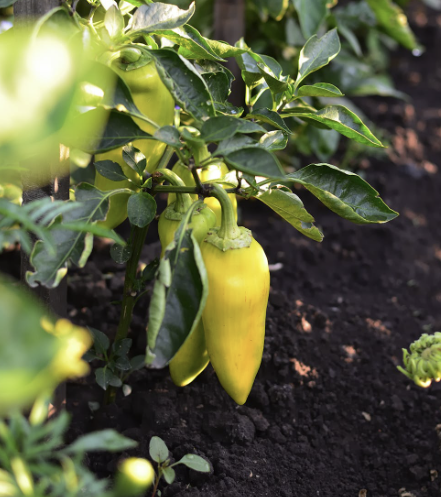
Hot peppers come from warm regions in Central and South America. In their natural habitat, they grow in sunny spots with warm temperatures and well-drained soil.
The soil is usually rich in nutrients but never heavy or waterlogged. Rain drains away quickly, while the roots still get enough moisture to grow.
So, when growing peppers at home, your goal is simple. You want soil that holds some moisture but drains well, along with plenty of warmth and sunlight.
Key Soil Requirements
Drainage Needs
First of all, hot peppers hate sitting in water. If the soil stays too wet, roots can rot, and plant growth will slow down.
So, good drainage is essential. Water should move through the soil easily without pooling at the bottom of the pot.
Ideal pH Range
Hot peppers prefer slightly acidic to neutral soil, usually between pH 6.0 and 7.0. This helps the plant take in nutrients properly.
Nutrient Balance
Peppers are hungry plants, especially during the growing season. They need nutrients to support strong growth and fruit production.
Using a balanced fertilizer during this time can make a big difference.
Soil Texture & Structure
The soil should feel loose and crumbly. It should not be hard or compact, as this can restrict the roots and limit growth.
Factors to Consider When Choosing Soil for Hot Peppers
Before choosing your soil, think about how and where you’re growing your peppers.
If you’re growing in pots, drainage becomes even more important. In the ground, soil quality may depend on your garden conditions.
Warmth also plays a big role. Peppers grow best in warm temperatures, so soil that drains well will warm up faster in spring.
If your area gets a lot of rain, you’ll need to make sure your soil doesn’t stay too wet.
Recommended Soil Mix for Hot Peppers
Best Store-Bought Soil Options
A good-quality vegetable potting mix is a great place to start. Look for one that says “well-draining” on the label.
DIY Soil Mix Recipe (Best Results)
If you want the best results, you can mix your own soil quite easily.
Try this simple mix:
- 2 parts potting soil
- 1 part compost
- 1 part perlite or coarse sand
This gives your plants nutrients while keeping the soil light and well-drained. If you want to learn more about soil, read my beginners guide to soil.
Recommended Ingredients in Soil Mix
Compost feeds the plant, while perlite or sand improves drainage. Together, they create a balanced mix that supports healthy growth.
Where to Purchase Soil & Amendments
You can find these materials at garden centres or online stores without much trouble.
Choosing the Right Pot for Hot Peppers
Types of Pots
Plastic pots hold moisture longer, while clay pots dry out faster. Both can work, depending on your climate.
Ideal Pot Size
Peppers need space for their roots. A medium to large pot works best, especially as the plant grows.
Importance of Drainage Holes
Always choose a pot with drainage holes. This prevents excess water from building up and damaging the roots.
Best Time to Plant, Transplant, or Repot Hot Peppers
The best time to plant hot peppers is in spring, once temperatures start to warm up.
You can transplant or repot during early summer as the plant enters its main growth period.
Avoid planting too early, as cold soil can slow growth.
How to Plant Hot Peppers (Step-by-Step Guide)
Preparing the Soil
Mix your soil well so it feels light and loose. Make sure everything is evenly combined.
Planting Instructions
Start by filling your pot or planting area with soil. Place your plant in the centre and cover the roots.
Press the soil gently and water lightly to help it settle.
Planting in Pots vs Ground
Hot peppers grow well in both pots and the ground. Pots give you more control, while garden planting can allow for larger plants.
Aftercare & Maintenance of Hot Peppers
Watering After Planting
Keep the soil evenly moist, but not wet. A good rule is to water when the top layer of soil starts to dry.
Avoid overwatering, as this is a common mistake.
Light Requirements
Hot peppers love sunlight. Place them in a spot with full sun or as much light as possible.
Feeding & Fertilizing
Feed regularly during the growing season to support fruit production. This helps produce bigger and healthier peppers.
Repotting & Propagation of Hot Peppers
How Often to Repot
Repot as needed, especially if roots outgrow the pot or growth slows down.
How to Repot Safely
Move the plant gently into a slightly larger pot with fresh soil. Avoid damaging the roots.
How to Grow from Cuttings or Seeds
Most hot peppers are grown from seeds, which are easy to start indoors before the season begins.
Signs of Inadequate Soil in Hot Peppers
If your soil isn’t right, your plant will show signs.
You may notice slow growth, small fruits, or yellowing leaves. In some cases, the soil may stay too wet or too dry.
Fixing the soil often solves these problems quickly.
Common Soil Mistakes to Avoid in Hot Peppers
Some mistakes are easy to make, especially for beginners.
Using heavy soil, overwatering, or poor drainage are some of the most common issues. These can lead to root problems and poor harvests.
Tips for Healthy Growth in Hot Peppers
If you want the best results, focus on a few key things.
Keep your plants warm, give them plenty of sunlight, and maintain a steady watering routine. Consistent care leads to stronger plants and better yields.
FAQ
What is the secret to growing hot peppers?
Warm temperatures, lots of sunlight, and well-draining soil are the key to success.
Do peppers need ericaceous compost?
No, peppers do not need ericaceous compost. Regular potting soil works well.
What is the best potting mix for chilli peppers?
A mix of potting soil, compost, and perlite is ideal.
What soil is best for jalapenos?
Jalapeños prefer well-drained, nutrient-rich soil with good airflow.
What soil is best for hot pepper plants?
Light, well-draining soil that holds some moisture is best.
When not to use ericaceous compost?
Avoid using it unless plants specifically need acidic soil, which peppers do not.
Do hot peppers grow better in pots or ground?
They grow well in both. Pots offer more control, while ground planting allows larger growth.
How to grow bigger hot peppers?
Use nutrient-rich soil, provide plenty of sunlight, and keep a consistent watering routine.
Hot peppers are a great choice for both beginners and experienced gardeners. With the right soil and proper care, they can grow quickly and produce an impressive harvest.
Focus on good drainage, steady watering, and plenty of sunlight. Once those basics are in place, your plants will have everything they need to thrive and produce delicious peppers.