
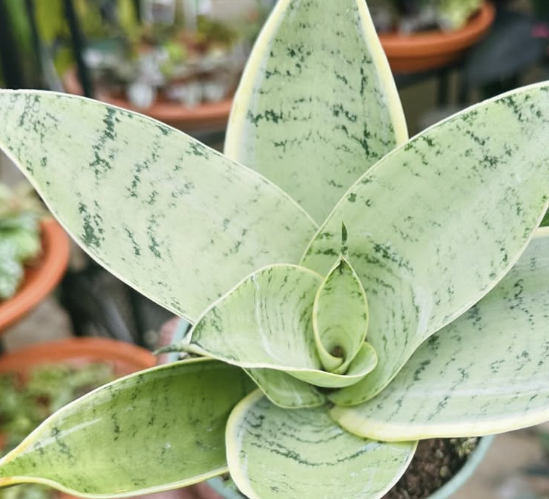
The Night Owl Snake Plant is a beautiful, compact houseplant with dark green foliage.
It is also one of the easiest snake plants to care for.
With the right light, dry soil, and careful watering, this plant can thrive for years.
In fact, Night Owl is a good choice for beginners and busy plant owners.
In this Night Owl Snake Plant Care guide, I will cover everything you need to know. We will look at light, water, soil, repotting, propagation, pests, diseases, and common snake plant problems.
Background
The Night Owl Snake Plant is a cultivar of the snake plant group.
Its scientific name is often listed as Sansevieria trifasciata ‘Night Owl’.
You may also see snake plants labelled as Dracaena trifasciata. However, Sansevieria is still a very common name in garden centres and online shops.
Unlike tall snake plants, Night Owl grows in a short, compact rosette.
Its sword-shaped leaves grow upwards from the centre of the plant.
The leaves have attractive dark green colouring. Some plants can also have lighter edges or creamy-yellow variegation. The exact colouring can vary between plants. That is completely normal.
Beginner Information
Night Owl is an easy care plant. It does not need a complicated routine. In fact, the simplest approach is often the best.
Give it enough light. Let the soil dry before watering. Use a pot with a drainage hole. Then leave it alone.
Night Owl stores water inside its thick leaves. This helps it survive periods of drought. As a result, it needs much less water than many tropical indoor plants. This also makes it a good plant for people who sometimes forget to water. The biggest beginner mistake is giving the plant too much water. Wet soil can quickly lead to root rot.
It is much easier to save a slightly thirsty snake plant than an overwatered one.
Types
There are many different snake plant varieties. Night Owl is one of the smaller types.It belongs to the Hahnii group, which includes several bird’s nest-style snake plants.
Other popular snake plant varieties include Laurentii, Moonshine, Black Coral, Golden Hahnii, and Whale Fin. The main difference between these plants is their appearance and growth habit.
Their basic care is very similar. This makes it easy to learn how to care for a snake plant indoor.
Once you understand the basics, you can care for many different snake plant varieties.
Size
Night Owl stays much smaller than tall snake plants. It usually reaches around 10 to 16 inches tall. The plant can also spread to around 8 to 10 inches wide.
However, size can vary. Light, age, pot sizes, soil, and growing conditions all affect growth.
Its small size makes Night Owl perfect for smaller spaces.
You can place it on a desk, shelf, bedside table, or windowsill. It can also look beautiful in a decorative pot.
Indoors or Outdoors?
Night Owl is best grown indoors in cooler climates. It can grow outside in warm areas. However, it does not tolerate frost or freezing temperatures.
Choose a sheltered position with bright light.
Do not place it straight into strong direct sunlight.
Your plant needs time to adjust.
Start with a bright, shaded area.
Then gradually increase the amount of light it receives.
Bring it back indoors before the colder months arrive.
Also, avoid leaving it outside in heavy rain.
Too much rain can leave the soil wet for too long.
That increases the risk of root rot.
Is the Care Similar to Any More Common Plants?
Yes. Night Owl has very similar care needs to other snake plants.
It also has some similarities to succulents. Like succulents, it stores water in its leaves. It therefore prefers dry soil between waterings. A succulent soil mix can also work very well for Night Owl. Aloe vera and Haworthia have similar watering needs too. However, Night Owl is more tolerant of lower light conditions than many succulents.
This makes it a more flexible indoor plant.
If you already care for a snake plant, you will find Night Owl very easy.
Location for your Night Owl snake plant
The Night Owl Snake Plant looks good in many spots.
Try:
- Bedrooms – read this post for plants you need in your bedroom to help you sleep
- Living rooms – read my post on the best large plants for your living room
- Offices – check out my post on the best office plants for more inspiration
- Entryways
Light
Light is important for healthy Night Owl growth. The plant can tolerate a variety of light conditions.
It can even survive lower light conditions. However, brighter light usually produces better growth.
The ideal location has bright indirect light. An east-facing window is a good choice.
You can place your plant near a bright window with sheer curtains. These can soften direct sunlight. Some gentle morning direct sunlight is usually fine. However, avoid strong midday sunlight for long periods.
Too much direct sunlight can scorch the leaves. You may notice brown, pale, or bleached patches. If this happens, move the plant further away from the window.
If your Night Owl is in very low light, growth may become slow.
Water
Night Owl Snake Plant care watering is simple. The plant needs little water, so always allow the soil to dry before watering again. Do not water based only on a calendar. Instead, check the soil first. Push your finger into the top few inches. If the soil feels damp, wait. If it feels completely dry, it is time to water.
When you water, do it thoroughly. Pour water over the soil until some drains through the drainage hole. Then allow the pot to drain fully. Never leave your plant sitting in water, as excess water can quickly cause root rot.
During winter, your plant will usually need less water. This is because growth slows during the colder months. Plants growing in lower light conditions may also need less water.
Temperature
Night Owl prefers warm indoor temperatures. A range of around 15–24°C works well. Try to keep your plant away from cold draughts, and avoid placing it beside an open window during freezing weather. You should also avoid putting it directly beside a radiator, as sudden changes in temperature can stress the plant.
If you move your plant outside during summer, keep an eye on the weather. Bring it inside before temperatures become too cold. Never allow your Night Owl Snake Plant to freeze.
Humidity
Night Owl does not need high humidity, which is one of its biggest advantages. Normal household humidity is usually fine, so you do not need to mist the leaves. In fact, frequent misting can leave water sitting around the foliage.
Instead, good airflow is more useful. Avoid keeping your plant in a constantly damp room. Low humidity is usually not a problem, making Night Owl much easier to care for than many tropical plants.
Fertiliser
Night Owl does not need much fertiliser. It is a relatively slow-growing plant, so too much fertiliser can damage the roots. During the growing season, you can feed your plant once a month with a balanced liquid fertiliser.
Dilute the fertiliser to half strength and always follow the instructions on the product. Do not fertilise dry soil. If the soil is very dry, water the plant first. Reduce feeding during autumn and stop during winter unless your plant is still actively growing.
Remember that fertiliser cannot fix poor growing conditions. If your plant has root rot, pests, or severe stress, fix the main problem first.
Soil
Good soil is one of the most important parts of Night Owl Snake Plant care. The plant needs a free-draining soil mix because heavy soil can hold too much moisture. This can quickly lead to root rot.
A succulent soil or cactus soil is a good choice. You can also mix regular houseplant soil with perlite to improve drainage. The aim is to create a loose mix that allows excess water to drain away quickly.
Your pot must also have a drainage hole. Without one, water can collect around the roots. This creates the perfect conditions for root rot.
Repotting / Growing in Pots
Night Owl does not need frequent repotting. In fact, it often prefers being slightly root-bound. You should repot when the roots have filled the pot or when the plant becomes unstable. When choosing a new pot, pick one that is only slightly larger than the current pot.
Avoid moving a small plant into a huge pot. Larger pots hold more soil, which means the soil can stay wet for longer. This increases the risk of root rot. Terracotta pots can be a good option because they allow some moisture to evaporate through the sides. However, plastic pots work well too. The main thing is choosing a pot with a drainage hole.
When repotting, keep the plant at the same soil line as before. Do not bury the centre of the plant. Take the opportunity to check the roots too. Healthy roots should feel firm, while mushy roots can indicate root rot. Remove any damaged roots before planting your Night Owl into fresh soil.
Pruning
Night Owl does not need regular pruning. However, you can remove damaged or dead leaves when needed. Use clean, sharp scissors and cut damaged leaves close to the base.
Avoid cutting healthy leaves simply to change their shape. Snake plants grow from the centre of the rosette, so cutting the leaf tips will not make the plant grow bushier. If your plant has brown tips, try to find the cause first. Overwatering, underwatering, sun damage, and physical damage can all cause brown leaves. Removing the damaged leaf will not fix the underlying problem.
Propagation
Night Owl can be propagated in several ways. The easiest method is usually division, especially when the plant has produced offsets. You can also propagate snake plants from leaf cuttings. However, division is often the best choice for Night Owl because it gives the new plant an established root system.
Propagating by Division
Division works when your Night Owl has produced offsets. First, gently remove the plant from its pot and brush away some of the soil around the roots. Look for smaller plants growing beside the main plant. These offsets may be connected to the main plant through underground rhizomes.
Carefully separate the offset from the main plant. Try to keep some roots attached to the new section. Then place it into a small pot with a free-draining soil mix. Avoid using a huge pot, as too much wet soil can increase the risk of root rot.
After planting, allow the soil to dry between waterings. Your new plant may take some time to establish, so do not worry if you do not see new growth straight away.
Propagating From Leaf Cuttings
You can also root Night Owl from leaf cuttings. Start by choosing a healthy leaf and cutting it into sections. Remember which end was closest to the roots, as each section needs to be planted the correct way up.
Allow the cuttings to dry for a few days. This allows the cut surface to callus before planting. Then place the cuttings into a free-draining soil mix. Keep the soil lightly moist, but never soaking wet.
Root development can take several weeks. New growth can take even longer. Therefore, patience is essential when propagating Night Owl.
Can You Root a Night Owl Snake Plant in Water?
Snake plant leaf cuttings can be rooted in water. However, I prefer soil propagation for Night Owl. Water propagation can work, but it is not always the quickest way to produce a strong new plant. It can also encourage rot if the cutting remains wet for too long.
Division is usually more reliable for Night Owl. It also gives you a new plant with an established root system.
Seasonal Care
Night Owl needs slightly different care throughout the year.
Spring
Spring marks the start of the growing season. Your Night Owl may begin producing new growth as temperatures and light levels increase. Move it into brighter light if needed, and start fertilising once you see active growth.
Spring is also a good time to repot your plant if the roots have filled the pot. You can also propagate your Night Owl during this time.
Summer
Summer is usually the most active growing period. Your Night Owl may need more water than it did during winter. However, always check the soil first. Do not water simply because the weather is warmer.
Protect your plant from harsh direct sunlight. If you move it outdoors, introduce it to brighter light slowly. This helps prevent sun damage and allows the plant to adjust.
Autumn
Growth usually begins to slow during autumn. As a result, you can start reducing how often you water your plant. Stop fertilising as growth slows.
This is also a good time to check your plant carefully for pests. This is especially important if your Night Owl spent the summer outdoors.
Winter
Winter care is simple. Give your plant as much bright indirect light as possible, but water less often. Cold rooms can cause the soil to stay wet for longer, so always check the soil before watering.
Keep your Night Owl away from cold draughts and freezing temperatures. You should also avoid fertilising unless the plant is still actively growing.
Plant Benefits
There are several reasons to add a Night Owl Snake Plant to your home. First, it has excellent visual appeal. Its dark leaves create a strong contrast against lighter plants, while its compact size makes it easy to style.
It works well on shelves, desks, windowsills, and bedside tables. It is also an easy care plant, so you do not need to water it every few days. You do not need a humidifier, and you do not need to constantly prune it. This makes Night Owl a good choice for beginners.
Snake plants are also often described as air-purifying plants. Research suggests that plants can remove some pollutants under controlled conditions. However, houseplants should not replace good ventilation. Their air-purifying capabilities are best viewed as an extra benefit.
You may also hear claims about snake plant sleep benefits. These claims are often overstated. Night Owl can still make a lovely bedroom plant, but there is not enough evidence to say that having one will improve your sleep.
Common Problems and Troubleshooting
Even easy care plants can develop problems. Fortunately, most Night Owl Snake Plant problems have a clear cause.
Why Is My Night Owl Snake Plant Turning Yellow?
Yellow leaves are often caused by too much water. Check the soil. If it remains wet for days, your plant may be overwatered. Check the drainage hole too. If water cannot escape, the roots can remain wet. This can lead to root rot. However, one older yellow leaf is not always a problem. Older leaves naturally die as the plant grows. Look at the whole plant. If several leaves are turning yellow, check your watering routine.
Why Is My Night Owl Snake Plant Dropping?
Drooping leaves can have several causes. Overwatering is one possibility. Root rot can damage the roots. This stops the plant from taking up water properly. Underwatering can also cause drooping. Check the soil before watering. If it is bone dry, the plant may simply need a drink. Poor light can also contribute to weak growth. Move the plant to brighter indirect light if needed.
Why Are My Leaves Turning Brown?
Brown leaves can develop for several reasons. Strong direct sunlight can cause leaf scorch. Very dry soil can also cause brown tips. Physical damage can cause brown sections too. Check for pests if you cannot find another cause. If the leaves are brown and soft, check the roots. This can indicate root rot.
Why Is My Night Owl Snake Plant Not Growing?
Night Owl is naturally slow growing. Therefore, slow growth is not always a problem. However, very low light can make growth even slower. Move your plant into brighter indirect light. Check the roots if the plant has been in the same pot for years. You can also provide half strength liquid fertilizer during the growing season. Do not overfeed. More fertiliser does not always mean more growth.
Why Are My Leaves Pale?
Pale leaves can sometimes be caused by light changes. Move the plant gradually into brighter light. Avoid suddenly placing it in strong direct sunlight. Some natural variations in colour are also normal. This is particularly true with variegated snake plant varieties.
Why Does My Plant Have Soft Leaves?
Soft leaves are a warning sign. The most common cause is excess water. Check the soil. Then inspect the root system. Mushy roots suggest root rot. Remove damaged roots and repot into fresh, dry soil. Reduce your watering afterwards.
Pests
Snake plants are generally resistant to pests. However, they can still suffer from infestations. Common pests include spider mites, mealybugs, and scale.
Spider mites can cause tiny pale marks on the leaves. You may also notice fine webbing.
Mealybugs look like small white pieces of cotton. They often hide between leaves.
Check your plant regularly.Early pest control is much easier than treating a serious infestation.
Wipe small infestations away with a damp cloth. You can also use an appropriate insecticidal soap. Neem oil is another option used by many plant owners. Always follow the instructions on the product.
Diseases
Diseases are not usually a major problem with Night Owl.
Poor watering is often the bigger concern.
However, fungal infections can develop in constantly wet conditions. Root rot is the main disease-like problem to watch for. It usually happens when the roots stay wet for too long. Signs include mushy roots, yellow leaves, soft leaves, and slow growth. The best prevention is good drainage. Use a free-draining soil mix. Choose a pot with a drainage hole. Allow the soil to dry before watering. Also avoid leaving water sitting inside the rosette.
Is the Night Owl Snake Plant Pet Friendly?
No. Snake plants are not considered pet-friendly. They contain compounds called saponins.
If cats or dogs eat the plant, they can develop symptoms such as vomiting, diarrhoea, or nausea.
Therefore, keep your Night Owl somewhere pets cannot reach.
Should You Get a Night Owl Snake Plant?
If you want a compact, low-maintenance houseplant, Night Owl is an excellent choice. It has a beautiful shape and can handle a variety of light conditions. It also does not need high humidity or much water. Plus, it does not need frequent repotting or pruning. This makes it ideal for beginners.
Night Owl is also a great choice if you travel or have a busy schedule. You can leave it for a while without worrying about daily care. However, there are a few things to consider before bringing one home.
Night Owl grows slowly and is toxic to cats and dogs. Most importantly, it does not like wet soil. If you tend to overwater your plants, you will need to change that habit. Otherwise, Night Owl is remarkably easy to care for.
Give it bright indirect light, use a well-draining soil mix, and let the soil dry between waterings. Then leave it alone. That is the secret to keeping a healthy Night Owl Snake Plant for years.
Frequently Asked Questions
Should you water Night Owl Snake Plants from top or bottom?
Watering from the top is the simplest method.
Pour water slowly over the soil.
Continue until water runs through the drainage hole.
Allow the pot to drain fully.
Avoid getting lots of water into the centre of the plant.
Bottom watering can work too.
However, the main thing is allowing the soil to dry between waterings.
Where should you not put a Night Owl Snake Plant?
Avoid placing it in harsh direct sunlight.
Do not put it beside a cold draught or radiator.
Avoid very dark rooms with almost no natural light.
You should also avoid areas where water cannot drain from the pot.
If you have pets, keep the plant somewhere they cannot chew it.
How long do Night Owl Snake Plants last indoors?
Night Owl Snake Plants can live for many years indoors.
They are long-lived plants when given suitable care.
Good drainage and careful watering are especially important.
Avoiding root rot can help your plant stay healthy for a long time.
What makes a Night Owl Snake Plant happy?
Night Owl likes bright indirect light.
It also likes dry soil between waterings.
Good drainage is essential.
Warm temperatures and low humidity suit it well.
During the growing season, occasional half strength fertiliser can support new growth.
However, do not overfeed or overwater it.
What are the downsides of having Night Owl Snake Plants?
The main downside is slow growth.
You may need to wait a long time for noticeable new growth.
They can also develop root rot when overwatered.
Finally, they are toxic to cats and dogs if eaten.
These problems are easy to avoid with the right care.
What can I give my Night Owl Snake Plant to perk it up?
Start by checking the soil.
If it is wet, do not give it more water.
If it is completely dry, water it thoroughly.
Next, check the light.
Moving the plant into brighter indirect light can encourage healthier growth.
During the growing season, you can also use a half strength liquid fertilizer.
However, fertiliser will not fix root rot or pests.
Always identify the problem before adding anything to the plant.
Ease of Care
The Sansevieria Night Owl is one of the easiest plants you can grow.
- It stores water in its leaves
- Needs little water
- It handles low light conditions
- Fits almost any space
Even first-time plant parents find success. It’s a strong, low-fuss, air-purifying beauty.
Other Snake Plant Varieties to Explore
Love the Night Owl? Here are more snake plant varieties to try:
- Whale Fin – bold, wide leaf shape
- Moonshine – silvery, smooth leaves
- Black Coral – dark green tones
- Laurentii – classic with gold edges
- Sansevieria trifasciata – tall and upright
Each one is an easy care plant with air-purifying capabilities.
Night Owl is a plant that proves easy care does not have to mean boring.
Its dark, compact foliage makes it stand out from many common indoor plants.
Yet its care routine is wonderfully simple.
Give it good light.
Let the soil dry.
Use a pot with good drainage.
Water less rather than more.
With those simple steps, your Night Owl Snake Plant can stay healthy and beautiful for many years.
And that is exactly why it is such a good choice for both beginners and experienced plant owners.