If you’re a plant lover, you’ve probably noticed tiny bugs in your soil at some point. It can be alarming, but don’t panic. Many of these little critters are harmless, and some even help your plants. Knowing how to identify, prevent, and treat soil bugs is key to keeping your indoor and outdoor plants healthy.
What Are Soil Bugs?
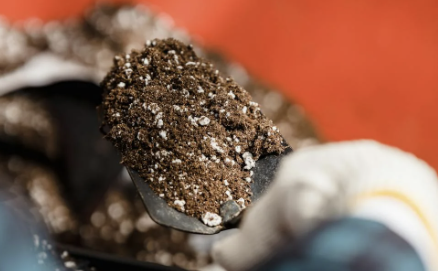
Soil bugs are any insects that live in or on your soil. They range from fungus gnats and soil mites to black vine weevil larvae and even fruit flies. Some are beneficial, helping with healthy root growth, while others can damage plant roots or sap from your plants.
Understanding the difference is the first step in proper care.
Why Are There Bugs in My Plant Soil?
Bugs are usually drawn to moist soil, organic matter, and dead leaves.
New plants from garden centers may already have insects.
Overwatering or poor drainage creates the perfect environment for pests.
Seasonal changes and growing season conditions can suddenly make insects more visible.
Even a small number of pests can multiply quickly if the conditions are right.
Common Bugs Found in Soil
Tiny White Bugs
These are usually soil mites or fungus gnat larvae. They often live in the top layer of soil and feed on decaying plant matter.
Fungus Gnats
Fungus gnats lay eggs in damp soil. The larvae feed on plant roots, which can affect plant growth if there are large numbers.
Black Vine Weevil & Other Soil-Dwelling Insects
These insects can damage roots and stunt plants. They lay eggs in soil, causing future pest issues if unchecked.
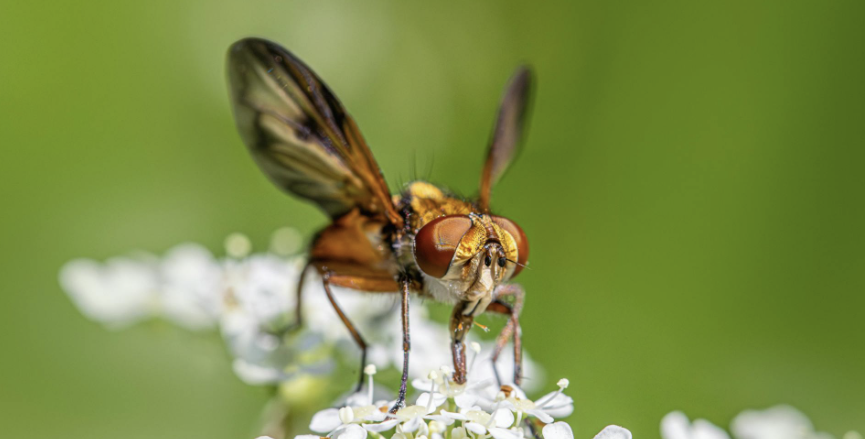
Shore Flies and Fruit Flies
Mostly found in indoor plants with moist soil. They don’t usually harm plants but are annoying.
Beneficial Soil Bugs
Some insects, like predatory mites or nematodes, help control pest populations and improve soil health.
How to Identify Soil Bugs by Plant Symptoms
You can often tell which insects are present by observing your plant:
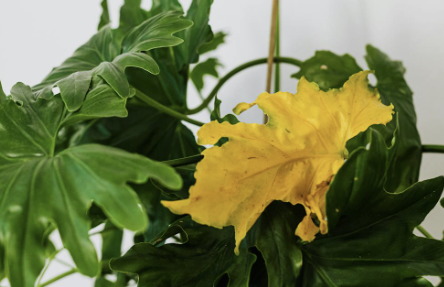
Yellow leaves, wilting, or stunted growth may indicate root-feeding insects.
Sticky substance, sooty mold, or leaf miners point to sap-sucking insects.
Adult flies or tiny white bugs on the soil surface suggest fungus gnats or shore flies.
Early detection is crucial to prevent large infestations.
Why You’re Suddenly Noticing Soil Bugs
Sometimes, it’s not a new infestation. You’re just noticing them because:
Soil moisture increased
Indoor plants were moved to brighter spots
Organic matter, like dead leaves or plant sap, attracts pests
A little inspection goes a long way.
How to Get Rid of Bugs in Soil
Natural Methods
Hydrogen peroxide solution
Hydrogen peroxide acts as a mild antiseptic and disinfectant for soil.
Diatomaceous earth
Sprinkle on the soil surface to absorb moisture and damage bug shells.
Let soil dry out
Fungus gnats and larvae cannot survive long in dry soil.
Beneficial nematodes
Eat soil-dwelling insects naturally.
Neem oil or insecticidal soap
Effective for visible pests on soil or plant leaves.
Physical & Environmental Methods
Repot in fresh soil with drainage holes.
Remove dead leaves and organic matter.
Move plants to bright, warm spots with good airflow.
Use yellow sticky traps to catch adults.
Chemical Methods (Use Sparingly)
Only use harsh chemicals for large infestations.
Repeat applications if needed but avoid overuse, which can harm the soil ecosystem.
Houseplant Soil Bugs vs Garden Soil Bugs
Indoor plants: Fungus gnats, soil mites, and shore flies are most common.
Outdoor plants: Beetles like Colorado potato beetle, aphids, and squash bugs may be present.
Knowing the difference helps target treatments and prevent future problems.
How to Prevent Soil Bugs
Inspect new plants before bringing them home.
Keep soil well-drained and avoid constant dampness.
Remove dead leaves and plant debris promptly.
Introduce beneficial insects or companion plants to naturally reduce pests.
Monitor soil moisture carefully; don’t overwater.
When Soil Bugs Are Actually Good
Some soil insects are beneficial:
They help with aeration of the soil.
Support healthy root growth.
Keep harmful pests under control.
A small number of insects can be a most amazing addition to your indoor or garden soil ecosystem.
Debugging Potting Soil: Step by Step
Identify the pest: tiny white bugs, fungus gnats, soil mites, or adult flies.
Remove affected soil and check the plant’s roots.
Apply mild remedies like diatomaceous earth or hydrogen peroxide.
Repot if necessary and improve drainage.
Monitor new growth for signs of reinfestation.
FAQ
What are the little bugs in my soil?
Tiny bugs are usually fungus gnats, soil mites, or other soil-dwelling insects.
Do coffee grounds get rid of aphids?
No, coffee grounds do not control aphids and may harm soil pH.
How to get rid of tiny bugs that look like specks of dirt?
Use hydrogen peroxide solution, diatomaceous earth, or allow soil to dry out.
Are soil mites harmful to humans?
No, they mainly feed on decaying plant matter and do not bite.
What do soil mites look like?
They are pear-shaped, very small, and often barely visible with the naked eye.
What are the tiny bugs that look like brown specks of dirt?
Usually fungus gnat larvae or soil mites.
Is soapy water good for killing aphids?
Yes, mild insecticidal soap works well for soft-bodied insects like aphids.
Why should coffee grounds not be used in the garden?
They can change soil pH and attract unwanted pests.
What does vinegar do to aphids?
It can kill aphids but may also harm your plants.
How to get rid of soil mites naturally?
Reduce soil moisture, remove dead leaves, use diatomaceous earth, or introduce beneficial nematodes.
What is a soil bug?
Any insect living in soil, including both pests and beneficial insects.
Can aphids come from potting soil?
Rarely; aphids usually arrive from infested plants rather than the soil itself.
Tiny bugs in soil are a normal part of both indoor and garden ecosystems. With proper care, early detection, and natural methods, you can manage pests without harming your plants. Regular inspection, well-drained soil, and mindful watering are your best defences.