
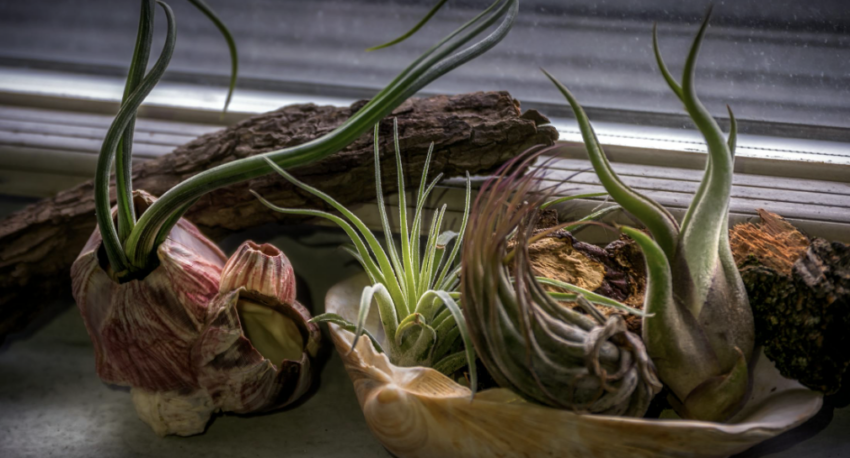
Air plants are some of the most unique plants you can grow. They look fun, feel light, and don’t even need soil. So, it’s easy to see why they’ve become so popular in recent years.
Even better, they are simple to care for once you understand what they need. So, if you want something a little different, air plants are a great way to start.
Background
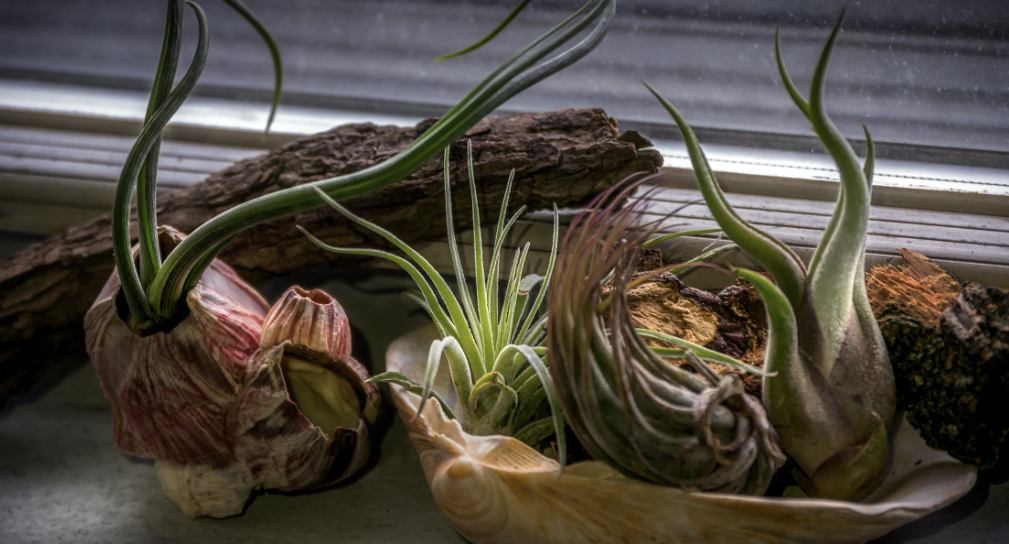
Air plants, also called tillandsia spp, are part of the bromeliad family. Unlike most indoor plants, they do not grow in soil.
Instead, they grow on tree branches, rocks, or other surfaces in their natural habitat. You’ll often find them in South America and warm, humid environments.
They absorb water and nutrients through their leaves, not their roots. Their roots are mainly used to hold onto a host plant. So, this is why good airflow and the right moisture matter so much.
Types of Air Plants
There are many types of air plants, and each one has its own look. Some popular ones include tillandsia ionantha, tillandsia xerographica, and tillandsia bulbosa.
You’ll also find tillandsia brachycaulos and even spanish moss. In general, they fall into two groups. Mesic air plants like more moisture, while xeric air plants prefer drier air.
So, knowing your type helps you get the best results.
Is Air Plants Care Similar to Other Houseplants?
Not exactly, but there are some similarities. Like most indoor plants, they still need light, water, and warmth.
However, they don’t need soil, which makes them very different. So, once you adjust your care routine, they are actually quite easy.
Where to Grow and How to Style Air Plants
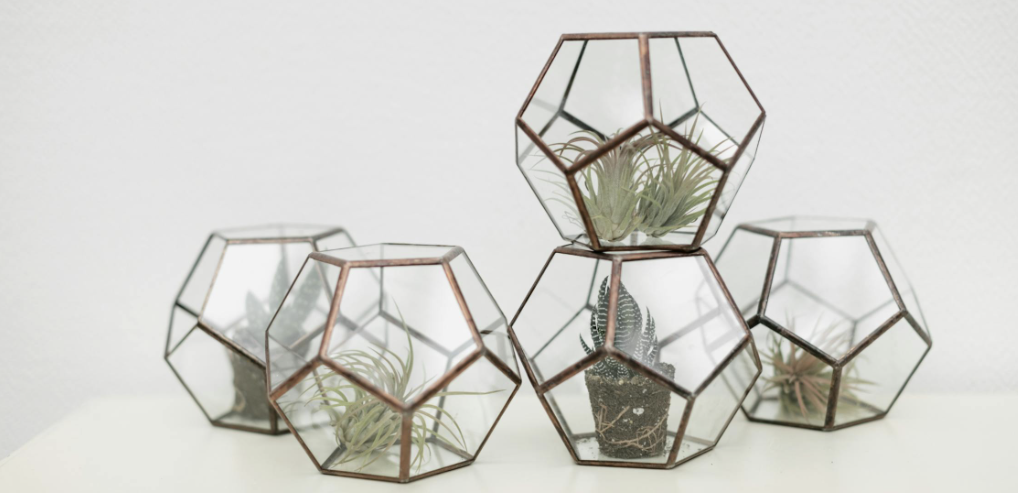
One of the best things about air plants is how easy they are to style. You can place them in glass terrariums, hang them, or display them on wood.
They look amazing on book shelves, desks, or even mounted on branches of trees. Just make sure there is good air circulation.
Avoid closed containers with no airflow, as this can trap excess moisture.
Light
Air plants love bright light and indirect sunlight. A spot near east-facing windows is often perfect.
They can handle some morning sun, but avoid hours of hot sun. Too much direct light can cause leaf damage.
If your plant looks dull or stretched, it may need more light.
Water
Watering is the most important part of air plant care. The best way is to give your plant a good soak.
Place the entire plant in a water bath for about 20–30 minutes. Do this once a week, or more often in low humidity.
Use room-temperature water, and if possible, use rain water or distilled water. Tap water can sometimes cause brown leaf tips.
After soaking, shake off excess water and let the plant dry upside down. This stops water sitting at the base of the plant, which can cause rot.
Temperature
Air plants like warm conditions. They grow best between 50–90 degrees.
Keep them away from cold drafts and extreme heat. A stable indoor space works well.
Humidity
Humidity plays a big role in air plant health. They enjoy a humid environment with good airflow.
If your home has low humidity, you can mist them with a spray bottle between soaks. This helps prevent dehydration.
Fertiliser
Air plants don’t need much feeding, but a little can help. Use a bromeliad or air plant fertiliser at recommended strength.
Feed once a month during the growing season. This supports healthy growth and blooming.
Soil
Air plants do not need soil at all. In fact, soil can harm them by trapping too much moisture.
So, always keep them soil-free.
Repotting
There is no need to repot air plants. Since they don’t grow in soil, this step is not needed.
However, you can move them to new displays as they grow.
Pruning
Pruning is simple. Just remove dead leaves or dried tips using clean scissors.
If you see brown leaf tips, you can trim them carefully. This helps keep the plant looking neat.
Propagation
Air plants grow baby air plants, also called pups. These form at the base of the parent plant.
Once the pup is about one-third the size of the mother plant, you can gently remove it. This gives you new plants to grow or share.
Seasonal Care
During warmer months, your plant will need more water and light. Growth is faster during this time.
In cooler months, reduce watering slightly. Always adjust care based on the time of year and your home conditions.
Air Plants Benefits
Air plants are a fun way to add greenery to your space. They are easy to move, easy to style, and need little space.
They can also help improve air quality and create a calm, relaxing feel in your home.
How to Encourage Blooming
Air plants bloom once in their life cycle. The bloom can be bright and beautiful.
To encourage blooming, give enough light, regular feeding, and proper watering. Warm conditions also help.
After blooming, the parent plant will slowly fade, but it will produce pups first.
Common Problems with Air Plants
If your plant looks dry or has curly leaves, it likely needs more water. This is a sign of dehydration.
Brown leaf tips can be caused by tap water or low humidity. If the base turns soft, it may be due to excess water.
So, always balance moisture and airflow.
Pests
Air plants can sometimes get common pests like scale insects. Check your plant often.
If needed, rinse the plant and treat gently. Keeping plants clean helps prevent issues.
Diseases
The main issue is rot from excess moisture. This usually happens when water sits at the base of the plant.
So, always dry your plant properly after watering.
Are Air Plants Pet Friendly?
Yes, air plants are generally safe for pets. This makes them a great choice for pet owners.
FAQ
How often do you water an air plant?
Usually once a week. In dry homes, you may need to water more often.
What is the lifespan of an air plant?
They can live for several years. They also produce pups, so the life continues.
How do I keep an air plant alive?
Give enough light, regular soaking, and good airflow. These are the key basics.
Should I cut the brown tips off my air plant?
Yes, you can trim them carefully. This helps improve the look of the plant.
Can I soak my air plants in tap water?
You can, but distilled water or rain water is better for long-term health.
Where is the best place to put an air plant?
Near bright, indirect light with good airflow. Avoid dark or closed spaces.
Do air plants like to be touched?
Occasional handling is fine. Just be gentle to avoid leaf damage.
How many times will an air plant bloom?
Only once. After blooming, it produces pups before it fades.