
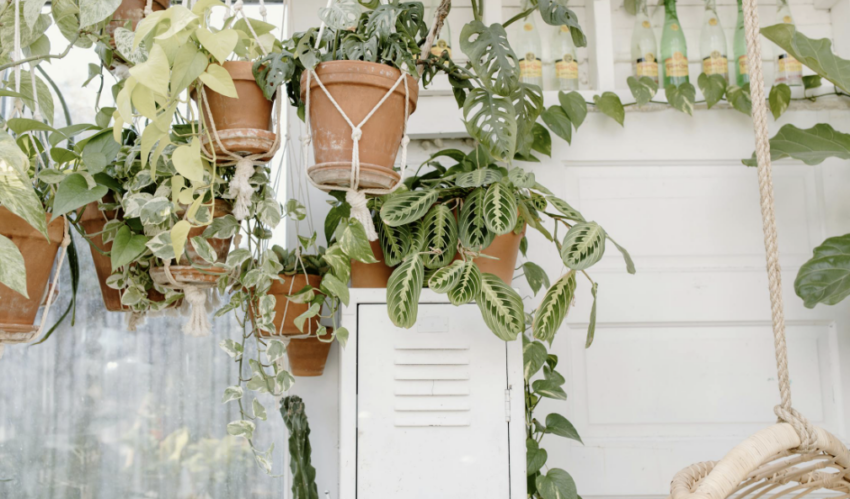
Indoor vine plants are a beautiful way to bring more greenery into your home without taking up lots of floor space. They can trail from shelves, hang from baskets or climb upwards with the help of a trellis or moss pole.
There are so many indoor vines to choose from, but they don’t all have the same needs. Some are fast-growing and easy to care for, while others prefer bright light and a little more attention. You can also find indoor vine plants that are perfect for low-light rooms, small spaces and hanging displays.
In this guide, I’ve rounded up 23 of the best indoor vine plants, including popular houseplant vines and some more unusual choices. I’ll also explain which plants are easiest to grow, which grow long vines, which are best for low light and how to choose the right vine for your home.
What Are Indoor Vine Plants?
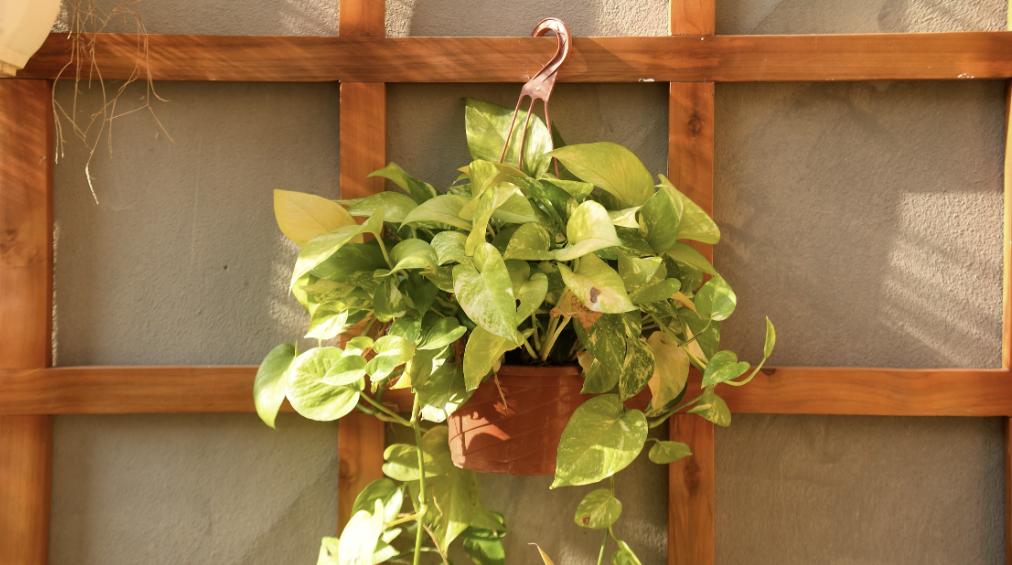
Indoor vine plants are houseplants that produce long, flexible stems that either trail downwards or climb upwards with support.
Some indoor vines naturally cascade from hanging baskets and shelves, while others are climbing plants that prefer a moss pole, trellis or another support.
There are many different types of vine plants, from fast-growing pothos and heartleaf philodendrons to delicate string plants and colourful flowering vines.
The best indoor vine plants can also work well in small homes because they make use of vertical space rather than taking up lots of floor space.
Types of Indoor Vine Plants
Not all indoor vine plants grow in the same way. Understanding their growth habit can help you choose the right plant for your space.
Trailing vine plants
Trailing plants produce long stems that naturally hang downwards. They look especially good in hanging baskets, on shelves or on top of bookcases.
String of hearts, string of pearls, string of turtles and pothos are all good examples of trailing indoor vines.
Climbing vine plants
Climbing plants use stems, aerial roots or other structures to grow upwards. You can give them support with a moss pole, trellis or plant stakes.
Monstera adansonii, heartleaf philodendron and Florida Ghost are good examples of indoor vining plants that can be trained to climb.
Succulent vines
Some of the most unusual indoor vines are actually succulents. They store water in their leaves, so they usually need less frequent watering than tropical vines.
String of pearls, string of dolphins, string of hearts and silver dollar vine all fall into this group.
Flowering indoor vines
If you want more than foliage, there are also indoor flowering vine plants. Lipstick plant and Hindu rope plant can produce attractive flowers when they receive the right care.
These plants are a great choice if you want your houseplant vines to add both colour and greenery to your home.
Why You Should Have Vine Plants in Your Home
There are many reasons to love indoor vine plants.
First, they bring instant lush greenery into your living space. Their trailing vine shape makes rooms feel softer and more natural.
Also, they are very flexible. You can grow them in a hanging basket, train them up a moss pole, or let them trail along shelves.
On top of that, many are easy care and adapt well to indirect light or even low light conditions.
So, if you want a plant that looks good without too much effort, houseplant vines are a perfect choice.
How to Style Indoor Vine Plants
Styling vine plants is simple, but it can make a big difference.
You can let long vines hang down from shelves or baskets for a relaxed look. Or, you can train them to climb using a moss pole or wall hooks.
They also work well around windows, where they can enjoy bright light without too much direct sun.
For best results, try mixing different types to create a full collection of vining plants with different textures and leaf shapes
23 Best Indoor Vine Plants
1. Arrowhead Plant (Syngonium podophyllum)
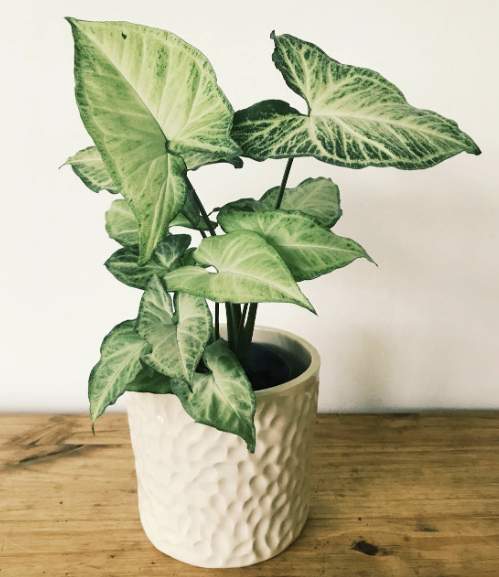
The arrowhead plant has soft, heart-shaped leaves and may produce small white flowers. It starts compact but slowly turns into a trailing vine as it matures. This makes it a great choice for shelves or hanging baskets. It grows well in many indoor spaces and is a popular plant for beginners.
Difficulty: Easy
Care requirements: Indirect light to low light. Water when top soil feels dry (about once a week) and moderate humidity. Well-draining soil, drainage holes required.
2. String of Watermelon (Senecio herreanus)
The string of watermelon has plump, striped leaves that look like tiny watermelons. It may produce small white flowers, although it is mostly grown for its unique leaf pattern. It adds texture and interest to any plant collection.
Difficulty: Easy
Care requirements: Bright indirect light, water every 7–10 days, dry soil between watering, well-draining succulent mix, avoid overwatering
3. Million Hearts Plant (Dischidia ruscifolia)
The million hearts plant has many tiny heart-shaped leaves that cascade softly from the pot. It may produce small white flowers and is a great plant if you want a soft, romantic look indoors. It prefers steady conditions and does best once settled.
Difficulty: Easy to moderate
Care requirements: Bright indirect light, water once a week, higher humidity, light airy soil, avoid dry air
4. Creeping Fig
This plant has small, dense leaves and naturally clings to walls or supports. It rarely flowers indoors but creates a strong green wall effect over time. It is often used for vertical indoor plant displays.
Difficulty: Moderate
Care requirements: Indirect light, keep soil slightly moist, high humidity, regular watering, good drainage required
5. String of Turtles
The string of turtles is a small, unusual trailing vine with round, turtle-shell patterned leaves. It grows slowly and looks beautiful cascading from shelves or hanging planters. It prefers bright, indirect light and well-draining soil.
Difficulty: Easy to moderate
Care requirements: Bright, indirect light, water when the soil dries out, warm temperatures, well-drained soil
6. English Ivy (Hedera helix)
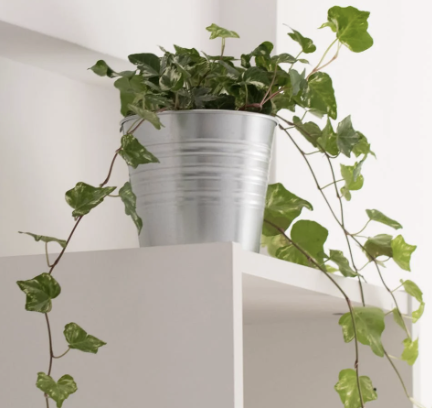
A classic trailing vine with elegant, structured leaves. It rarely flowers indoors but brings a timeless, traditional look to indoor spaces. It prefers cooler environments compared to most tropical vines.
Difficulty: Easy to moderate
Care requirements: Indirect light, cooler temperatures, water weekly, moist but well-drained soil
7. Florida Ghost (Philodendron pedatum)
The Florida ghost plant is known for its pale, almost white new leaves that slowly turn green. It is mostly grown for its unique foliage rather than flowers. It climbs well with support and adds a bold look to indoor spaces.
Difficulty: Moderate
Care requirements: Bright indirect light, water when top soil dries, high humidity, moss pole recommended, well-draining soil
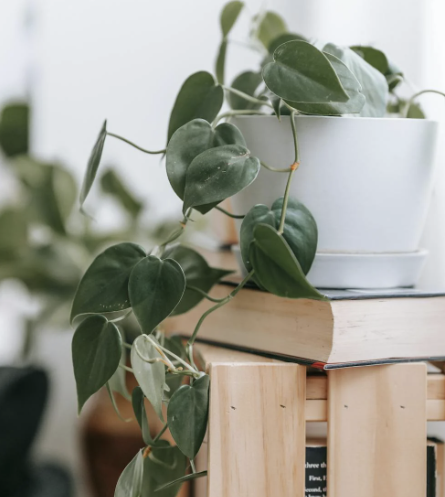
8. Heartleaf Philodendron (Philodendron hederaceum)
This is one of the most popular indoor vine plants. It has soft, heart-shaped leaves and trails easily from pots or shelves. It rarely flowers indoors but is very reliable and forgiving.
Difficulty: Very easy
Care requirements: Low to indirect light, water weekly, average humidity, well-draining soil, very adaptable plant
9. Hindu Rope Plant (Hoya carnosa ‘Compacta’)
The Hindu rope plant has thick, twisted leaves that grow along trailing vines. It produces clusters of pink, star-shaped flowers with a sweet scent. It grows slowly but is long-lasting and very rewarding.
Difficulty: Easy
Care requirements: Bright indirect light, water every 7–10 days, allow soil to dry slightly, well-draining soil, stable conditions preferred
10. Jade Vine
This tropical climbing vine is known for its rare blue-green flowers, although it rarely blooms indoors. It has a strong, exotic appearance and needs high humidity to thrive.
Difficulty: Hard
Care requirements: Bright light, high humidity, consistent moisture, warm temperatures, nutrient-rich soil
11. Lipstick Plant
This trailing vine produces bright red flowers that grow from dark tubes, looking like lipstick. It is very eye-catching and works well in hanging baskets.
Difficulty: Moderate
Care requirements: Bright indirect light, water weekly, high humidity, warm temperatures, well-draining soil
12. Maidenhair Vine
A soft, delicate vine with fine stems and tiny leaves. It rarely flowers indoors but creates a light, airy look in any space. It needs stable humidity to stay healthy.
Difficulty: Moderate
Care requirements: Indirect light, higher humidity, water when top soil dries, gentle watering routine
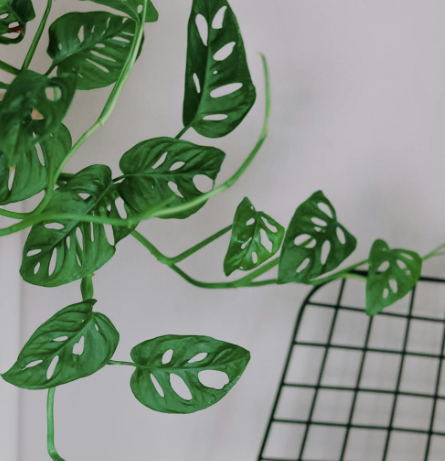
13. Monstera Adansonii (Swiss Cheese Vine)
This popular vine has unique hole-filled leaves and climbs using aerial roots. It may produce flowers in ideal conditions but is mostly grown for its dramatic foliage.
Difficulty: Moderate
Care requirements: Bright indirect light, water weekly, moss pole support, high humidity, well-draining soil
14. Monstera Deliciosa (Swiss Cheese Plant)
While often grown as a large indoor plant, Monstera Deliciosa can also climb as a vine. It produces white flowers in the right conditions but is mainly loved for its bold, split leaves.
Difficulty: Easy to moderate
Care requirements: Bright indirect light, water when top soil dries, moderate humidity, strong support if climbing
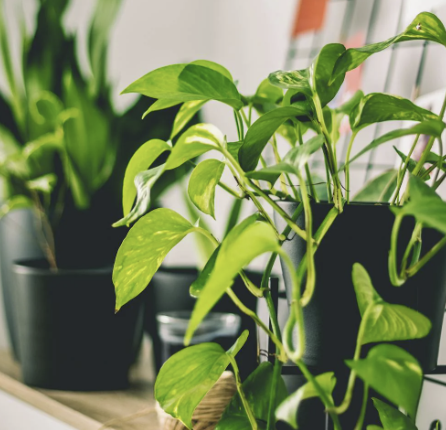
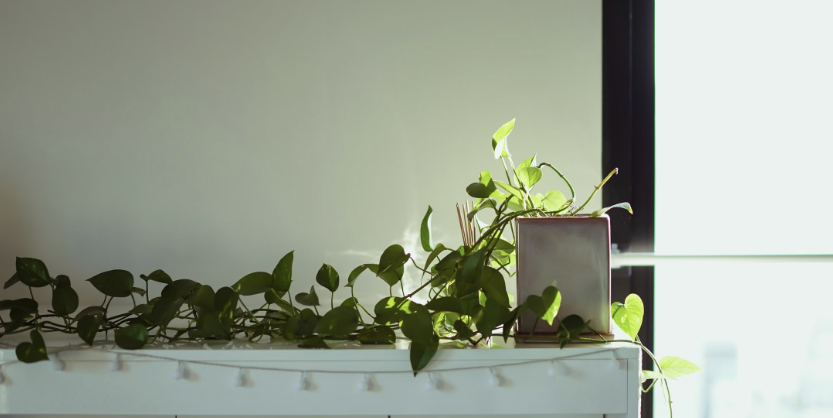
15. Pothos (Epipremnum aureum)
A classic indoor vine plant with fast growth and long trailing stems. It rarely flowers indoors but is known for being extremely easy to care for.
Difficulty: Very easy
Care requirements: Low to indirect light, water weekly, adaptable soil, very low maintenance
16. Silver Dollar Vine (Xerosicyos danguyi)
The silver dollar vine has thick, round, silver-green leaves that store water. It may produce small green flowers. It is perfect for people who prefer sculptural plants.
Difficulty: Easy
Care requirements: Bright light, dry soil between watering, well-draining succulent soil, low humidity preferred
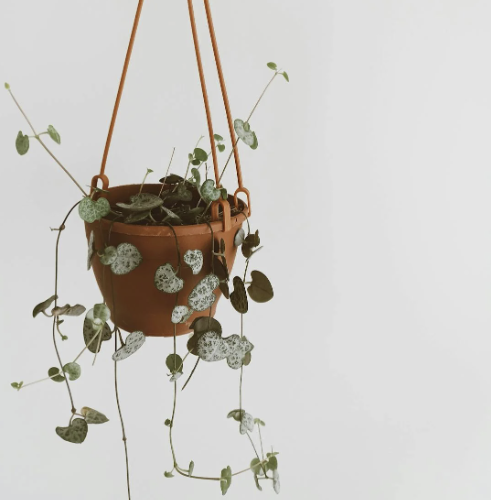
17. String of Hearts (Ceropegia woodii)
A delicate trailing vine with heart-shaped leaves and soft pink flowers. The string of hearts is very popular for hanging baskets due to its long, elegant vines.
Difficulty: Easy
Care requirements: Bright light, water every 10–14 days, dry soil between watering, well-draining soil
18. String of Pearls
The string of pearls succulent vine has round, bead-like leaves and may produce small white flowers. It is very decorative but needs strong light to stay healthy.
Difficulty: Moderate
Care requirements: Bright light, water every 10–14 days, dry soil, succulent potting mix, avoid overwatering
19. Hoya linearis
A distinctive trailing vine with long, slender leaves that create a soft, cascading effect. It can produce clusters of fragrant white flowers when mature and given the right conditions. It prefers bright, indirect light and should not be overwatered.
Difficulty: Easy to moderate
Care requirements: Bright, indirect light, water when the soil dries out, warm temperatures, well-drained soil
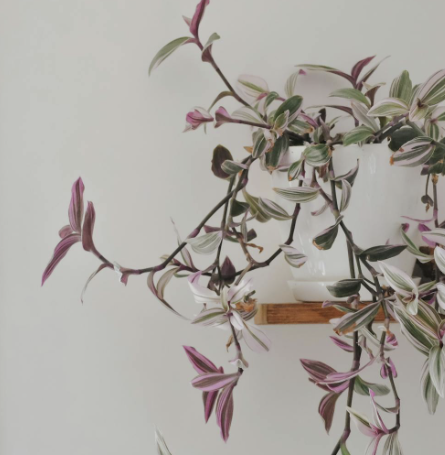
20. Tradescantia Zebrina (Wandering Dude)
A fast-growing trailing houseplant with striking purple and silver striped leaves. It creates long, cascading vines that look great in hanging baskets or shelves. It may also produce small, three-petaled pink or purple flowers in the right conditions.
Difficulty: Easy
Care requirements: Bright indirect light for best colour, can tolerate medium light, water when the top inch of soil is dry, keep soil lightly moist but never soggy, well-draining potting mix, pinch stems to encourage fuller growth and prevent legginess.
21. Wax Ivy
A glossy-leaved trailing vine that adds shine and structure to indoor spaces. It may produce small flowers in good conditions.
Difficulty: Easy
Care requirements: Indirect light, water weekly, well-draining soil, average humidity
22. Zebra Vine
This plant has striped leaves and adds pattern and contrast to plant collections. It may produce small flowers but is mainly grown for foliage.
Difficulty: Easy to moderate
Care requirements: Bright indirect light, water weekly, good drainage, stable temperatures
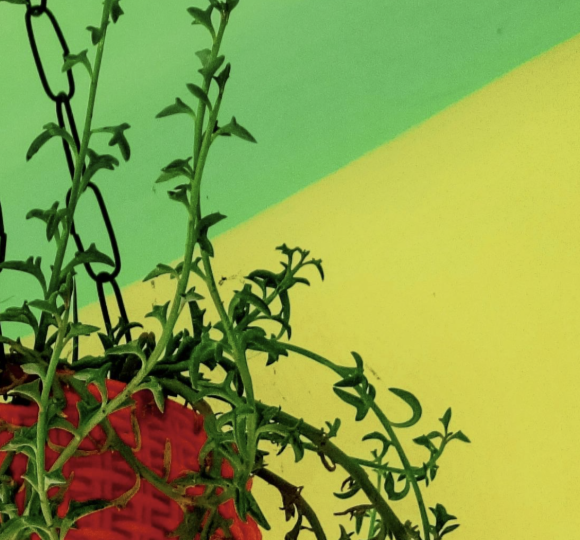
23. String of Dolphins (Senecio peregrinus)
The string of dolphins is a playful succulent vine with leaves shaped like jumping dolphins. It may produce small white flowers with a light scent. It is a fun plant for collectors and easy to enjoy once you understand its watering needs.
Difficulty: Easy
Care requirements: Bright light, water every 10–14 days, dry soil between watering, succulent mix, avoid overwatering
Best Indoor Vine Plants for Low Light
Finding indoor vine plants for low light can be tricky because most plants still need some natural light to grow well.
If your room doesn’t receive much direct sunlight, look for plants that can tolerate lower light levels rather than plants that need bright sunshine.
Pothos is one of the best choices because it can adapt to lower light and is very forgiving. Heartleaf philodendron is another good option and can produce long, trailing vines in a range of indoor conditions.
Arrowhead plants can also tolerate lower light, although their growth may be slower.
Keep in mind that low light does not mean no light. A plant placed in a completely dark room will struggle, so try to position your vine near a window or use a suitable grow light if natural light is very limited.
Fast-Growing Indoor Vine Plants
If you want long vines quickly, some plants are much faster growers than others.
Pothos is one of the best choices for fast growth, especially when it receives enough bright indirect light. Heartleaf philodendron and Tradescantia zebrina can also produce long vines fairly quickly.
English ivy can grow quickly too, although it can be a little more demanding indoors than pothos.
For the fastest growth, focus on giving your plant enough light, warmth and water. During the growing season, regular pruning can also encourage new growth and help create a fuller plant.
Remember that fast-growing vines may need more frequent pruning and support as they get longer.
Easy Indoor Vine Plants for Beginners
If this is your first time growing an indoor vine plant, you don’t need to start with something difficult.
Pothos, heartleaf philodendron and arrowhead plants are all good beginner-friendly choices. They are adaptable, forgiving and don’t need complicated care routines.
If you prefer something unusual, string of hearts is another relatively easy option as long as it receives plenty of light and isn’t overwatered.
The best plant for you will depend on your room. Before choosing a vine, think about how much light you have and how often you are realistically able to water it.
How to Grow Vines Indoors
Growing vines indoors is generally easy, but the right conditions will help your plant produce longer, healthier growth.
Give your plant enough light
Most indoor vines prefer bright, indirect light. However, some plants can tolerate lower light, while succulent vines usually need much brighter conditions.
If your plant becomes stretched, sparse or starts producing smaller leaves, it may need more light.
Don’t overwater
One of the biggest problems with indoor vine plants is overwatering.
Rather than watering on a strict schedule, check the soil first. If the top layer feels dry, it may be time to water. Plants with succulent leaves usually need to dry out more between waterings.
Always use a pot with drainage holes so excess water can escape.
Give climbing plants support
Some vining plants look best when allowed to climb. A moss pole, trellis or plant support can give the stems something to grow against.
Monstera and philodendrons can produce larger, more impressive foliage when they have suitable support.
Prune long vines
If your plant is becoming long and sparse, don’t be afraid to prune it.
Cutting just above a node can encourage new growth further along the stem. Regular pruning can help create a fuller, bushier plant rather than one with a few very long vines.
Be patient with new growth
Some vine plants grow quickly, while others are naturally slow. Temperature, light, watering and the time of year can all affect growth.
During the growing season, you will usually see more active growth than during the darker winter months.
Which Indoor Vine Plant Is Best for You?
The best indoor vine depends on what you want from your plant.
If you want a low-maintenance vine, choose pothos or heartleaf philodendron.
For a low-light room, pothos, heartleaf philodendron and arrowhead plant are good options.
If you want fast-growing vines, pothos, heartleaf philodendron and Tradescantia zebrina are worth considering.
For a hanging basket, string of hearts, string of pearls, string of dolphins and lipstick plant all look beautiful as they trail downwards.
If you want a climbing plant, try Monstera adansonii, Florida Ghost or heartleaf philodendron and give it suitable support.
For something unusual, try string of turtles, Hindu rope plant, silver dollar vine or string of dolphins.
And if flowers are important to you, lipstick plant and Hindu rope plant can add colour as well as trailing foliage.
Indoor Vine Plant Identification
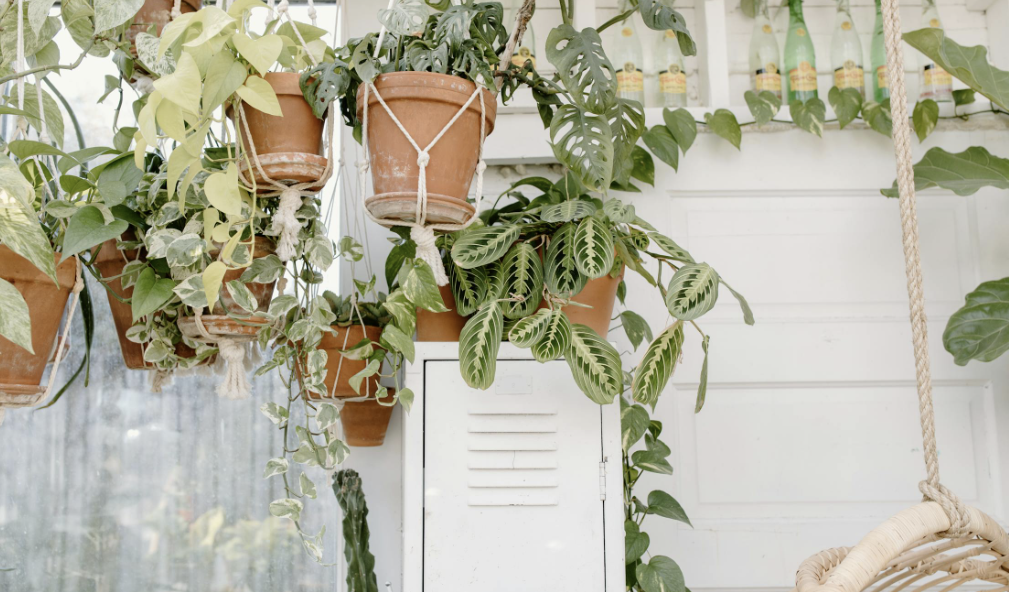
Not sure which vine plant you have? Start by looking at the leaves, growth habit and stem.
Heart-shaped leaves are common on pothos and heartleaf philodendrons, but pothos usually has thicker, more substantial leaves while heartleaf philodendron has softer, thinner foliage.
Arrowhead plants have distinctive arrow-shaped leaves when mature, making them easier to identify.
String of hearts has small, heart-shaped leaves arranged along thin trailing stems. String of pearls has round, bead-like leaves, while string of dolphins has curved leaves that resemble tiny jumping dolphins.
Monstera adansonii is easy to recognise by the holes in its leaves. Tradescantia zebrina has colourful purple and silver striped leaves.
If your plant has thick, twisted leaves growing along a trailing stem, it may be a Hindu rope plant.
Looking at the overall growth pattern can also help. A plant that naturally hangs down is likely to be a trailing vine, while a plant producing aerial roots or clinging stems may be a climbing vine.
If you still can’t identify your plant, compare its leaf shape, colour, stem and growth habit with the plants in the list above.
Which Indoor Vine Plant Should You Choose?
Indoor vine plants are a great choice if you want to add plenty of greenery without needing lots of floor space. With so many different shapes, colours and growth habits to choose from, you can find a vine to suit almost any room.
If you want something easy and low maintenance, I’d recommend pothos or heartleaf philodendron. They are both forgiving plants that can produce long, trailing vines without needing complicated care.
For low-light rooms, pothos is one of my top choices. Heartleaf philodendron and arrowhead plants are also worth considering, although remember that low light does not mean no light.
If your main goal is long, fast-growing vines, pothos, heartleaf philodendron and Tradescantia zebrina are great options. They can produce plenty of growth when given the right light and growing conditions.
For a hanging basket or shelf, I’d choose string of hearts, string of pearls or string of dolphins. Their trailing stems can create a beautiful cascading display.
And if you want something a little more unusual, string of turtles, Hindu rope plant and Florida Ghost are well worth adding to your collection.
The best indoor vine plant ultimately comes down to your space and how much care you want to give it. Start by looking at the light available in your home, then choose a plant that suits those conditions. Once you’ve found the right match, a trailing or climbing vine can completely transform a room.
Frequently Asked Questions About Indoor Vine Plants
What are the best indoor vine plants?
Some of the best indoor vine plants include pothos, heartleaf philodendron, arrowhead plant, string of hearts, Monstera adansonii and Tradescantia zebrina. The best choice depends on your light levels, available space and how much care you want to provide.
What indoor vines grow the fastest?
Pothos, heartleaf philodendron and Tradescantia zebrina are among the faster-growing indoor vines. Give them enough light, warmth and water to encourage healthy growth.
What is the best indoor vine for low light?
Pothos is one of the best choices for a lower-light room because it is adaptable and easy to care for. Heartleaf philodendron and arrowhead plants can also tolerate lower light.
What indoor vine plants are easy to grow?
Pothos and heartleaf philodendron are two of the easiest vine houseplants to grow. They are adaptable and forgiving, making them good choices for beginners.
How do I identify an indoor vine plant?
Look at the shape, colour and texture of the leaves, along with how the stems grow. Heart-shaped leaves can point to pothos or heartleaf philodendron, while strings of small heart-shaped leaves suggest string of hearts. Monstera adansonii is recognisable by the holes in its leaves.
What indoor plants grow long vines?
Pothos, heartleaf philodendron, English ivy, string of hearts and Tradescantia zebrina can all produce long trailing vines when grown in suitable conditions.
Can vine plants grow indoors?
Yes. Many climbing and trailing plants grow very well indoors. Pothos, philodendrons, ivy, string plants and several flowering vines can all be grown as houseplants.
How do I make my indoor vine plant grow fuller?
Prune long or sparse stems just above a node to encourage branching. Giving the plant enough light will also help prevent weak, stretched growth.