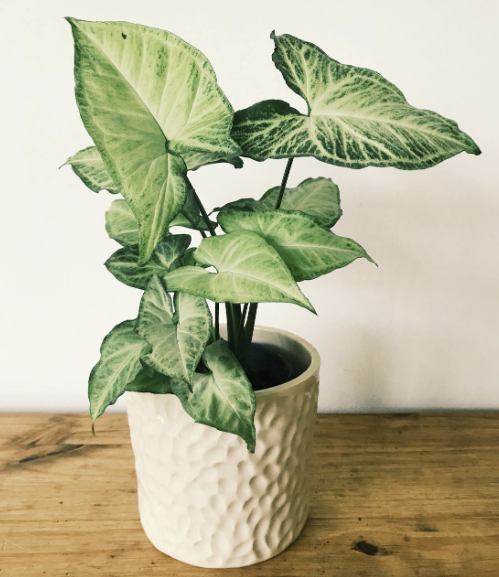
The arrowhead plant is one of those houseplants people buy once and then keep forever.
It grows fast, looks fresh, and adapts well to indoor life. If your arrowhead plant has drooping leaves, yellow spots, or slow growth, you are not alone. These plants give clear signals. You just need to know how to read them.
This guide is for beginners, busy plant owners, and anyone who wants a healthy arrowhead plant without stress. By the end, you will know exactly how to care for Syngonium podophyllum, avoid common mistakes, and enjoy steady new growth.
Background: What Is an Arrowhead Plant?
The arrowhead plant, also called arrowhead vine or goosefoot plant, is a tropical houseplant from South America. Its scientific name is Syngonium podophyllum. In its natural habitat, it grows along forest floors and climbs trees using aerial roots. Indoors, it adapts easily and becomes a compact or trailing plant.
Young arrowhead plants have soft, arrow-shaped leaves. As the plant matures, the leaves become larger and more divided. This change surprises many people, but it is normal. Because of its growth habit and attractive foliage, it remains a popular houseplant for shelves, desks, and indoor gardens.
Light: How Much Is Just Right?
Light plays a big role in arrowhead plant care. These plants grow best in bright indirect light. This means light that fills the room without hitting the leaves directly.
Too much direct sun causes problems fast.
Leaves may fade, curl, or develop brown spots. Delicate leaves burn easily when placed in strong sunlight.
On the other hand, too little light slows growth. The plant may stretch toward the light source. Leaves grow smaller and darker green.
Medium-light spots work well for most homes. East-facing windows are ideal. North-facing windows are fine too. Arrowhead plants can survive low light conditions, but growth will be slower. For best results, give enough light without harsh sun.
Water: Getting the Balance Right
Watering is where most problems start.
Arrowhead plants like moist soil, not wet soil. Always check the top inch of soil before watering. If it feels dry, it is time to water. If it still feels damp, wait.
Too much water leads to root rot. Leaves turn yellow, especially the lower leaves. The soil may stay wet for days. Too little water causes drooping. Leaves curl and lose firmness, making the plant look tired.
Always use pots with drainage holes. Let excess water drain from the bottom of the pot. This simple habit protects the plant’s roots and keeps growth steady.
Temperature: Keeping Conditions Stable
Arrowhead plants enjoy warmth. The ideal temperature range is 65°F to 80°F. They do not like cold drafts or sudden changes.
Cold air causes stress. Leaves may drop without warning. Growth slows during winter months if the plant sits near windows or doors. Too much heat dries soil faster, which increases watering mistakes.
Keep your plant away from heaters, air vents, and drafty areas. Stable temperatures help new foliage grow stronger and healthier.
Humidity: Why It Matters
High humidity supports lush growth. Dry air causes brown tips and dull leaves. This is common in heated homes.
If humidity levels are low, add extra humidity. A pebble tray under the pot helps. Grouping plants together also raises moisture in the air. Bathrooms with indirect sunlight often work well.
A humid environment keeps leaves smooth and flexible. Healthy arrowhead plants show fewer stress signs when humidity is steady.
Positioning Your Arrowhead Plant
Place your arrowhead plant where it gets indirect sunlight and stable conditions. Avoid cold drafts and harsh light. These plants adapt well to indoor spaces and work in many rooms.
You can let the plant trail from a shelf or train it upward on a moss pole. Its climbing habit makes it flexible. Both options look great and support healthy growth.
Soil: Choosing the Right Mix
Good soil prevents most care issues. Arrowhead plants need well-draining soil that holds some moisture without staying soggy. A regular indoor potting mix works well when mixed with perlite or bark.
Avoid heavy soil that traps water. The soil surface should dry slightly between watering. Healthy roots need both air and water to thrive.
Fertiliser: Feeding Without Stress
Arrowhead plants are light feeders. Too much fertilizer causes weak growth and yellow leaves. During the growing season, use a balanced liquid fertilizer once a month. Always dilute it to half strength.
Do not fertilize during winter. Growth slows naturally, and feeding can do more harm than good.
Repotting: When and How to Do It
Arrowhead plants grow quickly. Most need repotting every one to two years. Signs include roots growing from drainage holes, fast-drying soil, or stalled growth.
Choose a new container only one size larger. Always use drainage holes. Repot in early spring for best results. This gives the plant time to adjust during the growing season.
Pruning: Keeping Growth Full
Pruning helps control size and shape. It also encourages bushier growth. Trim long stems just above a leaf node. New growth forms from this point.
Remove dead or yellow leaves as needed. Save healthy cuttings if you want to propagate new plants.
Propagation: An Easy Way to Grow More Plants
Propagation is simple using stem cuttings. Choose a healthy stem with a visible leaf node. Cut just below the node using clean scissors.
Place the cutting in water or soil. Water-grown syngonium roots quickly and shows progress fast. Change water every few days. Once roots form, transfer to soil for long-term growth.
Toxicity: What You Need to Know
Arrowhead plants are toxic to pets. They can cause mouth pain, drooling, and skin irritation. Keep them out of reach of cats and dogs. Wear gloves if you have sensitive skin and wash hands after pruning.
Common Problems and Fixes
Yellow leaves usually mean too much water. Check soil moisture and drainage. Brown tips often point to low humidity. Drooping leaves suggest underwatering or stress.
Sparse growth often comes from low light. Move the plant closer to indirect sunlight. A sad-looking houseplant usually needs small care changes, not drastic ones.
Pests and Diseases
Spider mites are the most common pest. They cause tiny spots and fine webbing. Wipe leaves with fresh filtered water and use insecticidal soap if needed.
Root rot is the most serious disease. It comes from wet soil and poor drainage. Good airflow, proper watering, and drainage holes prevent most issues.
Encouraging Flowers
Arrowhead plants rarely flower indoors. Flowers are small and not decorative. Focus on healthy leaves instead. Bright indirect light and steady care keep the plant looking its best.
FAQ: Arrowhead Plant Questions Answered
What are the benefits of arrowhead plants?
They improve indoor air and add visual interest.
Do arrowhead plants need a lot of light?
No, they prefer bright indirect light.
Can an Arrowhead Plant live in water?
Yes, water-grown syngonium can thrive short term.
Is arrowhead plant toxic to cats?
Yes, keep it out of reach.
What is the arrowhead plant scientific name?
Syngonium podophyllum.
Can an arrowhead plant live outside?
Only in warm climates without frost.
Does an arrowhead plant vine?
Yes, it has a climbing vine growth habit.
Does an arrowhead plant like to be root bound?
Slightly, but repot when growth slows.
Can you put arrowhead plant in an aquarium?
Roots can grow in water, not submerged leaves.
Best soil for arrowhead plant indoors?
Well-draining potting mix with added airflow.