
Rubber plant, also known as Ficus elastica, is one of the most popular indoor plants. These rubber tree plants are loved for their glossy leaves, easy-going nature, and bold look.
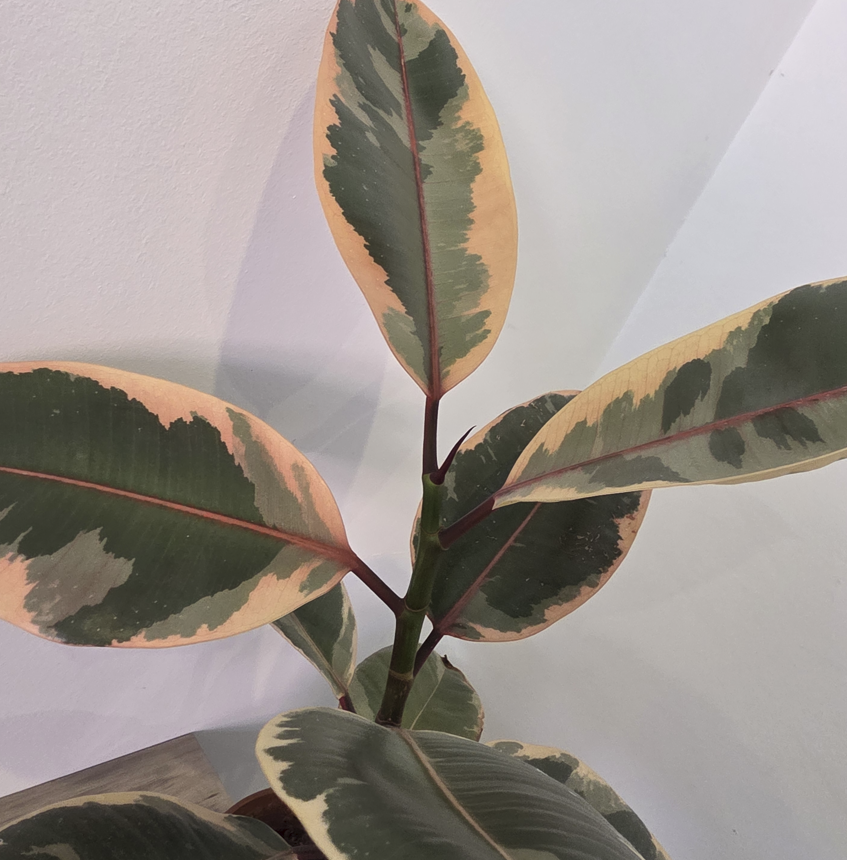
Varieties like Ficus elastica ‘Tineke’ and the ruby rubber plant bring colour with variegated green leaves and cream patterns.
In the right growing conditions, they are fast growers and produce strong new growth.
However, the secret to healthy rubber care is the soil. The wrong potting mix can lead to root rot, yellow leaves, and slow growth. The right soil supports healthy roots, strong stems, and beautiful new leaves.
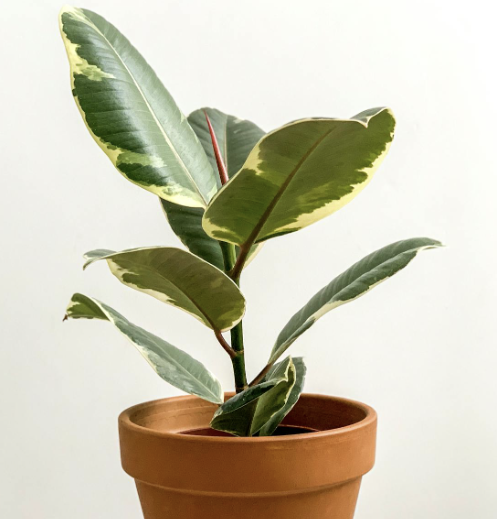
What Soil to Use for Rubber Plant
The best soil for rubber plant is a well-draining potting mix that still holds some moisture. Rubber plants like moist soil, but they do not like excess water.
A simple soil mix looks like this:
- 2 parts indoor potting mix
- 1 part perlite or coarse sand
- 1 part peat moss or coco coir
This mix creates good drainage and allows air to reach the root system. It also helps maintain the right soil moisture during the active growing season.
Rubber plants have thick leaves and strong roots. They need soil that supports steady growth without becoming soggy.
What Soil Not to Use (And Why)
Avoid heavy garden soil. It compacts easily and blocks airflow.
Do not use dense compost on its own. It holds too much water and can lead to root rot and fungal infection.
Poor soil often causes brown spots, yellow leaves, and dropping lower leaves.
Soil pH and Nutrients
These plants prefer slightly acidic to neutral soil. Most indoor potting mix options already fall in this range.
During the growing season, regular fertilization helps support new leaves and strong growth. This is especially important for variegated rubber plant types like Ficus elastica tineke.
Planting Rubber Plant in Pots
Always choose a pot with drainage holes. This prevents excess water from sitting at the bottom.
Rubber tree plants grow well in medium to large pots. They can become floor plants as they mature.
Place your plant in a bright spot with bright indirect light. An east-facing window or west-facing window works well. Use a sheer curtain to soften strong light if needed.
Do Rubber Plants Need Deep Pots?
Rubber plants prefer pots that are slightly deep to support their root system. However, avoid pots that are too large, as they hold too much water.
Choose a new pot that is only one size bigger than the current pot.
Best Time to Repot
The best time to repot is early spring or during the active growing season. This allows the plant to adjust and produce new growth.
Avoid repotting during the winter months when growth slows down.
How to Repot Rubber Plant
Gently remove the plant from its pot. Loosen the root ball and remove some old soil.
Place the plant into a new pot with fresh soil. Keep the base of the plant level with the soil surface.
Fill with new soil and press lightly. Water a little and place in bright indirect light.
How Often to Repot
Rubber plants usually need repotting every 1–2 years. If roots grow out of drainage holes or the plant dries out quickly, it is time to repot.
How to Care After Repotting
After repotting, keep the plant in a bright spot with indirect sunlight. Avoid direct full sun for a few days.
Water lightly and allow the top inch of soil to dry between watering. This helps prevent excess water and root rot.
These plants enjoy average household humidity. A pebble tray can help increase humidity if needed.
Signs the Soil Is Not Right
If your soil is not suitable, your plant will show signs.
Common problems include:
- Yellow leaves from too much water
- Brown spots from poor drainage
- Dropping lower leaves
- Slow or no new growth
Healthy rubber plants have glossy leaves, strong stems, and steady growth.
Frequently Asked Questions
What kind of soil is good for rubber plants?
Rubber plants grow best in a well-draining potting mix that holds some moisture. A mix with potting soil, perlite, and peat moss works well.
How do you make potting mix for rubber plants?
Mix two parts potting mix, one part perlite or coarse sand, and one part peat moss or coco coir. This creates a balanced soil mixture with good drainage.
Do rubber plants need deep pots?
Yes, these plants prefer slightly deep pots to support their root system. However, avoid very large pots that hold excess water.
What compost do I need for a rubber plant?
Use a high-quality indoor potting mix with organic matter. Avoid heavy garden compost that stays too wet.
Can I use orchid soil for a rubber plant?
Orchid soil can be used as part of a mix, but not on its own. Mix it with potting soil to improve drainage.
What do I need to repot a rubber plant?
You need a new pot with drainage holes, fresh soil, and basic tools. Gently loosen the root ball and place it into new soil.
Which type of soil is best for rubber?
A well-draining potting mix with added perlite or sand is best. This prevents root rot and supports healthy roots.
Do rubber plants like moist or dry soil?
Rubber plants prefer moist soil, but not wet soil. Let the top inch dry before watering again.
How often should I repot a rubber plant?
Repot every 1–2 years or when roots outgrow the pot. Fast growers may need more frequent repotting.
What can I use instead of potting mix?
You can create your own mix using compost, coco coir, and sand or perlite. The goal is a loose, well-draining soil.
Rubber plants are low-maintenance plants with a bold look. Their large, leathery leaves and glossy finish make them a perfect new plant for any space.
With the right soil mix, proper care, and enough light, your rubber plant will grow strong and produce beautiful new leaves for years to come