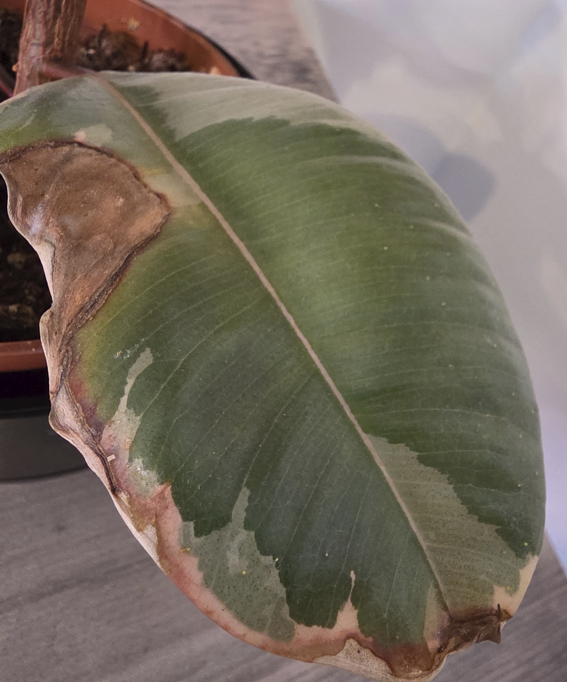
If your rubber plant (Ficus elastica) is struggling, you are not alone. This is one of the most common houseplant problems.
The good news is this. Most plants can recover with the right care routine.
So, let’s slow things down and look at what is really happening.
What a Healthy Plant Looks Like
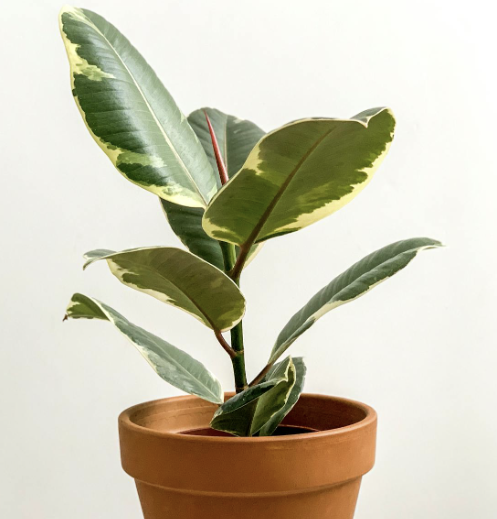
A healthy rubber plant has:
- Dark green, glossy leaves
- Steady new growth during the growing season
- Firm stems and strong root system
- Slow but consistent growth rate
It usually sits well in indirect light or bright light.
So if yours looks weak, dropping leaves, or soft, something is off.
7 Reasons Your Rubber Plant Is Dying
Let’s go step by step. This is the most important part.
1. Overwatering (Most Common Reason)
Overwatering is the number one killer of rubber plants.
When there is much water, the soil stays wet for too long.
This leads to root rot, which damages the root system.
Signs:
- Yellow or dropping lower leaves
- Soft stems
- Smelly soil at the bottom of the pot
- No new growth
Why it happens:
Poor drainage or watering too often.
2. Underwatering
Yes, too little water can also cause stress.
Rubber plants still need enough water, just not too much.
Signs:
- Dry, crispy leaves
- Curling edges
- Slow growth
3. Not Enough Light
Rubber plants need enough light to grow well.
Low light slows down growth rate and weakens the plant.
Signs:
- Small or no new leaves
- Leaning toward a light source
- Pale green colour
Best spot is a largest window with filtered light.
4. Sudden Changes in Environment
Rubber plants hate sudden changes.
This includes moving from a sunny room to low light.
Or changes in temperature near fireplaces, kitchens, or entry areas.
Signs:
- Leaf drop
- Shock after moving location
- Slower new growth
5. Spider Mites and Pests
Spider mites are very small but very harmful.
They suck sap from leaves and weaken the plant.
Signs:
- Tiny dots on leaves
- Fine webbing
- Dull or dry leaf texture
Wipe leaves with a damp cloth and isolate the plant.
6. Poor Drainage or Wrong Pot
If water does not drain, roots suffer.
Always use a pot with drainage holes.
Old soil in the original pot can also trap moisture.
Signs:
- Constantly wet soil
- Root rot signs
- Mushy roots at the bottom of the pot
7. Low Humidity and Stress
Rubber plants come from warm climates.
So low humidity and dry air can slow growth. The signs for low humidity are similar to underwatering.
Signs:
- Brown edges
- Slow or no new leaves
- Weak structure
This often happens in indoor houseplants during winter.
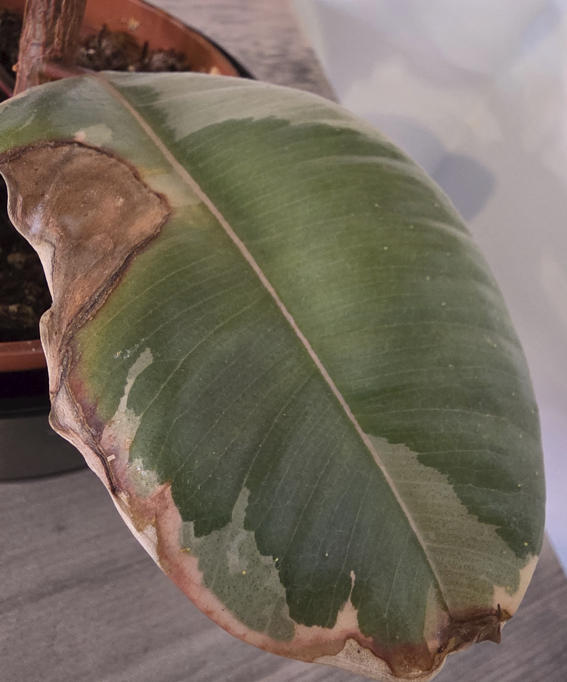
How to Save a Dying Rubber Plant
Now let’s fix it step by step.
First, check the roots.
If they are soft or black, trim dead roots.
Then repot in fresh potting mix with good drainage.
Next, move it to indirect light or bright light.
After that, adjust watering.
Only water when the top inches of soil are dry.
Finally, be patient.
New growth takes time.
Extra Care Tips
- Wipe leaves to remove dust
- Keep consistent temperatures
- Avoid overwatering in winter months
- Use a bright room or sunny room
- Rotate plant for even growth
Rubber plants respond slowly, but they do recover well.
FAQ
How to perk up a rubber plant?
Give it bright indirect light, proper watering, and remove damaged leaves.
How to tell if a rubber plant is dying?
Look for leaf drop, soft stems, root rot, and no new growth.
What does an overwatered rubber plant look like?
Yellow leaves, mushy roots, and wet soil are common signs.
Can the leaves grow back?
No, old damaged leaves do not recover, but new leaves will grow.
How to rescue a dying rubber plant?
Fix drainage, remove dead roots, repot in fresh soil, and adjust light.
What kills a rubber plant?
Overwatering, poor drainage, low light, and sudden changes are the main causes.
What is the lifespan of a rubber plant?
With proper care, it can live for many years indoors.
How to revive a my plant indoors?
Improve light, reduce watering, check roots, and keep stable conditions.