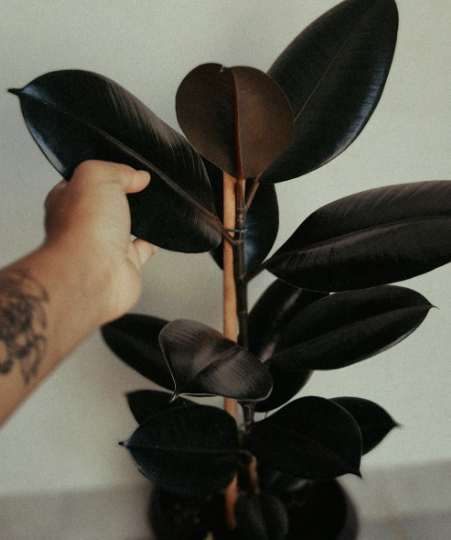
The burgundy rubber plant is one of those indoor plants that instantly stands out. Its glossy leaves and deep colour make any room feel more stylish. Many people also call it the burgundy rubber tree, rubber fig, or ficus elastica burgundy. It is part of the ficus family, just like the fiddle leaf fig.
Even though it looks like a spectacular indoor tree, it is actually quite simple once you understand its proper care.
Where Burgundy Rubber Plant Comes From
This plant comes from the warm, tropical forests of Southeast Asia. In its natural habitat, it grows as a large tree with thick branches and strong leaves.
Outdoors, it becomes a huge rubber tree plant, but indoors it stays smaller as a stylish floor plant or indoor tree.
One important thing is its milky sap or milky latex substance. This can be a mildly toxic irritant, so always be careful when pruning. It may cause skin irritation or mild discomfort if touched or ingested, including possible vomiting in pets.
Different Types Of Rubber Plants
There are a few most common varieties of rubber plants you may see in stores or big box stores.
The burgundy rubber plant has dark red-green leathery leaves and rich tones. The classic type has deep green glossy leaves. Variegated types show cream and green patterns.
All of these are part of the ficus elastica ‘burgundy’ group and are known as fast-growing plants when they get enough light.
Light requirements
Light is one of the most important parts of burgundy rubber plant care.
It grows best in bright indirect light, where it gets strong light levels but no harsh sun on the leaves. A south-facing window is ideal if the light is filtered.
A bright spot near a window or a west-facing window with soft late afternoon light also works well.
It can survive in low light, but growth becomes slow and weak. Too much direct sunlight can cause leaf burn, especially on young or new leaves.
If natural light is low, a grow light is a good idea, especially in winter months.
Watering
This plant does not like too much water.
A good rule is to water only when the top inches of soil feel dry. The soil should be lightly moist soil, not wet.
Always use a pot with a drainage hole so excess water can escape. If water sits at the bottom of the pot, it can quickly lead to root rot.
Always allow water drains fully before placing it back in its spot.
In winter months, reduce watering frequency even more, since the plant uses less water during this slow period.
Temperature and environment
This plant prefers warm and stable conditions. It grows best in normal indoor temperatures during the growing season, especially in late spring and summer months.
It does not like cold drafts, cold weather, or sudden temperature drops. These can cause leaf drop or stress.
It also does not like sudden changes in environment, so try not to move it too often.
Humidity needs
Because it is a tropical plant, it enjoys a higher humidity level.
It can still grow in normal homes, but ample humidity helps encourage healthy growth and stronger new growth.
You can mist it lightly with warm water, use a pebble tray, or group it with other plants like spider plants to increase humidity naturally.
Fertiliser
Use fertiliser during the growing season. That means early spring to late spring and summer.
Use a balanced liquid feed every two to four weeks. This supports new growth and strong blooms.
Stop feeding during winter months. The plant rests then.
Good feeding supports the plant’s nutrients and keeps leaves healthy.
Soil and pot depth
A good soil mix is essential for long-term health.
The best mix is well-draining but still slightly moisture-retaining. A good blend includes potting soil, perlite, and coco coir.
This helps prevent too much excess water around the roots and reduces root rot risk.
The pot should always have a drainage hole, and the plant should never sit in water.
A few inches of soil depth is enough for young plants, but larger rubber tree plants need deeper pots for strong root development.
Repotting
You do not need to repot often. Most plants only need a new pot every 1–2 years.
Signs it needs repotting include roots growing out of the drainage hole, soil drying too fast, or slowed healthy growth.
Spring or late spring is the best time because the plant is actively growing and adjusts better to a new environment.
Pruning
Pruning helps maintain shape and encourages new growth.
You can remove old lower leaves, leggy stems, or damaged areas.
Always use clean tools and make clean cuts. Because of the milky white sap, it is a good idea to wear gloves, especially where cuts release sap.
After pruning, you often see stronger new leaves during the next growing season.
Propagation
The easiest method is stem cuttings.
Cut a healthy stem, wipe away the milky sap, and place it in water or soil.
With time, it develops roots and becomes a new plant.
Spring and summer give the highest success because the plant is in active growth.
Seasonal care
In spring and summer, the plant grows fast and produces new leaves. This is when it needs more water and light feeding.
During winter months, growth slows. Water less, avoid feeding, and protect it from cold weather or drafts.
This simple care routine helps keep steady healthy growth year-round.
Size and growth rate
The burgundy rubber tree is a fast-growing plant when it has the right conditions.
Indoors, it can become a large indoor tree or floor plant over time. With enough light, it produces steady new growth and strong glossy leaves.
Common problems of Burgundy Rubber Plant
The most common problems include:
Root rot from too much water or poor drainage
Leaf drop from sudden changes or cold drafts
Leaf burn from too much direct sunlight
Yellow or lower leaves dropping from overwatering
Slow growth from low light or weak conditions
Most issues come from light levels or watering mistakes.
Pests
The most common pests are spider mites, scale insects, and mealybugs.
They feed on plant sap and weaken growth.
Wipe leaves with a damp cloth and use neem oil if needed. Regular checks help prevent serious problems.
Is Burgundy Rubber Plant pet friendly?
No, this plant is not pet safe.
The milky sap is a mildly toxic irritant. It can cause irritation, skin reactions, or stomach issues if eaten.
Keep it away from pets and small children for safety.
Extra Care Tips For Burgundy Rubber Plant
Keep the plant in one steady location because it dislikes sudden changes. Rotate it for even growth. Wipe leaves to keep them glossy. Avoid overwatering, especially in winter months. Consistency is the best advice for long-term success.
FAQ
How do you take care of a burgundy rubber plant?
Give it bright indirect light, careful watering, and well-draining soil with good drainage.
How often should I water my burgundy rubber plant?
Only when the top soil is dry, especially during winter months.
How do you care for a rubber plant indoors?
Keep it in bright light, avoid cold drafts, and maintain stable humidity levels.
Do rubber plants like deep pots?
Yes, deeper pots support strong root systems and healthy growth.
How fast does a burgundy rubber plant grow?
It is a fast-growing plant in warm temperatures with enough light.
Where is the best place to put a rubber plant?
A bright spot near a south-facing window or west-facing window works best.
When to repot a burgundy rubber plant?
Repot in spring when roots outgrow the pot or growth slows.