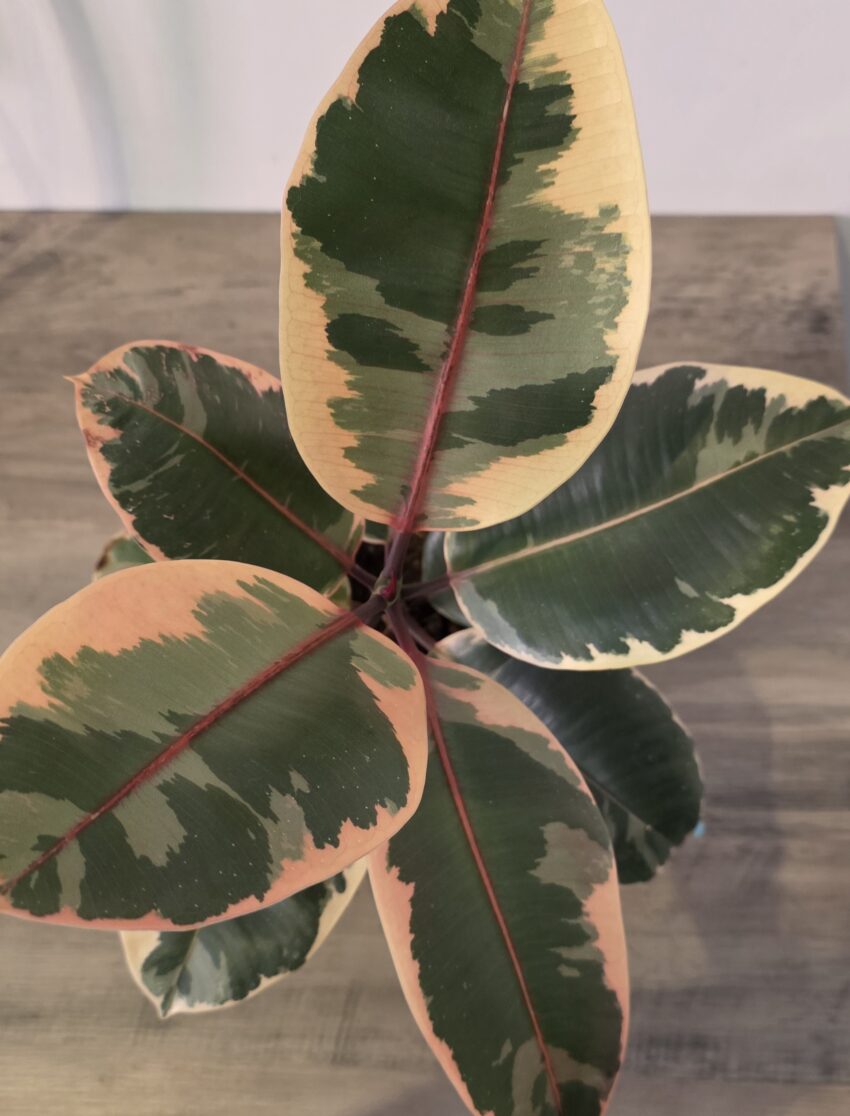
A rubber plant are one of the most popular houseplants for a reason.
With their thick leaves, glossy green leaves, and upright plant shape, they bring a bold, modern feel to any indoor space.
If your rubber plant has slow growth, yellow leaves, or dull color, the right fertilizer can make a huge difference.
This guide will help you understand when and how to feed your plant for healthy growth.
Do Rubber Plants Even Need Fertilizer?
Rubber plants do not need constant feeding, but they do benefit from it during the growing season. In their natural habitat, these tropical plants grow in rich soil with access to steady nutrients. Indoors, nutrients in the potting mix slowly run out over time.
Fertilizer helps replace those nutrients and supports new growth, stronger roots, and healthy leaves. Without it, your plant may still survive, but growth can slow and leaves may lose their shine.
Think of fertilizer as part of a balanced plant care routine, not something to use all the time.
Do Different Rubber Plant Types Need Different Fertilizer?
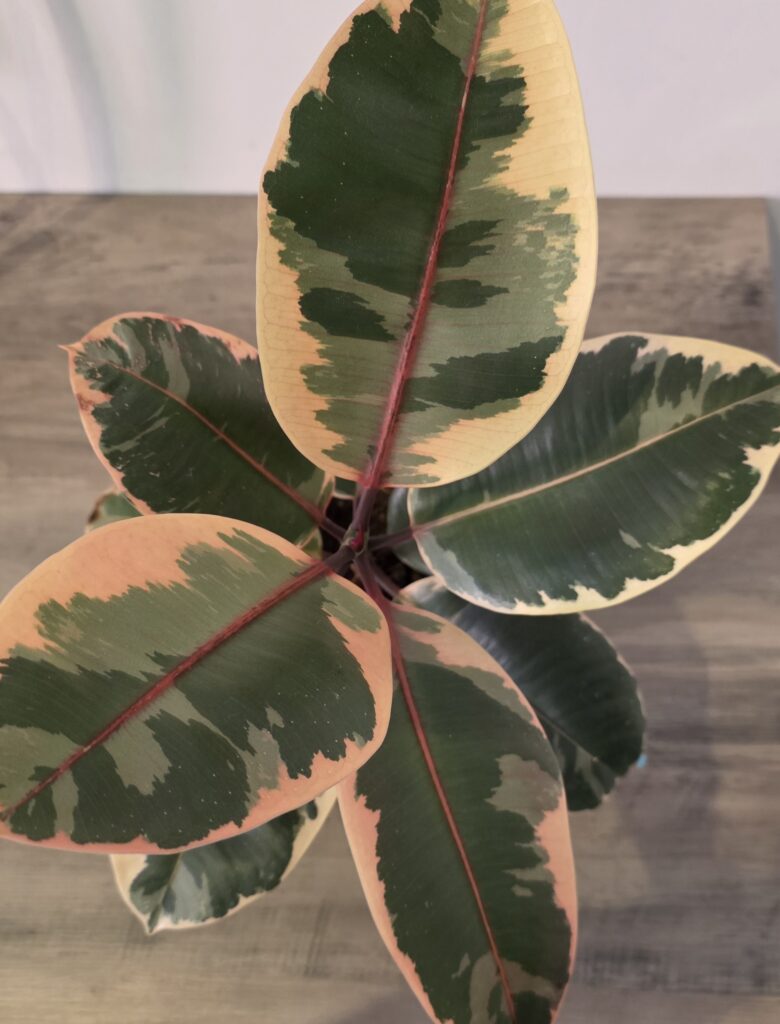
Most rubber plants, especially Ficus elastica, have very similar nutrient needs. Whether you have a variegated Tineke, a ruby rubber plant, or a standard green rubber tree, they all respond well to a balanced fertilizer used lightly.
The biggest difference is not the fertilizer itself. It is how fast the plant grows.
Signs Your Rubber Plant Is Actively Growing
The best time to fertilize is when your plant is actively growing. This usually begins in early spring and continues through the growing season into early fall.
You will notice new leaves forming at the top of the plant. These new leaves often appear lighter before darkening into rich green. Growth is more likely when the plant sits in bright indirect light or a bright spot with indirect sunlight.
In lower light conditions or during cold drafts and winter months, growth slows. Feeding should slow down too.
Can Rubber Plants Survive Without Fertilizer?
Yes, rubber plants can survive without fertilizer, especially if they are in fresh potting mix. However, over time, the plant’s nutrients become depleted.
Without feeding, growth may become slow, and leaves may appear smaller or less vibrant. Regular but light feeding during active growth helps maintain overall plant health and supports steady development.
Signs Your Rubber Plant Needs Fertilizer
A rubber plant that needs feeding may show slow growth during the growing season. New leaves may be smaller than usual, and the plant may stop producing new growth altogether.
Yellow leaves or brown spots can appear, but these are often linked to watering issues. Soggy soil, wet soil, or poor drainage holes can lead to root rot, which is the most likely cause of problems. Always check soil moisture and drainage before adding fertilizer.
Best Fertilizer for Rubber Plant
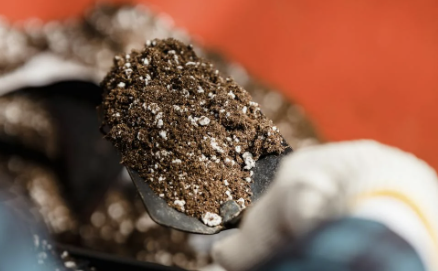
The best fertilizer for rubber plants is a balanced fertilizer that supports both leaf and root growth. A balanced N-P-K ratio such as 10-10-10 works well for most indoor plants.
Liquid fertilizer is usually the easiest option. It mixes with water and spreads evenly through the potting mix. Always dilute to half strength to avoid much fertilizer and protect the plant’s roots.
For both Ficus elastica and baby rubber plant care, a gentle feed during the growing season is enough to support healthy growth.
NPK Ratio Explained
NPK stands for nitrogen, phosphorus, and potassium. These are the essential nutrients plants need.
Nitrogen supports leaf growth, which is important for plants with large, glossy leaves. Phosphorus supports root development, and potassium helps overall plant health.
A balanced fertilizer provides steady support without pushing too much growth too quickly.
Liquid vs. Granular Fertilizer
Liquid fertilizer is ideal for indoor plants because it is easy to control and less likely to cause root burn. It also helps nutrients reach the root system quickly.
Granular fertilizers and slow-release options can work, but they must be used carefully. Too much fertilizer sitting in the soil can lead to salt buildup and damage.
For most plant enthusiasts, liquid fertilizer every 1-2 weeks during active growth is the easiest way.
Types of Fertilizers to Consider
There are many types of fertilizers available, including organic and synthetic options. Organic fertilizers improve soil health and release nutrients slowly. Synthetic fertilizers act faster but must be used carefully.
Both can work well for rubber plants. The key is using the right amount at the right time.
Natural and Homemade Fertilizer for Rubber Plants
Natural options like compost tea or diluted liquid plant food can provide a gentle nutrient boost. These are great options if you prefer natural ingredients.
Coffee grounds are often suggested, but they are not ideal. They can affect soil structure and hold too much moisture, which increases the risk of root rot. This is especially important for plants in well-draining soil.
Avoid adding raw kitchen scraps directly into the pot, as they can attract pests and harm the plant.
Organic vs. Synthetic Fertilizers
Organic fertilizers support beneficial microbes and improve soil structure over time. Synthetic fertilizers provide a quicker nutrient boost.
Both are effective when used correctly. For indoor plants, a balanced approach with a light touch works best.
When to Fertilize Rubber Plants
The best time to fertilize is during early spring through the growing season. This is when the plant is producing new leaves and actively growing.
Reduce feeding during the winter months when growth slows. Feeding during this time can lead to excess nutrients and stress the plant.
How Often to Fertilize Rubber Plants
Rubber plants usually benefit from feeding every 1-2 weeks during active growth if using diluted liquid fertilizer. If using a stronger formula, reduce the frequency.
Always adjust based on how your plant responds.
How to Fertilize Rubber Plant (Step-by-Step)
Start by checking the top inch of soil. It should be slightly moist but not soggy. Mix your fertilizer at half strength and apply it evenly to the soil.
Allow water to drain fully through the drainage holes at the bottom of the pot. Never let the plant sit in standing water.
Avoiding Fertilizer Burn
Fertilizer burn can cause brown spots, yellow leaves, or damaged roots. This happens when too much fertilizer builds up in the soil.
To prevent this, flush the soil with clean water every few months and always use diluted fertilizer.
Signs of Over-Fertilizing
Too much fertilizer can cause yellow leaves, weak growth, or leaf drop. The plant may look stressed and stop producing new leaves.
Overfeeding can also attract spider mites and other pests.
How to Fix Too Much Fertilizer
Stop feeding immediately and flush the soil with water to remove excess nutrients. If the problem continues, repot the plant into fresh potting mix with good drainage.
Allow time for recovery before feeding again.
Common Mistakes to Avoid
Common mistakes include using too much fertilizer, feeding during the wrong time, and ignoring drainage holes. Overwatering combined with fertilizer is a major cause of root rot.
Rubber plants prefer consistent care, bright indirect light, and stable humidity levels.
Frequently Asked Questions
What’s the best fertilizer for a rubber plant?
A balanced liquid fertilizer diluted to half strength works best for steady, healthy growth.
What can I feed my rubber plant with?
You can use a balanced liquid fertilizer, compost tea, or gentle organic options during the growing season.
Does a rubber plant like coffee grounds?
No, coffee grounds are not recommended. They can affect soil moisture and increase the risk of root rot.
How to perk up a rubber plant?
Move it to bright indirect light, check watering habits, improve humidity levels, and provide a light nutrient boost during active growth.
How often should I fertilise a rubber plant?
Feed every 1-2 weeks during the growing season using diluted fertilizer. Reduce feeding in winter.
What helps a rubber plant grow?
Bright light, proper watering, good drainage, and occasional feeding all support healthy growth.
How to revive a sick rubber plant?
Check for root rot, improve drainage, remove damaged leaves, and adjust light and watering conditions before feeding again.
How to thicken up a rubber plant?
Provide bright light, consistent care, and occasional feeding. Pruning and stem cuttings can also encourage fuller growth.
What feed does a rubber plant need?
A balanced fertilizer with essential nutrients supports both leaf and root development.
What is the lifespan of a rubber plant?
With proper care, rubber plants can live for many years and grow to an impressive ultimate height indoors.
Do rubber plants like shallow or deep pots?
Rubber plants prefer a pot that matches their root system. A slightly deeper pot with good drainage is ideal, but avoid a much larger pot than needed.
Rubber plants are an ideal choice for plant enthusiasts who want a bold, easy-care plant. With the right fertilizer, proper care, and a consistent routine, they reward you with glossy leaves and steady growth.
Keep things simple, avoid much fertilizer, and focus on balance. Your rubber plant will thrive.