
The Chinese evergreen is one of the easiest indoor plants you can own. It has beautiful foliage, a calm look, and an easy-going nature.
If you want a plant that looks good with little effort, Aglaonema plants are a great choice. They suit beginners and busy plant lovers. So, let’s go through everything in a simple way.
Background
The Chinese evergreen, also known as Aglaonema commutatum, is a tropical plant. It comes from warm, humid parts of Asia.
In its natural habitat, it grows under trees in indirect sunlight. So, it is used to low light and humid environments.
Because of this, it adapts well to indoor spaces and is now a popular houseplant worldwide.
Types of Chinese Evergreen
There are many types of aglaonema plants. This is part of their appeal.
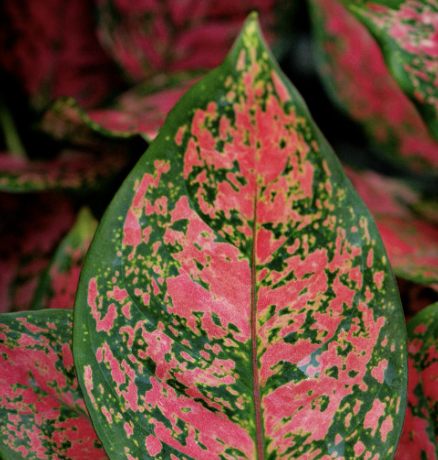
Some have deep green leaves, while others have red, pink, or silver tones.
Popular types include red aglaonema, silver varieties, and the Philippine evergreen.
So, you can easily find one that fits your plant collection.
Light
Light is important, but this plant is very flexible.
It grows well in indirect light and even low light conditions. This makes it perfect for darker rooms.
However, more light brings out more vibrant foliage, especially in red types.
Avoid direct sunlight, as it can burn the aglaonema leaves.
Water
Watering is simple once you get the balance right.
Let the top inch of soil dry before watering again. Then water well until it drains.
Too much water can lead to root rot. Too little can cause drooping or dry leaves.
So, steady and careful watering works best.
Temperature
This is a tropical plant, so it likes warmth.
Keep it in a room between 18 and 27°C. Avoid cold drafts and sudden changes.
A warm environment helps support healthy growth.
Humidity
Aglaonema enjoys humidity, but it is quite forgiving.
It can handle normal indoor air, but higher humidity supports better growth.
If your home is dry, a pebble tray or grouping plants can help.
Fertiliser
During the growing season, feeding supports new growth.
Use a half strength liquid fertiliser every few weeks.
In winter, you can stop feeding as growth slows down.
Soil And Depth
A good potting mix is key for a healthy root system.
Use a well-draining soil mix with organic matter. A mix with perlite works well.
Always use a pot with drainage holes to prevent excess water.
In terms of depth, small pots work for young plants. Mature plants need deeper pots for root development.
Repotting Chinese Evergreen
Repot every one to two years, or when the plant outgrows its pot.
You may see roots at the bottom of the pot or slower growth.
Spring or early summer is the best time to repot.
Pruning
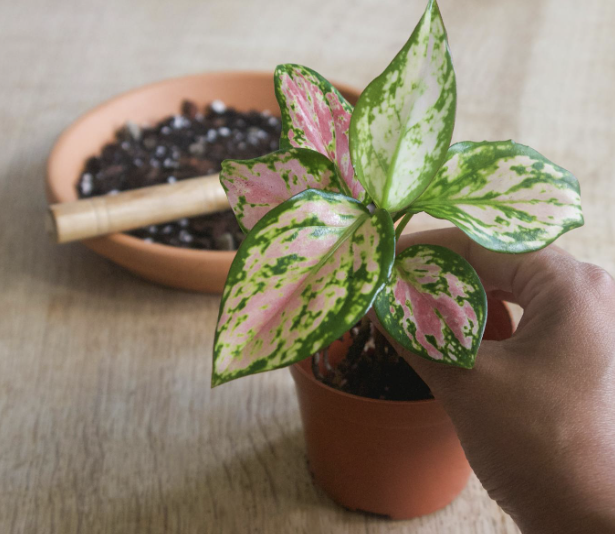
Pruning keeps your plant looking fresh.
Remove yellow or damaged lower leaves.
You can also trim older shoots to encourage new growth.
Propagation
Propagation is a great way to grow new plants.
The most common method is stem cuttings. Take a healthy stem with a leaf node.
Make a clean cut with a sharp knife or scissors.
You can place the cutting in water for water propagation or into soil.
Roots usually form in a few weeks. Then move into individual pots.
Plant division is another good method for older plants.
Seasonal Care of Chinese Evergreen
In spring and summer, the plant grows faster. It will need more water and feeding.
In autumn and winter, growth slows. So, reduce watering and stop fertiliser.
Also, keep it away from cold areas.
Size and Growth
This is a slow to medium grower.
Most plants reach around 1–3 feet indoors.
With the right care, you will see steady new leaf growth.
How to Encourage Blooming
Aglaonema can bloom, but it is not grown for flowers.
It produces small, simple blooms like a peace lily.
To encourage blooming, give it bright indirect light and proper care.
Blooms may last a few weeks, but leaves are the main feature.
Common Problems
If something looks off, there is usually a simple fix.
Yellow leaves often mean too much water.
Brown edges can come from dry air or low humidity.
Slow growth may mean not enough light.
Always check soil, light, and watering first.
Pests
Common pests include spider mites and other small insects.
You may notice dull leaves or small marks.
Wipe leaves with a damp cloth and use neem oil if needed.
Regular checks help avoid bigger issues.
Is Chinese Evergreen Pet Friendly?
No, this plant is not pet safe.
It can cause irritation if eaten. So, keep it away from pets and children.
Extra Tips for Chinese Evergreen
This is one of the easiest plants for beginners. Its ease of care makes it a favourite.
It is also great for low light rooms, which many plants struggle with.
If you are new to indoor plants, this is a great place to start.
FAQ
How often should Chinese Evergreen be watered?
Water when the top inch of soil feels dry.
Why are the leaves on my Chinese Evergreen plant turning yellow?
This is often caused by excess water or poor drainage.
Where is the best place to put Aglaonema?
A bright spot with indirect sunlight is ideal.
Do you water Chinese Evergreen at the top or bottom?
Water from the top and let excess water drain out.
What are common Chinese Evergreen problems?
Overwatering, low light, and pests are the most common issues.
Do Chinese Evergreen like big pots?
No, they prefer slightly snug pots. Too much space can hold excess water.
What is the lifespan of an Chinese Evergreen?
With proper care, they can live for many years.
Can Chinese Evergreen grow in just water?
Yes, cuttings can grow in water, but soil is better long term.
How do I revive my Chinese Evergreen plant?
Check roots, adjust watering, and move to better light.
How to reverse yellowing leaves?
Reduce watering and improve drainage.
How to make Aglaonema more red?
Give it more light, but avoid direct sun.
How to make Aglaonema bushy?
Prune regularly and propagate cuttings to fill out the pot.
The Chinese evergreen is simple, stylish, and very forgiving. Once you understand the basics, it becomes a truly rewarding plant to grow.