
If you love your chinese evergreen, then propagation is such a good idea. It lets you grow new plants for free. It also helps your plant look fuller and healthier over time. The best part is that aglaonema plants are very forgiving. So even if it is your first time, you can still get great results.
Let’s go through it step by step in a simple, clear way.
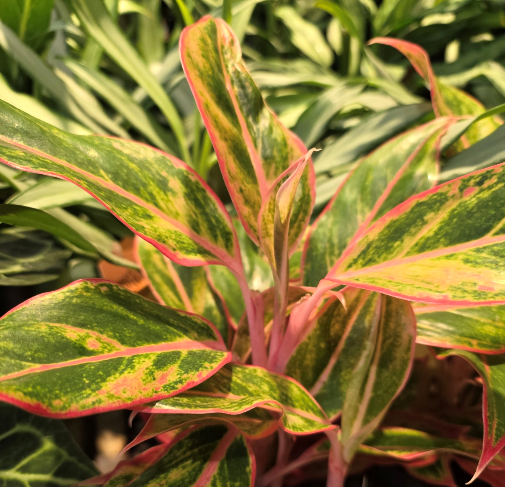
Types of Aglaonema Propagation (And Which Is Best)
There are a few different propagation methods you can use. Each one works well, but they feel a little different.
Water propagation
This is a popular choice for beginners. You place stem cuttings in a glass jar of water.
It is a great way to watch new roots form. That makes it very satisfying.
However, roots grown in water can be softer. So they may need time to adjust later in soil.
Soil propagation
The soil propagation method uses a light potting mix with good drainage holes.
It is often the best way for long-term success. The roots grow stronger from the start.
The downside is that you cannot see the root development happening.
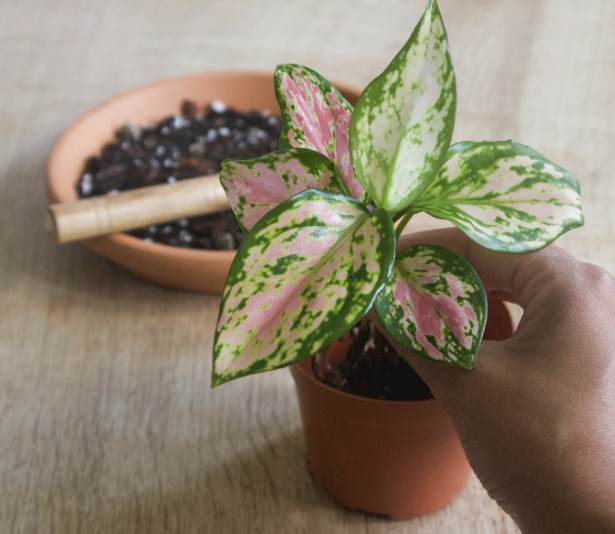
Division (using offsets)
This is the easiest way if your plant is mature. You simply split the mother plant into sections.
Each section already has a healthy root system. So it settles quickly in a new pot.
This method works best on older plants with multiple stems.
Best Time to Propagate Aglaonema
Timing really matters for success.
The best time is during the growing season. That means early summer or late spring.
During this time, the plant is active. So it produces new growth and roots faster.
You can propagate at other times. However, it may take longer during colder months.
What You Will Need
Before you start, gather your supplies. This makes the process smoother.
You will need clean cutting tools, like sharp scissors or a sharp knife. Clean cuts help prevent disease.
You may also want rooting hormone. It is not essential, but it can speed up the rooting process.
Have small pots with drainage holes ready. Or a glass jar if using water propagation.
Step-by-Step Process
Choosing the Right Cutting
Start with a healthy parent plant. Look for a strong stem with a few leaves.
Make sure there is at least one leaf node. This is where new roots will grow.
Avoid weak or damaged stems. They take longer to root.
Preparing the Cutting
Make a clean cut just below a node. Use sharp scissors for a neat finish.
Remove the lowest leaves. This keeps them from sitting in water or soil.
A clean cut helps the plant start fresh and reduces the risk of root rot.
Creating the Right Growth Environment
Place your cutting in a bright spot with indirect light. Avoid direct sun.
Keep the temperature warm and steady. A warm environment helps root development.
Humidity also helps. You can use a plastic bag or plastic wrap to trap moisture.
How to Monitor Progress
Check your cutting every few days. Look for signs of new roots and new leaf growth.
If using water propagation, change the water often. This keeps it fresh and clean.
If using soil, keep it slightly moist. Avoid too much water, as this causes root rot.
Transplanting Your Cutting
Once roots are a few inches long, it is time to move your cutting.
Place it into a new pot with fresh soil mix. Make sure it has drainage holes.
Water lightly and keep it in a bright spot. This helps it adjust to its new environment.
Common Issues (And How to Fix Them)
Propagation is simple, but a few problems can happen.
If your cutting turns mushy, it may have too much water. Reduce moisture and improve airflow.
If there are no roots after weeks, it may need more warmth or light.
Yellow leaves can mean stress. This often happens when moving to a new environment.
Always start with a healthy stem. That is the best way to avoid issues.
Extra Tips for Better Success
Try to keep conditions stable. Sudden changes slow down root development.
Use small pots at first. This helps control soil moisture better.
Also, be patient. Some cuttings take a couple of months to fully root.
With the right care, you will see strong new leaf growth and a thriving plant.
FAQ
How long does it take for Aglaonema to root in water?
It usually takes a few weeks. Full root growth can take a couple of months.
How do you make Aglaonema bushy?
Propagate and replant cuttings in the same pot. This creates a fuller plant.
Should I propagate Aglaonema in water or soil?
Both work well. Water is easier to watch, while soil gives stronger roots.
Can Aglaonema live in water only?
Yes, but it needs careful care. Nutrients must be added to support growth.
Is September too late to take cuttings?
It can still work. However, rooting may be slower outside the growing season.
Should you bottom water Aglaonema?
It is a good option. It helps avoid overwatering the top layer of soil.
How to stimulate rooting in water?
Keep the cutting warm, in bright indirect light, and change water regularly.
Does Aglaonema grow from cuttings?
Yes, it is a great way to grow new plants from a single stem.
Can you root cuttings in just water?
Yes, water propagation is one of the easiest methods.
What mistakes should I avoid?
Avoid excess water, low light, and using weak stems. These slow root development.
How often should I water my cutting?
Keep soil lightly moist. Do not let it stay soggy or completely dry.
If you follow these steps, you will have a high success rate. And before you know it, you will have a whole collection of beautiful aglaonema plants.