
If you have ever spotted tiny pests on your plant’s leaves, you are not alone. Spider mites are one of the most common houseplant pests. And yes, they can show up very quickly.
At first, it can feel confusing. Your plant looked fine yesterday. Then suddenly, there are yellow spots or fine webbing.
So, how do plants get mites in the first place? Let’s break it down in a simple way.
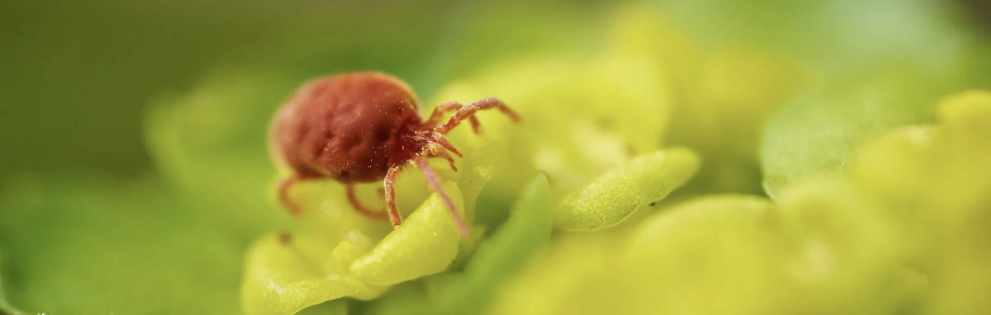
What Are Spider Mites and How to Spot Them
Spider mites are tiny arachnids, not insects. They are related to spiders and ticks.
They are so small you can barely see them with the naked eye. So, it helps to use a magnifying glass for a closer look.
The most common type is the two-spotted spider mite, also called the twospotted spider mite.
Here are the main signs:
Tiny yellow spots on plant leaves
Fine webbing on the undersides of leaves
Dusty or dull-looking leaf surface
Small dark spots moving slowly
Always check the underside of leaves first. That is where they like to hide.
Spider Mite Life Cycle (And Why It Matters)
The spider mite life cycle is fast, and this is why infestations spread so quickly. It goes like this:
- Egg stage
- Larvae
- Adult females
In warm, dry conditions, this can happen in just a few days. That means a small problem can turn into a full-blown infestation very fast.
So, early action is the best way to stay in control.
What Damage Do Spider Mites Do?
They attack leaf cells using needle-like mouthparts. They feed on plant sap inside individual plant cells. This causes:
Yellow spots
Weak new growth
Dry, damaged plant tissue
Over time, this leads to significant damage. In severe infestations, leaves may fall off, and plant growth slows.
What Conditions Do Spider Mites Like?
They love a dry environment. They thrive in:
Low humidity levels, warm temperatures, dry conditions, direct sunlight
So, indoor plants are often at risk, especially in winter when heating dries the air.
What Plants Are Susceptible (And Why)
Many species of plants can be affected.
Common host plants include:
Indoors: calathea, alocasia, crotons, palms, fiddle leaf fig, ivy
Outdoors: cucumbers, strawberries, beans, fruit trees, ornamental plants
Water-stressed plants and sick plants are more likely to attract pests. Healthy plants are more resistant.
How Do Plants Get Spider Mites?
Indoor Plants
Spider mites often enter your home on:
- New plants
- Plant material from shops
- Infested plant nearby
They can also spread from plant to plant easily. Even a small contact can transfer them.
Outdoor Plants
Outdoor plants can get spider mites from:
- Wind
- Other host plants
- Weather conditions
Mite outbreaks are more common in hot, dry weather.
How Spider Mites Spread
Spider mite populations grow fast.
They spread by:
Crawling to nearby plants
Hitching rides on clothes
Moving through air currents
So yes, they can even get on your clothes and spread that way.
How to Treat Spider Mites
Now let’s talk solutions. This is the part most house plant owners care about.
The first step is to act fast.
Also, when treating, make sure the entire plant is dripping wet. This is key for effective treatment.
Physical Methods
Start simple.
Rinse the plant with strong water sprays
Focus on undersides of the leaves
Use a spray bottle for control
This helps remove spider mites and eggs.
Natural Methods
Natural control methods are a good idea for most homes.
Neem oil – A popular choice. It disrupts spider mite life cycle.
Insecticidal soap – Gentle but effective. Works well on contact.
Horticultural oils / insecticidal oils – Coat and suffocate mites.
Unscented soap-based cleanser – A simple mix can help break down pests.
Hydrogen peroxide (diluted) – Helps clean plant tissue and reduce pests.
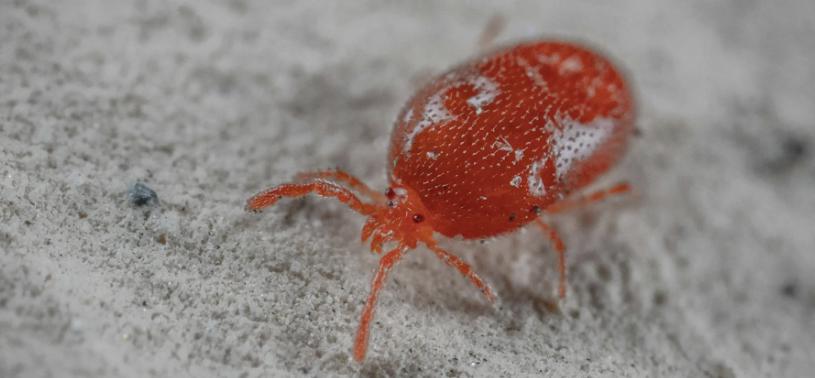
Predatory mites – Biological controls like phytoseiulus persimilis eat spider mites.
Chemical Methods
For severe infestations, chemical controls may be needed.
Use broad-spectrum insecticide treatments (as a last resort)
Always follow instructions carefully.
Indoor vs Outdoor Treatment
Indoor plants need careful, controlled treatment.
- Use sprays in a safe area
- Avoid overuse of chemicals
Outdoor plants have more support.
- Natural predators help
- Rain can reduce spider mite populations
Damage Assessment
Take a closer look at your plant.
If damage is light, recovery is easy.
If damage is serious, you may need to remove badly affected leaves.
In severe cases, replacing the plant may be the best way.
Prevention
Prevention is always easier than cure.
Here are some simple tips:
Check new plants before bringing them home
Keep humidity levels steady
Avoid dry conditions
Clean leaves often
Keep plants healthy
Also, regular checks help you catch the first sign of spider mites early.
Conclusion
Spider mites may be tiny pests, but they can cause serious damage fast.
The good news is, with the right pest management, you can stay in control.
Keep your plants healthy, act early, and use the best treatment methods.
That way, your plants will stay strong, green, and thriving.
FAQs
What kills spider mites immediately?
Strong water sprays, insecticidal soap, and neem oil can kill them on contact.
Are spider mites harmful to humans?
No, they are not harmful to humans.
How do you tell if you have spider mites?
Look for yellow spots, fine webbing, and tiny moving dots on leaves.
Will spider mites infest my house?
They stay on plants, but they can spread between indoor plants.
What scent keeps spider mites away?
Neem oil and some plant oils may help deter them.
Where do spider mites lay eggs?
They lay eggs on the undersides of leaves.
What time of year do spider mites come out?
They are most active in warm, dry weather.
Why do spider mites suddenly appear?
They often come from new plants or spread quickly in dry conditions.
What eats spider mites?
Predatory mites and other beneficial insects are natural enemies.
What happens if spider mites go untreated?
They can cause serious damage and even kill the plant.
Can spider mites get on your clothes?
Yes, they can hitch a ride and spread to other plants.