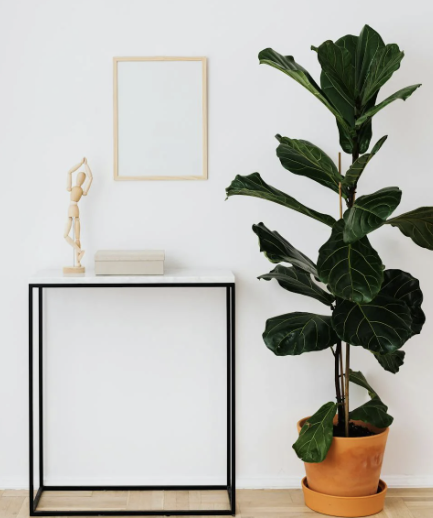
The fiddle leaf fig is one of the most loved, large indoor plants right now.
Its big, bold leaves make a strong statement in any room. You may hear it called the fiddle-leaf fig or fiddle leaf fig tree, but it is all the same plant.
It looks like a designer plant, and honestly, it is.
But with the right care, it can be easier than people think.
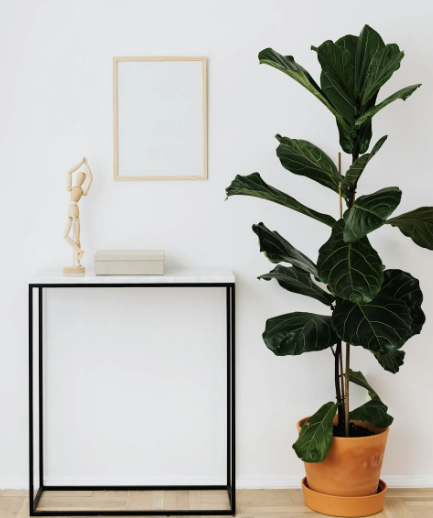
Background and natural habitat of Fiddle Leaf Fig
The ficus lyrata comes from Western Africa, where it grows in warm, humid forests. In its native habitat, it can become a very tall tree.
Indoors, it becomes one of the most popular indoor trees. It belongs to the Moraceae family, which also includes other fig plants like the rubber plant or ficus elastica.
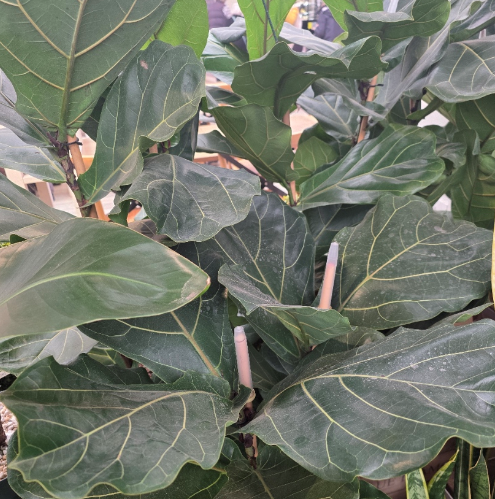
Its fiddle-shaped leaves are large, thick, and naturally glossy. These enormous leaves are the reason so many indoor plant enthusiasts love it.
Light
Light is the most important part of fiddle leaf fig care.
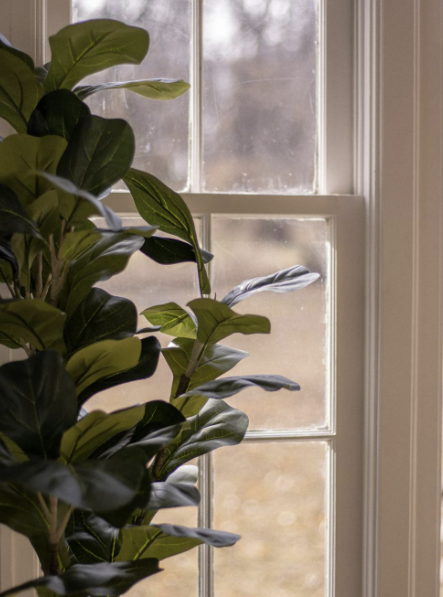
This plant needs lots of bright light to stay healthy. The best place is near the front of a window, especially an east-facing window or a bright western facing window.
It prefers indirect sunlight, but it can handle some gentle bright sunlight.
Too little light is a common issue. In low light, you will see leaf drop and slow growth.
So, for the best way to grow it, aim for strong light without harsh midday sun.
Watering
The fiddle leaf fig’s watering needs are very important.
The most common mistake is overwatering.
Only water when the top inch of soil feels dry. Then give it a good soak, so water reaches the roots of the plants.
Make sure the pot has drainage holes, so water can leave the bottom of the pot.
Too much water leads to soggy soil and root rot. Too little water leads to dry leaves and leaf loss.
The goal is steady moisture, not extremes.
Temperature
This plant likes warm and steady conditions. For temperature, aim for around 18°C to 27°C (65–80°F).
It does not like cold temperatures or sudden changes. Keep it away from cold drafts and heating vents, as both can stress the plant.
A stable room temperature helps avoid leaf drop and keeps growth steady.
Humidity
Because it is a tropical plant, it enjoys a humid environent. For humidity, it prefers medium to high humidity, ideally around 40–60% or higher.
Higher humidity levels help keep those glossy green leaves looking their best.
If your home is dry, try to increase humidity with a pebble tray or by grouping plants.
This small step can really improve the success of this amazing indoor tree.
Fertiliser
During the growing season, your plant will need nutrients.
Spring and summer are the best time to feed with a gentle liquid fertiliser or even a seaweed fertiliser.
This supports strong new growth and keeps the leaves healthy.
In winter months, you can stop feeding, as the plant rests.
Soil
The soil of your indoor tree needs to drain well.
A light, airy mix is best. This helps control the soil’s moisture level and prevents excess water sitting around the roots.
Always use a pot with drainage holes, and never let the plant sit in water.
Repotting
Repotting helps support healthy roots.
The best time is in spring or even late winter, just before the growing season starts.
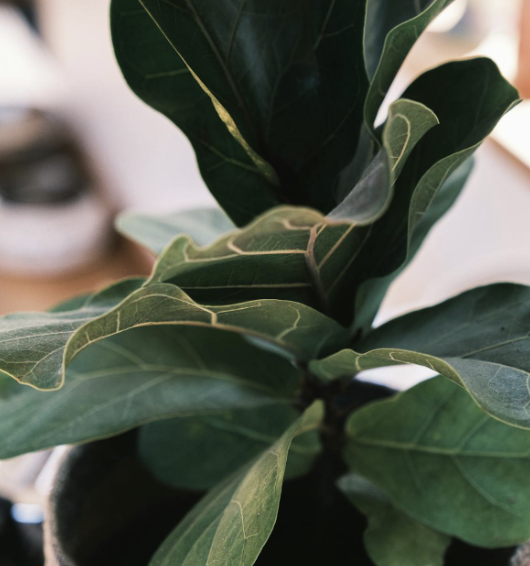
Move it into a slightly larger nursery pot, not a huge jump. A small container that is too tight can slow growth, but a pot too big can hold too much water.
Read my guide on Pot Size for Your Fiddle Leaf Fig for more help.
Pruning
Pruning helps shape your beautiful fiddle leaf fig.
You can trim the top of young plants to encourage branching. You can also remove damaged leaves.
Always use clean tools, and wipe leaves with a damp cloth to keep them healthy and dust-free.
Propagation of Fiddle Leaf Fig
You can grow a new fiddle leaf fig plant from cuttings.
Take a healthy stem cutting and place it in water or soil. Over time, roots will form.
It takes patience, but it is a fun way to grow more plants.
Seasonal Care of Fiddle Leaf Fig
In spring and summer, your plant grows faster. It needs more water, more light, and regular feeding.
In autumn and winter, growth slows down. Water less, stop feeding, and protect it from cold drafts.
This simple change keeps your plant happy all year.
How to encourage blooming or fruit
Indoors, this plant rarely flowers or produces fruit.
In nature, it can produce figs, but this needs perfect outdoor conditions.
So, instead of chasing fruit, focus on strong leaves and steady new growth. That is the real goal indoors.
Common problems of Fiddle Leaf Fig
There are a few common problems to watch for.
Leaf drop often happens from sudden changes in light or temperature.
Dark brown spots can be a sign of overwatering or root issues.
Root rot comes from too much water and poor drainage.
Leaf loss can also happen in low light conditions.
Most issues come from water or light, so always check those first.
Pests
Like many house plants, this one can get pests.
The most common are spider mites and fungus gnats.
Check leaves often, especially the undersides. Wipe them with a damp cloth and treat early if needed.
Is it pet friendly?
No, it is a toxic plant.
If eaten, it can cause irritation or stomach upset. Keep it away from pets and small children.
Other types to know
While ficus lyrata is the most popular, there are other fig plants you may like.
The rubber plant is a great alternative. It has similar care but is often easier.
What houseplants have similar care?
If you like the fiddle leaf fig, you will also enjoy plants with similar needs.
Rubber plants, other ficus types, and many tropical plants all enjoy bright light, careful watering, and stable conditions.
They follow similar care routines, which makes building a plant collection easier.
Extra care tips for Fiddle Leaf Fig
Try not to move your plant too often. It does not like sudden changes.
Keep it in a good spot with stable light. Rotate it slightly for even growth.
And most importantly, avoid overwatering. That is the number one issue for most owners.
FAQ
Are fiddle leaf figs hard to care for indoors?
They can be easy with the right light and watering routine.
How to tell if a fiddle leaf fig is happy?
It will show steady new growth and have strong, glossy leaves.
What not to do with a fiddle leaf fig?
Do not overwater or move it too often. Avoid low light.
Do fiddle figs like big pots?
No, they prefer slightly snug pots with good drainage.
What are common problems with fiddle leaf figs?
Leaf drop, root rot, and brown spots are the most common.
Where is the best place to put a fiddle leaf fig?
Near a bright window with indirect sunlight is ideal.
What does a thirsty fiddle leaf look like?
Leaves may droop or feel dry, and growth may slow.
What is the lifespan of a fiddle leaf fig?
With proper care, it can live for many years as a long-term indoor tree.