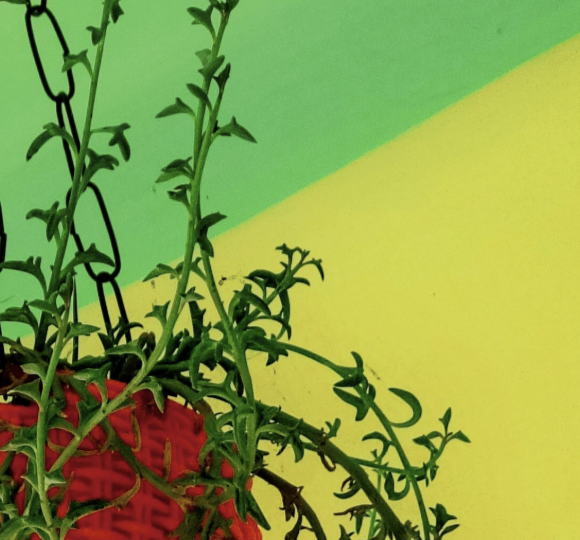
The string of dolphins plant (Senecio peregrinus) is a unique plant with dolphin-shaped leaves that look like tiny jumping dolphins. This playful plant is a favourite among succulent lovers and looks beautiful in a hanging basket or suspended pot.
It is a type of succulent plant from South Africa. Like other soft succulent varieties, it stores water in its leaves. That means the soil must drain well to prevent root rot.
The best soil for string of dolphins is the key to healthy growth, strong stems, and long trailing vines.
What Soil to Use for String of Dolphins
The best soil for string of dolphins is a fast-draining succulent mix. This type of plant does not like wet soil or excess water.
A simple soil mix looks like this:
- 2 parts succulent soil or cactus mix
- 1 part perlite or coarse sand
This creates a well-draining soil that allows air to reach the roots. It also helps maintain the right balance between dry soil and light moisture.
A fast-draining succulent mix is the best way to prevent root rot and support new growth.
What Soil Not to Use (And Why)
Avoid regular potting soil on its own. It holds too much water and causes poor drainage.
Do not use heavy compost. It can stay wet for too long and lead to common problems like root rot and fungal issues.
String of dolphins succulents need dry conditions more than moist soil.
Soil pH and Nutrients
String of dolphin plants prefer slightly acidic to neutral soil. Most succulent soil mixes already provide the right conditions.
During the growing season, a high-quality liquid fertiliser can support healthy growth. Use a half strength mix to avoid heavy fertilising.
Planting String of Dolphins in Pots
Always use a pot with drainage holes. This allows excess water to escape through the pot’s drainage hole.
A hanging plant setup works best. It allows the dolphin-shaped leaves to trail down naturally.
Choose a smaller pot rather than a larger pot. Large pots can hold too much moisture.
Do String of Dolphins Like Much Light?
Yes, they do. Place your plant in bright light or indirect sunlight. A sunny window or east-facing window works well.
They can handle short periods of direct sun, but avoid hot afternoon light.
In low light conditions, growth becomes weak and stretched.
Best Time to Repot
The best time to repot is late winter or early spring. This is just before the growing season begins.
Avoid repotting during winter dormancy or very hot summer months.
How to Repot String of Dolphins
Gently remove the plant from its pot. Be careful with the delicate stems.
Place it into a new pot with fresh soil. Keep the top of the soil level the same as before.
Water lightly and place in bright indirect light.
How Often to Repot
String of dolphins plants do not need frequent repotting. Every 1–2 years is enough.
If the soil becomes compacted or drains poorly, it is time to repot.
How to Care After Repotting
After repotting, water lightly and allow the soil to dry between watering.
Keep the plant in bright light and avoid excess water.
Good air circulation helps prevent spider mites and other pests.
Signs the Soil Is Not Right
If the soil is not suitable, the plant will show signs.
Watch for:
- Soft stems from too much water
- Yellow or shrivelled leaves
- Slow or no new growth
- Root rot from poor drainage
Healthy plants have firm stems and clear dolphin shapes.
Propagation
You can grow new plants using stem cuttings. Cut a healthy stem and place it on top of moist cactus mix.
Roots will grow from the leaf node over time. This is the best way to grow a new plant.
Leaf propagation is less reliable for this type of plant.
Frequently Asked Questions
What soil to use for strings of dolphins?
Use a fast-draining succulent soil or cactus mix with added perlite or coarse sand. This prevents root rot and supports healthy growth.
Should you bottom water string of dolphins?
Yes, bottom watering is a good idea. It helps control soil moisture and prevents overwatering. Always let the soil dry before watering again.
Are strings of dolphins hard to take care of?
No, they are an easy-care plant if given the right conditions. They need bright light, well-draining soil, and less water than most indoor plants.
Do strings of dolphins like to be root bound?
Yes, they can tolerate being slightly root bound. A snug pot helps prevent excess water and supports healthy roots.
How to save a dying String of Dolphins?
Check the soil first. If it is wet, repot into fresh, well-draining soil. Remove damaged roots and reduce watering. Place in bright indirect light for recovery.
The string of dolphins plant is a novelty plant that brings a fun and playful look to any space. Its distinctive curled leaf shape makes it a standout in any succulent collection.
With the right soil, proper care, and enough light, this hanging plant will thrive and produce long, trailing stems for a long time.