
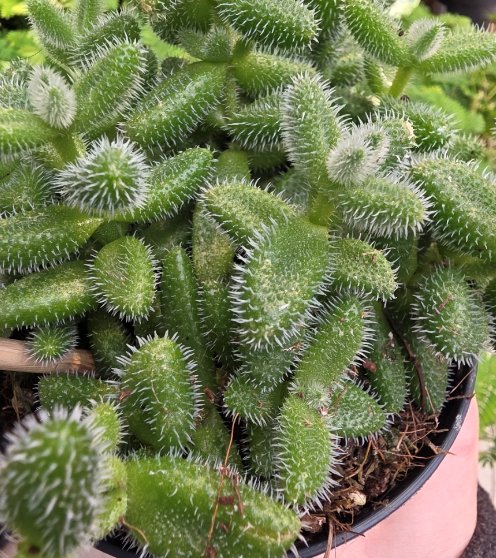
If you love quirky plants, the pickle plant is a must-have. With its tiny pickles and green fleshy leaves, it really stands out.
This unique succulent is fun, easy to grow, and perfect for indoor plants. So, if you want something different, this is a great choice.
Background
The pickle plant, often called delosperma echinatum, is a succulent native to South Africa. It grows in dry mountains and arid conditions.
Because of this natural habitat, it is used to dry environments, bright light, and less water. Its cylindrical green stems give it that distinctive pickle-like appearance.
You may also hear about kleinia stapeliiformis or senecio stapeliiformis, which are sometimes called pickle cactus. While slightly different, they share similar care needs.
Types
There are a few types of pickle-like succulents. The most popular is delosperma echinatum, known for its tiny gherkin pickles.
Others, like kleinia stapeliiformis, have taller stems and a more upright look. Each type of plant brings its own charm.
So, whether you like small plants or larger plants, there is something for every plant lover’s collection.
Is Pickle Plant Similar to Other Houseplants?
Yes, it is quite similar to other succulent plants. If you already grow indoor succulents, this one will feel familiar.
It needs bright light, well-draining soil, and careful watering. So, once you know basic succulent care, you’re set.
Where to Grow and How to Style the Pickle Plant
The pickle plant works well in a bright indoor space. Place it on a shelf, desk, or windowsill for the best effect.
It looks great in a potted plant display with other succulents. You can also style it in a sunny window or near a south-facing window.
Its distinctive appearance makes it a real talking point in your home.
Light
Light is key for this plant. It needs plenty of bright light to keep its shape.
A bright location with indirect sunlight works well. It can also handle some hours of direct sunlight, especially in cooler months.
If your plant becomes leggy, it likely needs more light. A grow light can help in darker spaces.
Water
When it comes to watering, less is more. This plant does not like much moisture.
Let the soil dry out fully before watering again. Then water deeply and let excess water drain from the bottom of the pot.
Too much water can lead to root rot, which is a common issue. So, always check the soil first.
Temperature
Pickle plants prefer warm temperatures and average room temperatures.
They do best in warm conditions and should be kept away from cold temperatures. Avoid drafts and sudden changes.
Humidity
Low humidity is ideal. This plant is used to dry environments, so it does not need extra moisture in the air.
High humidity can cause problems, so keep it in a well-ventilated area.
Fertiliser
During the growing season, you can feed lightly with a succulent fertilizer.
Use it at a low strength during late spring and early summer. This supports healthy growth and new growth.
Soil
Well-draining soil is essential. A succulent mix with coarse sand works best.
Avoid regular potting soil on its own, as it can hold too much moisture. Good drainage helps prevent root rot.
Repotting
Repotting is only needed when the plant outgrows its pot. Choose a larger pot with drainage holes.
Make sure excess water can escape easily. This keeps the roots healthy.
Pruning
Pruning helps keep the plant neat and full. You can cut back long stems using a clean cut.
This also encourages new growth and keeps your plant looking its best.
Propagation
The best way to grow new plants is through stem cuttings. Take a healthy stem and let the cut end dry.
Then place it in well-draining soil. With time, it will grow roots and become a new pickle plant.
Seasonal Care
During the growing season, your plant will need a bit more water and light.
In winter months, growth slows down. So, reduce watering and avoid feeding.
Always adjust your care routine based on the time of year and current weather.
Pickle Plant Benefits
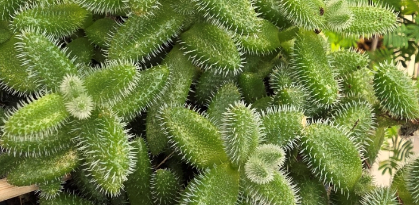
This plant is a great addition to any indoor plant collection. Its unique appearance adds personality to your space.
It is also a low-maintenance plant, which makes it perfect for beginners.
How to Encourage Blooming
With the right care, mature plants may produce small flowers.
To encourage blooming, give plenty of light and feed lightly during the growing season. Warm conditions also help.
Common Problems of Pickle Plant
Most problems come from watering or light issues. Too much water can cause root rot and soft stems.
Not enough light can lead to leggy growth. So, always check these first.
Pests
Watch for mealy bugs and other common pests. These can affect the plant if it is stressed.
Treat early with gentle methods to keep your plant healthy.
Diseases
Fungal diseases can occur if there is too much moisture. This is often linked to poor drainage.
So, always use well-draining soil and avoid excess water.
Is Pickle Plant Pet Friendly?
It is best to keep this plant away from pets. Like many succulents, it may not be safe if eaten.
Conclusion
In the end, the pickle plant is a fun and easy way to add something different to your home. Its tiny pickles and unusual look make it stand out.
With the right amount of light, well-draining soil, and careful watering, it can thrive for a long time. So, once you get the basics right, this fascinating plant will reward you with healthy growth and a unique style.
FAQ
Why is my pickle plant dying?
This is often due to excess water or not enough light. Check both and adjust care.
Can you cut back a pickle plant?
Yes, pruning helps keep it neat and encourages new growth.
How do you take care of a pickle plant?
Provide bright light, well-draining soil, and water only when the soil is dry.
Do pickle plants need full sun?
They like bright light and can handle some direct sun, but avoid too much harsh sun.
Why is my pickle plant leggy?
It likely needs more light. Move it to a brighter spot.
How tall does a pickle plant get?
Most stay fairly small, but some types can grow taller over time.
How to keep a pickle plant alive?
Give enough light, avoid overwatering, and use well-draining soil.
What are some common mistakes beginners make when caring for pickle plants?
Overwatering and poor light are the most common mistakes.
When to water a pickle plant?
Water when the soil is fully dry. This is the best way to avoid root rot.