
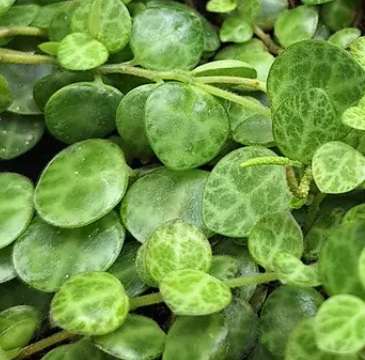
The string of turtles plant (Peperomia prostrata) is a charming trailing plant with tiny leaves that look like the shell of a miniature turtle. This delicate succulent-like plant is loved by plant enthusiasts because of its unusual leaf shape and trailing vines.
It is part of the peperomia genus and comes from the Brazilian rainforests of South America. In its natural habitat, it grows along tree trunks in warm, moist conditions with indirect light.
Although this particular plant is small, the right soil is very important. The wrong soil can trap excess water and lead to root rot. The best soil helps support healthy growth, strong vine-like stems, and beautiful green leaves.
What Soil to Use for String of Turtles
The best soil for string of turtles is a light, airy, well-draining soil mix. This plant likes moisture, but it does not like wet soil.
A simple soil mix looks like this:
- 2 parts indoor potting mix
- 1 part succulent soil or coarse sand
- 1 part peat moss or coco coir
This mix creates good drainage while still holding enough moisture for healthy roots.
The soil should feel light and fluffy, never heavy or soggy.
What Soil Not to Use (And Why)
Avoid dense garden soil or heavy compost. These hold too much water and reduce airflow around the roots.
Poor drainage often causes root rot, fungal diseases, yellow lower leaves, and slow growth.
String of turtles plants need moist soil, but they should never sit in excess water.
Soil pH and Nutrients
String of turtles plants prefer slightly acidic to neutral soil. Most indoor potting mixes already provide the right balance.
During the growing season, use a balanced liquid fertiliser once a month. This supports new growth and helps the plant produce bushier growth.
Avoid heavy feeding during the winter months.
Planting String of Turtles in Pots
Always use a pot with drainage holes. This allows water to escape from the bottom of the pot.
Because this is a slow grower with delicate roots, choose a small pot rather than a deep or oversized container.
Hanging pots work well because they show off the trailing vines beautifully.
Light and Humidity Needs
String of turtles plants prefer bright indirect light or indirect sunlight. Avoid full sun because strong light can damage the delicate leaves.
Low light conditions may cause lack of leaves and stretched stems.
This tropical plant also enjoys high humidity. A pebble tray can help add a bit of extra humidity indoors.
Best Time to Repot
The best time to repot is during the growing season in spring or early summer.
Repot only when the current pot becomes crowded. This plant has a slow growth rate and does not need frequent repotting.
How to Repot String of Turtles
Gently remove the plant from its current pot. Try not to damage the tiny leaves or delicate stems.
Place it into fresh soil in a slightly larger pot. Keep the top of the plant level with the soil surface.
Water lightly and place in indirect light.
How to Propagate String of Turtles
Stem cuttings are the best way to grow new plants.
Cut healthy vine cuttings below a leaf node and place them on moist soil. Roots will grow over time and create new growth.
This method is simple and works well for most mature plants.
Signs the Soil Is Not Right
Poor soil quickly affects plant health.
Watch for:
- Yellow lower leaves
- Soft stems from excess water
- Lack of leaves or slow growth
- Brown spots from fungal diseases
- Root rot from soggy soil
Healthy plants have firm stems, tiny turtle shells, and fresh new leaves.
Common Pests
Like many indoor plants, string of turtles can attract spider mites and other common pests.
Good airflow, proper watering, and clean leaves help prevent problems.
If pests appear, insecticidal soap can help protect the plant’s leaves.
Frequently Asked Questions
What is the best soil for strings of turtles?
The best soil is a light, well-draining soil mix with potting soil, coarse sand, and peat moss or coco coir. This prevents root rot while keeping enough moisture for healthy growth.
Do strings of turtles like deep pots?
No, they prefer shallow pots because their roots stay fairly small. Deep pots can hold too much water and increase the risk of root rot.
Can I use orchid mix for string of turtles?
Yes, orchid mix can work when mixed with regular potting soil. It improves airflow and drainage around the roots.
Should I bottom water my string of turtles?
Yes, bottom watering is a good idea. It helps prevent overwatering and keeps the delicate leaves dry.
Should I mist my String of Turtles?
A little misting can help increase humidity levels, especially in dry homes. However, avoid soaking the leaves or creating constantly wet conditions.
How to get strings of turtles to thrive?
Provide bright indirect light, high humidity, and well-draining soil. Water when the top inches of soil begin to dry and avoid excess water.
The string of turtles plant is one of the most unique plants for an indoor plant collection. Its tiny leaves, trailing vines, and turtle shell pattern make it a favourite among plant lovers.
With the right soil mix, enough light, and proper care, this beautiful trailing plant can thrive for many years