
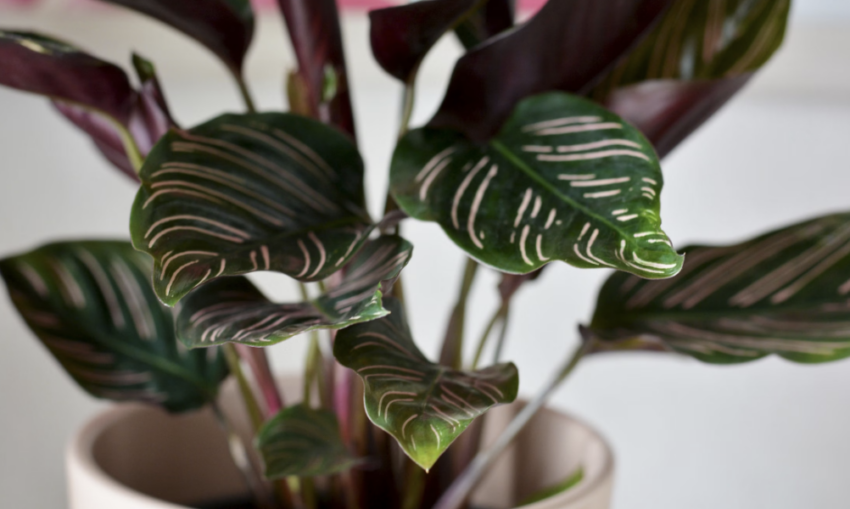
If you’re looking for an indoor plant with eye-catching leaves, it’s hard to beat the Calathea ornata. Better known as the pinstripe plant, this tropical beauty is loved for its dark green leaves and delicate pink stripes. It brings a touch of the rainforest into your home and makes a stunning focal point in any room.
Although the Calathea ornata plant has a reputation for being fussy, don’t let that put you off. Once you understand what it needs, it is much easier to care for than many people think. In this guide, you’ll learn everything you need to know about Calathea ornata care, from watering and light to humidity, propagation, and common problems.
The Calathea ornata is a member of the Marantaceae family, also known as the prayer plant family. It comes from the tropical forests of South America, where it grows beneath taller trees in warm, humid conditions.
One of the most fascinating things about this plant is its circadian rhythm. During the day, the leaves lie flat to catch the light. At night, they gently fold upwards, almost as if they are praying. This natural movement makes the plant even more interesting to grow.
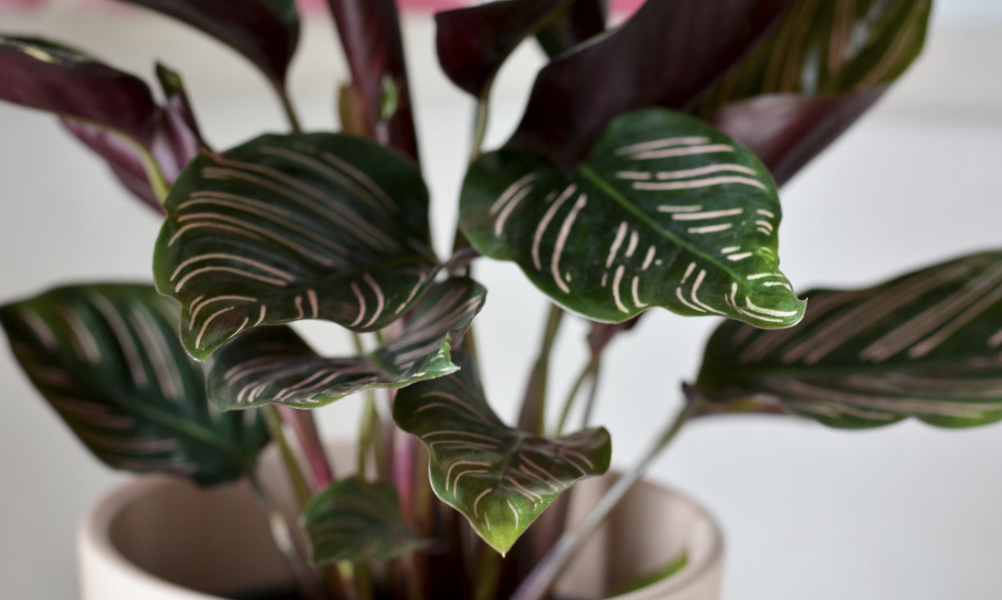
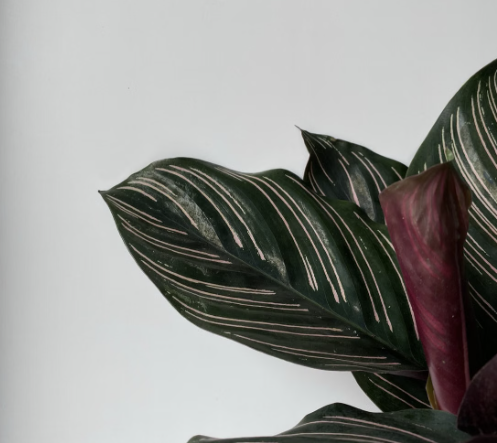
The biggest appeal of the Calathea ornata is its striking leaves. Each leaf has a sharp contrast between deep green and fine pink stripes, while the undersides have a rich purple colour.
Types of Calathea
There are many beautiful Calathea varieties, and they all share similar care needs.
Popular varieties include:
- Calathea ornata (Pinstripe Calathea) – Known for its elegant pink stripes and dark green leaves.
- Calathea orbifolia – Large silver-green leaves with soft stripes.
- Calathea makoyana – Often called the Cathedral Window Plant because of its patterned leaves.
- Calathea medallion – Rounded leaves with bold green and purple markings.
- Calathea veitchiana – Large patterned leaves with rich colouring.
All of these tropical houseplants enjoy warmth, humidity, and bright indirect light.
Is Calathea Ornata Similar to Any More Common Houseplants?
Yes. If you’ve grown other Calathea plants, a peacock plant, or a zebra plant, you’ll already be familiar with the care routine. They all like moist soil, high humidity, and gentle light.
The biggest difference is that the pinstripe calathea can be a little more sensitive to poor water quality and dry air. However, once you find the perfect spot, it usually settles in well.
Light
The best place for a Calathea pinstripe is somewhere with bright indirect light. It naturally grows beneath tree canopies, so it prefers filtered sunshine instead of harsh rays.
Place your plant near an east-facing window or behind a sheer curtain if it sits close to a brighter window. If your home has low light levels, the plant can survive, but the colours may fade and growth may slow.
Avoid direct sunlight, as it can scorch the delicate leaves and cause brown patches.
Artificial lighting also works well during darker months. A good light source can help keep growth healthy throughout the year.
Water
Getting watering right is the best way to keep your Calathea healthy.
Keep the soil lightly moist, but never soaking wet. Check the top inch of soil before watering. If it feels slightly dry, it’s time to water again.
Always allow excess water to drain through the drainage holes. Sitting in water for too long can lead to root rot.
Many plant parents notice brown leaf edges after watering with tap water. This is often caused by minerals and chemicals in the water. For the best results, use filtered water or distilled water whenever possible.
Temperature
Like most tropical plants, Calathea ornata enjoys warm, stable conditions.
Aim for temperatures between 18°C and 27°C.
Keep the plant away from cold drafts, radiators, and air conditioning. Sudden changes can stress the plant and damage the leaves.
The minimum temperature should stay above 15°C.
Humidity
High humidity is one of the biggest secrets to successful Calathea ornata care.
These plants naturally grow in a humid environment, so they dislike dry homes. Low humidity often causes brown tips, crispy leaf edges, and curled leaves.
A tray of moist pebbles, a humidifier, or grouping plants together all help increase humidity.
Avoid placing your plant near heating vents, as dry air quickly dries the leaves.
Fertiliser
Feed your Calathea every month during the growing season.
Use a balanced liquid houseplant fertiliser at half strength. Feed only during the warmer months, then stop during autumn and winter when growth naturally slows.
Too much fertiliser can damage the fine roots of a Calathea, so less is usually more.
Soil
The right soil mix makes a huge difference.
Choose a light, airy potting mix with good drainage. A mix containing peat-free compost, orchid bark, perlite, and coco coir works well.
The soil should stay lightly moist while still allowing excess water to escape easily.
Repotting
Repot every two years or when roots begin filling the pot.
The right time is during spring or early summer when the plant is actively growing.
Choose a container only one size larger than the current one. Make sure it has plenty of drainage holes.
Fresh compost gives the roots more nutrients and encourages healthy growth.
Pruning
Pruning is simple. Remove yellow or damaged leaves by cutting them at the base of the plant using a sharp knife or clean scissors.
Wiping the top sides of the leaves and the undersides of the leaves with a damp cloth also helps the plant photosynthesise more efficiently.
Propagation of Calathea Ornata
Division is the easiest way to propagate a Calathea.
During repotting, gently separate healthy clumps with a sharp knife, making sure each section has healthy roots attached.
Pot each division into fresh compost and keep it warm and humid until you see new plants beginning to grow.
Unlike many houseplants, Calatheas cannot be grown successfully from stem cuttings.
Seasonal Care for Calathea Ornata
Spring and summer are when your Calathea grows the fastest. Water regularly, feed monthly, and keep humidity high.
During autumn and winter, growth slows. Reduce watering slightly, stop feeding, and continue protecting the plant from cold drafts.
Stable temperatures all year will give the best approach for long-term success.
Calathea Ornata Benefits
The Calathea ornata is one of the most beautiful beautiful house plants you can own.
Its colourful leaves brightens shelves, desks, and living rooms. Because it is a pet-friendly plant, it’s also a safer choice for homes with cats and dogs.
The moving leaves also bring extra interest, making this tropical plant feel alive throughout the day.
Common Problems and Troubleshooting for Calathea Ornata
Even healthy plants can have occasional issues.
Brown edges usually mean humidity is too low or the plant dislikes the water quality.
Brown tips often appear after watering with hard tap water.
Small brown patches may be caused by too much direct sunlight.
Yellow leaves usually point to overwatering.
Drooping leaves can mean the soil is too dry or temperatures are too cold.
If growth slows, check that the plant has much light, warm conditions, and enough humidity.
Pests
Like many tropical plants, Calatheas can attract pests.
The most common are spider mites and fungus gnats.
Inspect your plant regularly with a magnifying glass, especially beneath the leaves.
If you spot pests, wipe the leaves and treat them with insecticidal soap or neem oil.
Regular inspection is one of the best practices for preventing infestations.
Diseases
The biggest disease issue is root rot. This happens when the soil stays wet for too long.
Good drainage, the correct watering routine, and pots with drainage holes help prevent problems.
Good airflow also reduces the chance of fungal diseases.
Is Calathea Ornata Pet Friendly?
Yes. One of the biggest advantages of the pinstripe plant is that it is considered a pet-friendly plant. It is non-toxic to both cats and dogs, making it a great choice for family homes.
Although it is safe, it is still best to stop curious pets from chewing the delicate leaves.
Other Beautiful Calathea Varieties
If you’ve fallen in love with your Calathea ornata plant, there are plenty of other stunning varieties to collect.
Calathea orbifolia has large silver-striped leaves.
Calathea makoyana, also known as the Cathedral Window Plant, has intricate feather-like markings.
Calathea medallion produces bold round leaves with deep purple undersides.
Calathea veitchiana offers dramatic patterned leaves and makes an impressive statement plant.
Because they all enjoy similar ideal conditions, they grow well together in a houseplant collection.
FAQs
Is Calathea ornata hard to take care of?
Not really. It simply needs the right conditions. Give it bright indirect light, warm temperatures, high humidity, and consistent watering, and it will reward you with beautiful leaves.
How often do you water Calathea ornata?
Water when the top inch of soil feels slightly dry. This is usually once a week during the growing season and less often during winter.
Where should I place my Calathea ornata?
Place it in a warm room with bright indirect light. Keep it away from direct sunlight, cold drafts, and radiators.
Should I mist Calathea ornata every day?
Daily misting only raises humidity for a short time. A humidifier or tray of moist pebbles works much better for long-term humidity.
How do you make a Calathea ornata happy?
Keep the soil lightly moist, use filtered water or distilled water, provide high humidity, and avoid sudden temperature changes. These simple steps will help your Calathea stay healthy and keep its stunning pink-striped leaves looking their best.
The Calathea ornata is one of the most rewarding tropical houseplants you can grow. While it needs a little extra care, the results are well worth it. Give it warmth, humidity, gentle light, and the right watering routine, and it will reward you with stunning leaves all year round. Once you understand its needs, you’ll see why the pinstripe plant has become a favourite among houseplant lovers.