
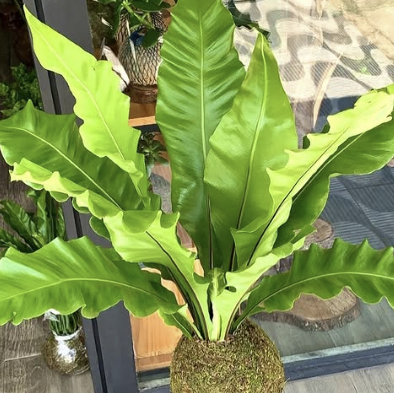
The Crispy Wave Plant, also known as Asplenium nidus or “Bird’s Nest Fern,” is a fantastic plant for adding a touch of fresh greenery to your home. Its unique, wavy leaves look almost like a green seaweed growing on land, which gives any indoor space a modern and tropical vibe. Not only is this plant beautiful, but it’s also known for its air-purifying qualities, making it a great choice for improving air quality indoors. If you’re looking for an eye-catching, low-maintenance houseplant, the Crispy Wave is an excellent option!
In this guide, I’ll cover everything you need to know about caring for your Crispy Wave, from light and watering needs to handling pests and propagation. Let’s dive in and make sure your plant stays lush and healthy!
Background
The Crispy Wave Fern is a beautiful fern known for its long, wavy leaves. Its botanical name is Asplenium nidus, although it is often sold as a Bird’s Nest Fern.
The name Crispy Wave comes from the rippled edges of its leaves. These leaves grow from the centre of the plant, forming a loose rosette.
In its natural habitat, this fern grows in warm and humid parts of Asia, Africa, and the Pacific. It can grow on trees and other plants rather than always growing in soil.
This natural growth habit explains many of its care needs. Crispy Wave Ferns like moisture, humidity, warmth, and good airflow around their roots.
However, they do not like sitting in water. Finding this balance is one of the most important parts of Crispy Wave Plant Care.
Beginner Information
Crispy Wave Ferns can be a little more demanding than some common houseplants.
They are not necessarily difficult plants. However, they are less forgiving when their growing conditions change.
The biggest thing to remember is moisture.
These ferns prefer evenly moist soil. They should not be allowed to dry out completely for long periods.
At the same time, the roots need oxygen. Waterlogged soil can reduce the air around the roots and lead to root problems.
Humidity is also important. This is why a Crispy Wave Fern can struggle in a dry room, especially during winter.
Once you understand these needs, Crispy Wave Plant Care becomes much easier.
Is Crispy Wave Fern Care Similar to Other Houseplants?
Crispy Wave Fern care is similar to other tropical ferns.
It has similar needs to plants such as Boston Ferns and Maidenhair Ferns. These plants all prefer moisture and higher humidity.
However, Crispy Wave Ferns have one important feature to remember.
Their leaves grow from the centre of the plant. The central crown should stay dry when you water.
Water sitting in the crown can increase the risk of rot.
This makes watering technique just as important as how often you water.
How to Identify a Crispy Wave Plant
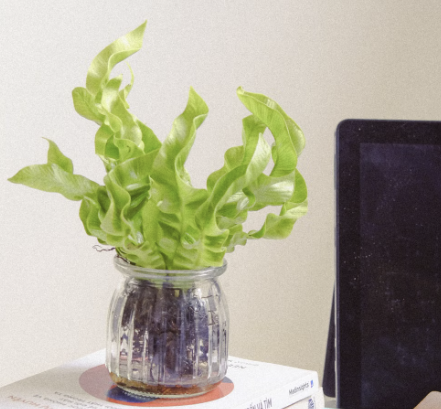
The Crispy Wave Plant is easy to recognize due to its bright green, upright, and wavy leaves. The leaves grow from a central point in a rosette shape, giving the plant a distinct “nest” appearance, which is why it’s also called the Bird’s Nest Fern. The long, wavy edges of the leaves give it a “crispy” look, which is where it gets its name. This unique shape not only makes it look cool but also increases its surface area, which is great for absorbing more carbon dioxide and releasing oxygen.
Size
The Crispy Wave Plant generally grows to about 1 to 2 feet tall indoors, though it can get larger in the wild. This makes it a perfect size for tabletops or shelves. With the right care, it can spread wide as well, so make sure to give it some room to grow.
Indoors or Outdoors?
Crispy Wave Ferns are usually grown as indoor plants.
They can grow outdoors in warm, humid climates. However, they do not tolerate cold temperatures or frost.
If you live somewhere with mild summers, you can move your fern outdoors for part of the year.
Choose a sheltered position with bright, indirect light. Avoid full sun, strong winds, and very dry areas.
For most homes, growing your Crispy Wave Fern indoors is the safest option. You can control the temperature, light, and humidity much more easily.
Light Requirements
The Crispy Wave prefers bright, indirect light but can tolerate lower light conditions. It’s happiest in medium to low light, like near an east-facing window or a few feet away from a bright window. Avoid direct sunlight, as it can scorch the leaves and cause them to lose their crisp texture. If you notice the leaves becoming pale, it might be a sign it needs a bit more light.
Water Requirements
When it comes to watering, consistency is key. The Crispy Wave Plant likes its soil to be kept slightly moist but not soggy. Water the plant when the top inch of soil feels dry to the touch. Overwatering can lead to root rot, so make sure the pot has good drainage. In the winter, reduce watering slightly, as the plant’s growth slows down and it doesn’t need as much water.
Temperature Needs
The Crispy Wave Plant does best in typical indoor temperatures between 65–80°F (18–27°C). It’s sensitive to cold and doesn’t like temperatures below 60°F (15°C), so keep it away from drafty windows or doors. It also doesn’t handle sudden temperature changes well, so avoid placing it near heating or cooling vents.
Humidity
The Crispy Wave Plant loves humidity! It thrives in humidity levels of 60% or higher, making it perfect for bathrooms or kitchens where moisture levels are usually higher. If the air in your home is dry, especially in winter, consider using a humidifier or placing the plant on a pebble tray with water to boost humidity. Regularly misting the leaves can also help, but avoid misting too much, as it can lead to fungal problems.
Soil
A well-draining, peat-based potting mix works well for the Crispy Wave Plant. You can also use a mix designed for ferns, as they have similar needs. The soil should retain some moisture without becoming compacted, allowing air to reach the roots.
Fertilizer
During the growing season (spring and summer), feed your Crispy Wave Plant once a month with a balanced, diluted liquid fertilizer. This will help it stay healthy and encourage new growth. Avoid fertilizing in the fall and winter, as the plant’s growth slows down and it doesn’t need extra nutrients.
Potting
Repotting every 1-2 years is usually sufficient for the Crispy Wave Plant, and it’s best to do this in spring. Look for a pot that’s only a size larger than the current one, as too much extra soil can lead to moisture buildup around the roots. Make sure the new pot has drainage holes to prevent waterlogging.
Pruning
Pruning isn’t necessary for the Crispy Wave, but you can trim off any brown or damaged leaves to keep it looking neat. Use clean, sharp scissors and cut the leaf close to the base. Pruning can also help keep the plant’s shape, especially if it starts to spread more than you’d like.
Propagation
The Crispy Wave Plant doesn’t propagate from stem or leaf cuttings like some plants. Instead, it reproduces through spores, which are tiny dots on the undersides of the leaves. Propagating ferns from spores can be tricky and is usually done by more advanced growers. If you’re interested in trying it, you can collect spores and plant them in a damp soil mix, keeping them in a warm, humid spot until new plants emerge.
Seasonal Care
Your Crispy Wave Fern may need slightly different care throughout the year.
Spring
Spring brings brighter light and warmer temperatures.
Your fern may start producing new growth during this time.
Check the soil more often as growth increases. You can also begin feeding with a diluted houseplant fertiliser if needed.
Spring is a good time to repot if the roots have filled the container.
Summer
Summer can be an excellent growing period for Crispy Wave Ferns.
However, higher temperatures can also make the soil dry faster.
Check the soil regularly and water when needed.
Keep your fern away from harsh direct sunlight. Bright indirect light is much safer.
If your home becomes very dry, increase humidity around the plant.
Autumn
Growth may start to slow during autumn.
As a result, your fern may need less water than it did during summer.
However, do not allow the soil to become completely dry.
This is also a good time to check for pests before bringing an outdoor plant inside.
Winter
Winter can be one of the hardest seasons for a Crispy Wave Fern.
Heating can make the air much drier. At the same time, lower light can slow growth.
Keep your fern away from radiators and cold draughts.
Try to maintain steady humidity and check the soil before watering.
You may need to water less often than during summer. However, do not follow a fixed schedule.
Pests
While the Crispy Wave Plant is relatively pest-resistant, it’s still susceptible to a few common houseplant pests:
- Spider Mites: These tiny pests are hard to see but can leave small yellow or white speckles on the leaves. Increase humidity and wipe down the leaves with a damp cloth to help prevent spider mites, and use insecticidal soap if needed.
- Scale Insects: Scale looks like small, brown bumps on the leaves and stems. Remove them by gently scraping them off or using a cotton swab dipped in rubbing alcohol.
- Mealybugs: These pests look like small, white cotton spots. They can be wiped off with a damp cloth or treated with insecticidal soap.
Diseases
Here are some common diseases that can affect the Crispy Wave Plant:
- Root Rot: Root rot is caused by overwatering or poor drainage and leads to mushy roots and yellowing leaves. If you suspect root rot, remove the plant from its pot, trim off any rotted roots, and repot in fresh, well-draining soil.
- Leaf Spot: Leaf spot can appear as brown or black spots on the leaves, often due to fungal infections from too much moisture on the leaves. To prevent it, avoid over-misting and make sure there’s good airflow around the plant.
Toxicity
The Crispy Wave Plant is non-toxic to pets and humans, making it a safe choice if you have cats, dogs, or small children around the house. This is a huge bonus, as you can enjoy its beauty without worrying about accidental munching by pets!
Common Issues and Solutions for the Crispy Wave Plant
- Brown Leaf Tips: If you notice brown tips on the leaves, it’s often due to low humidity or inconsistent watering. Try increasing humidity and make sure you’re watering consistently.
- Wilting or Drooping Leaves: This can be a sign of underwatering or root rot. Check the soil moisture, and if it’s dry, give it a good watering. If overwatered, inspect the roots for signs of rot.
- Yellowing Leaves: Yellow leaves are often a sign of too much water or poor drainage. Let the soil dry out a bit between waterings and make sure your pot has good drainage.
Difficulty Level of the Crispy Wave Plant
The Crispy Wave Plant is relatively easy to care for, making it a great choice for beginners. While it appreciates higher humidity and regular watering, it’s forgiving and can adapt to different indoor conditions if you take care to keep its needs in mind.
Choosing the Right Variety of Crispy Wave Plant
There are many types of Bird’s Nest Ferns, but the Crispy Wave is particularly popular for its unique, wavy leaves. Look for a healthy plant with vibrant green leaves and no signs of browning or wilting. A sturdy plant from the start will be easier to care for and will adjust better to your home.
What Makes Ferns Happy?
Crispy Wave Ferns are happiest when their conditions stay consistent.
Give them bright indirect light, warm temperatures, steady moisture, and higher humidity.
Avoid sudden changes wherever possible.
Do not allow the soil to become bone dry. At the same time, avoid leaving the roots sitting in excess water.
Good drainage is essential.
It is also important to avoid pouring water directly into the centre of the plant.
When these basic needs are met, your fern has a much better chance of producing healthy new leaves.
Should You Get a Crispy Wave Fern?
A Crispy Wave Fern can be an excellent choice if you love tropical plants.
It has a unique shape and beautiful wavy leaves. It can also add texture to a room without taking up a huge amount of floor space.
However, it may not be the best choice if you often forget to water your plants.
It also may not suit a very dry home.
If you travel often or prefer plants that can dry out between waterings, a snake plant may be easier.
But if you enjoy caring for plants and can provide steady moisture and humidity, a Crispy Wave Fern is well worth growing.
Once you understand what causes brown leaves, its care becomes much less confusing.
What Do Overwatered Ferns Look Like?
An overwatered fern may have yellow or brown leaves.
The plant may also look wilted, even though the soil is wet.
This happens because damaged roots cannot take up water properly.
The soil may also smell unpleasant.
If you suspect root problems, gently remove the plant from its pot. Check the roots for soft or mushy areas.
Healthy roots should feel firm.
Can a Crispy Wave Fern Recover From Brown Tips?
Yes, a Crispy Wave Fern can recover from brown tips.
However, the damaged part of a leaf will not turn green again.
Instead, focus on preventing new damage.
Check the watering routine and increase humidity if the air is very dry.
Also make sure the plant is not receiving harsh direct sunlight.
New leaves can grow normally once the growing conditions improve.
Should I Cut Off Brown Fern Leaves?
You can remove completely brown or badly damaged leaves.
Use clean, sharp scissors to make the cut.
However, do not remove every leaf with a small brown tip.
Some healthy green tissue can still help the plant produce energy.
If only the tips are brown, you can trim the damaged edges for appearance.
Just remember that pruning does not solve the cause of the browning.
How Big Does a Crispy Wave Plant Get?
A Crispy Wave Fern can reach around 2 feet tall and wide indoors.
The exact size depends on the growing conditions and age of the plant.
With good care, it can form a full rosette of long, wavy leaves.
Give it enough space to spread rather than placing it somewhere where the leaves are constantly crushed.
FAQs
Why is my Crispy Wave plant turning brown?
Dry soil and low humidity are common causes.
However, direct sunlight and root problems can also cause browning.
Check the soil before watering and make sure the plant receives bright indirect light.
Are Crispy Wave Ferns hard to care for?
They are not the easiest houseplants, but they are not impossible.
The main challenge is keeping moisture and humidity consistent.
Once you understand these needs, Crispy Wave Plant Care becomes much simpler.
How do I care for a Crispy Wave Fern?
Give your fern bright indirect light and warm temperatures.
Keep the soil evenly moist without making it soggy.
Higher humidity can also help prevent brown tips.
Use a well-draining soil mix and a pot with drainage holes.
Can a plant recover from brown tips?
Yes, it can recover from brown tips.
The damaged parts will stay brown, but healthy new growth can develop.
Find the cause first, then improve the growing conditions.
What do overwatered ferns look like?
Overwatered ferns may have yellow, brown, or drooping leaves.
The soil may remain wet for a long time.
Root problems can also cause a fern to look wilted despite having wet soil.
Should I cut off brown fern leaves?
You can remove fully brown leaves.
Use clean scissors and cut the leaf close to its base.
If only the tip is brown, you can trim the damaged section instead.
How big does a Crispy Wave plant get?
A Crispy Wave Fern can grow to around 2 feet indoors.
It can become wider as the plant matures and produces more leaves.
Do you water a fern from the top or bottom?
You can water a Crispy Wave Fern from the top.
However, avoid pouring water directly into the centre of the plant.
Water around the soil instead and allow excess water to drain away.
Bottom watering can also work if the soil is very dry.
What type of soil does a Crispy Wave Fern prefer?
A Crispy Wave Fern prefers a loose, well-draining soil mix.
It should hold some moisture while still allowing excess water to escape.
A quality houseplant mix with added perlite can work well.
Avoid heavy soil that stays wet for long periods.
Can ferns come back after browning?
Yes, ferns can recover after browning if the roots and crown are still healthy.
Remove badly damaged leaves and correct the growing conditions.
Give the plant time to produce new growth.
Recovery may take several weeks.
What makes ferns happy?
Crispy Wave Ferns are happiest with bright indirect light, warm temperatures, steady moisture, and higher humidity.
They also need good drainage.
Most importantly, try to keep their conditions stable.
A consistent care routine is often better than making lots of changes at once.
Final Tips for the Crispy Wave Plant
To keep your Crispy Wave Plant happy, aim for moderate light, consistent moisture, and higher humidity. It’s a relatively low-maintenance plant with a unique look that really stands out. With a bit of care, this plant can live for many years, providing a refreshing pop of green to your indoor space.
Happy growing, and enjoy your beautiful, wavy-leafed friend!