
Carnivorous plants are a great way to add something a bit different to your collection.
They look exotic and solve your pest problems. They also spark curiosity fast.
Because of this, many people search for the best carnivorous plants for indoors every year.
The good news is this. You do not need a greenhouse or special skills. With the right plant and simple care, you can grow healthy carnivorous houseplants at home.
In this guide, you will learn what types exist, which plants are best for beginners, and how to care for them indoors. You will also learn why these plants eat insects and what really matters for long-term success.
What Are Carnivorous Plants?
Carnivorous plants are insect-eating plants. They trap and digest insects to get essential nutrients. This includes nitrogen and phosphorus. These nutrients are missing in their native soil.
They grow in nutrient poor soils, such as soggy bogs and wetlands. Over time, they evolved a natural protective mechanism. That mechanism became insect trapping.
Charles Darwin once called them the “most wonderful plants.” It is easy to see why.
Why Do Carnivorous Plants Eat Insects?
Carnivorous plants do not eat insects for fun. They do it to survive.
In their natural habitats, the soil has very low nutrients. Roots alone cannot support growth. So the plants adapted.
They lure insects using color, scent, and nectar. Many show red pigmentation, which signals food to insects. Once prey lands, the plant traps it.
The plant then releases digestive enzymes. These break down the insect. The plant absorbs the nutrients. This fuels healthy growth.
It is an elegant solution to a harsh environment.
What Kinds of Carnivorous Plants Are There?
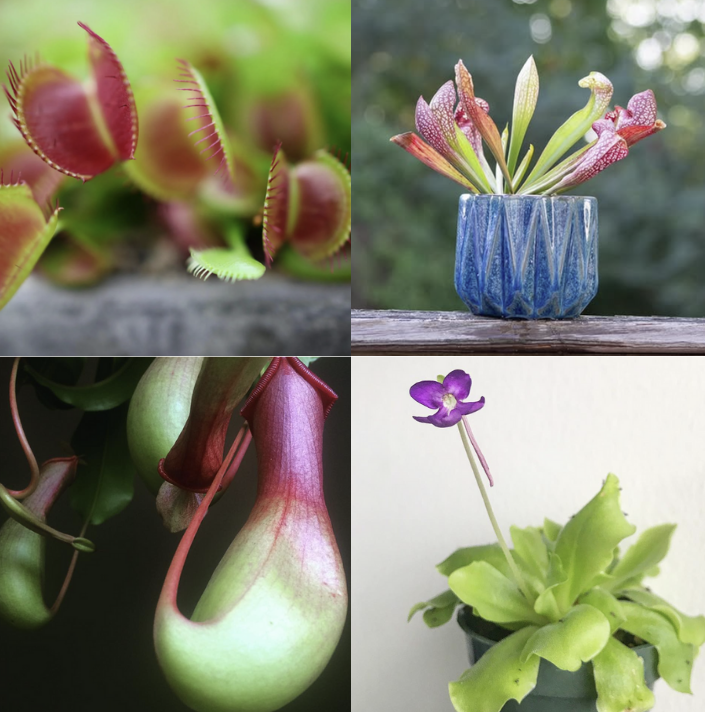
There are over 700 species of carnivorous plants worldwide. They use different trapping styles. Each one is unique.
Here are the main types of carnivorous plants:
Venus Flytraps
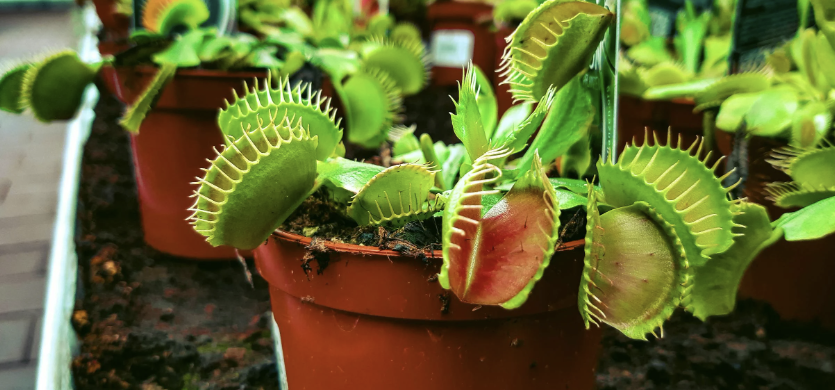
The Venus flytrap (Dionaea muscipula) snaps shut when trigger hairs are touched. It is famous and iconic. It is also misunderstood.
Sundews
Sundews use sticky glue called mucilage. Insects get stuck and are slowly digested. The Cape sundew (Drosera capensis) is very popular.
Pitcher Plants
These plants use deep cups filled with liquid. Insects fall in and drown.
- American pitcher plants (Sarracenia)
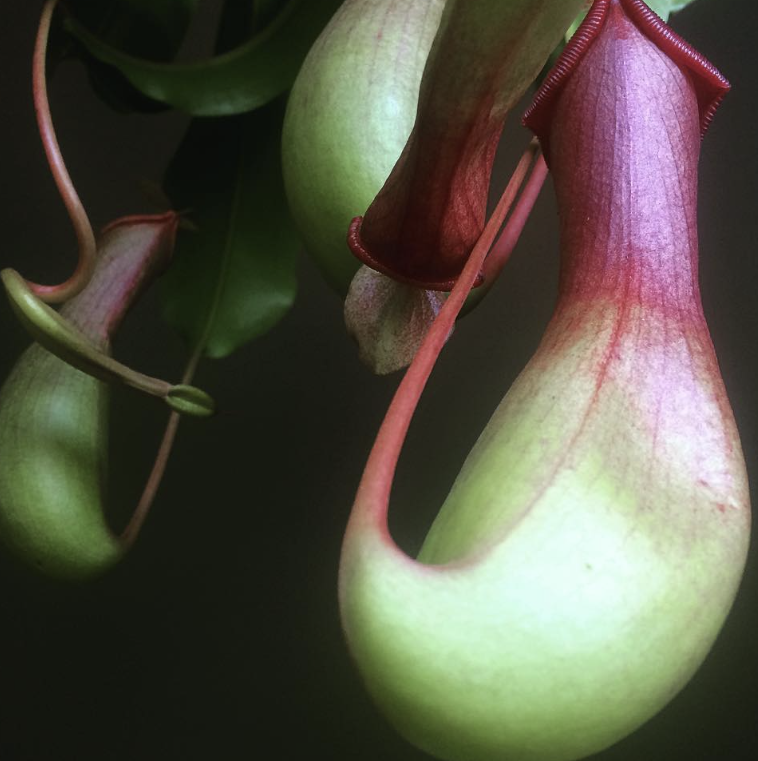
- Tropical pitcher plants (Nepenthes, Scarlet Belle Pitcher or monkey cup plants)
Butterworts
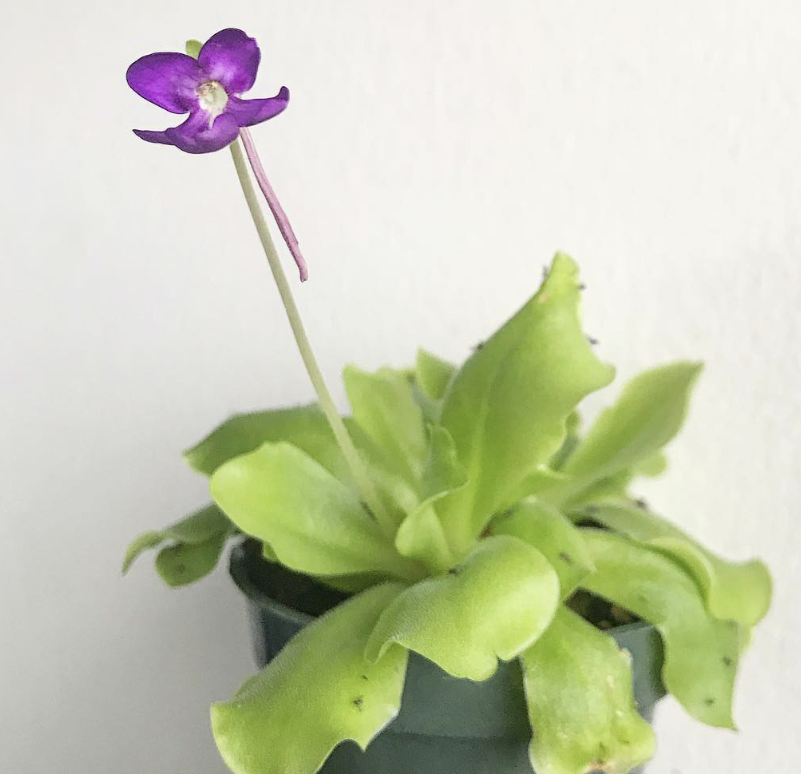
Butterworts have smooth, sticky leaves. Small insects stick and dissolve.
Bladderworts
These are aquatic or soil plants. They use suction traps to catch tiny prey like water fleas.
Cobra Lilies
Rare and advanced plants with complex traps. Not ideal for beginners.
Each group comes from similar nutrient-poor habitats, but care needs differ.
Best Carnivorous Plants for Indoors
Not all carnivorous plants enjoy indoor growing. Some need winter cold. Others need strong light.
Here are the best carnivorous plants for indoors:
Cape Sundew (Drosera capensis)
This is one of the easiest plants to grow. It tolerates mistakes well. It loves bright light and catches fungus gnats easily.
Tropical Pitcher Plants (Nepenthes)
Also called monkey cup plants or monkey jars. They thrive indoors with indirect light and high humidity.
Butterworts
Butterworts are compact and elegant. They do well on sunny windowsills. Many species stay small and neat.
Bladderworts
Some terrestrial species grow well in pots. They are great for small insects.
These plants need little space. They work well in apartments and offices.
Which Carnivorous Plants Are Best for Beginners?
Beginners should choose plants that forgive mistakes.
The easiest way to start is with these:
- Cape sundew
- Tropical pitcher plants
- Butterworts
A first Venus flytrap is possible. However, it needs a winter dormancy period. Many beginners skip this step.
Plants from the grocery store or pet shop may look healthy. However, they often suffer later. Always check care labels.
What Is Important When Caring for Carnivorous Plants?
Several factors matter more than anything else. If you get these right, success follows.
Water Quality
This is critical. Always use distilled water, rain water, or reverse-osmosis water.
Tap water contains minerals and salt content. These damage roots over time. A source of mineral-free water is essential.
Light
Most carnivorous plants need bright light. Some need full sun. Others prefer indirect light.
A sunny windowsill works well. South-facing windows are best in the northern hemisphere.
If natural light is low, use artificial light. Fluorescent tubes work well. LED grow lights also help.
Soil
Never use regular potting soil. It contains fertilizer.
Use peat moss mixed with sand. Use horticultural sand, contractor’s sand, or part sand works. Avoid fine dust.
A common ratio of the mix is:
- 1 part peat moss
- 1 part sand
This mimics soggy bogs and nutrient-poor soil.
Pots
Use plastic pots only. Clay pots release minerals. Drainage holes are important.
Humidity
Many tropical species need high humidity. Grouping plants helps. So does a tray system.
Avoid placing plants near an air conditioner or heat pump.
How Do I Care for Specific Carnivorous Plants?
Let’s break it down by plant type.
Venus Flytrap Care
Venus flytraps need direct sunlight. They prefer full sun during the growing season.
Keep soil moist, not flooded. Use a shallow tray to manage the water level.
They need a winter dormancy period during winter months. This rest keeps them healthy long-term.
Do not overfeed. They catch enough insects outdoors. Indoors, feed rarely.
Sundew Care
Sundews love bright light and soggy soil. Keep the pot sitting in water.
The sticky mucilage of the sundews should sparkle. If not, increase light.
Cape sundews do not need dormancy. They grow year-round indoors.
Pitcher Plant Care
Nepenthes pitcher plants like indirect light and warm temperatures. They are tropical plants.
They prefer high humidity and good airflow. Do not fill pitchers with tap water.
American pitcher plants need dormancy. Tropical pitcher plants do not.
Butterwort Care
Butterworts enjoy bright light and moist soil. Many species change leaf shape seasonally.
They are great for fungus gnats and small flies.
Bladderwort Care
These plants enjoy wet conditions. Some grow well in shallow pots.
They catch tiny prey using suction traps. Feeding is not needed.
Feeding Carnivorous Plants Indoors
Carnivorous plants do not need constant feeding. This surprises many people.
As a general rule, feed only if there are not enough insects.
Use:
- Live insects
- Freeze-dried insects
- Cultures of wingless fruit flies
Never feed meat or human food. This causes rot.
During winter conditions, feeding is often unnecessary.
Can You Put Carnivorous Plants in a Terrarium?
Yes, but be careful.
A carnivorous plant terrarium works best for tropical species. Sundews and butterworts do well.
Avoid typical terrarium plants. They need fertilizer.
Watch the condensation line. Too much moisture causes mold. Good airflow matters.
Can You Grow Carnivorous Plants Hydroponically?
Some growers succeed with hydroponics. However, it is advanced.
Plants still need low nutrients. The water must stay mineral-free.
For beginners, soil growing gives the best results.
How to Make a Bog Garden Indoors
A bog garden mimics natural conditions.
Use a wide container. Add peat moss and sand. Keep soil soggy.
Plant multiple bog plants together. This creates stable humidity.
It is a wonderful way to display carnivorous plants.
Common Mistakes to Avoid
- Using tap water
- Using standard potting soil
- Low light
- No dormancy for temperate plants
- Overfeeding
- Letting soil dry out
Avoid these, and your plants will thrive.
FAQ
Types of carnivorous plants
Flytraps, sundews, pitcher plants, butterworts, bladderworts, and cobra lilies.
How many carnivorous plants are there
There are over 700 known species worldwide.
Examples of carnivorous plants
Venus flytrap, cape sundew, purple pitcher plant, monkey cup plant, butterwort.
How to feed carnivorous plants
Feed small insects only if needed. Never use meat.
How to make a bog garden for carnivorous plants
Use peat moss, sand, plastic pots, and mineral-free water.
Can you propagate carnivorous plants
Yes. Many propagate through division, leaf cuttings, or seed.
Can you grow carnivorous plants hydroponically
Yes, but it is advanced and not ideal for beginners.
Can you put carnivorous plants in a terrarium
Yes, especially tropical species. Airflow is important.
Best carnivorous plants for mosquitoes
Sundews and pitcher plants catch mosquitoes well.
Best carnivorous plants for house flies
Pitcher plants and Venus flytraps work best.
Best carnivorous plants for spiders
Pitcher plants and butterworts catch wandering spiders.
Best carnivorous plants for indoors
Cape sundew, tropical pitcher plants, and butterworts.
Carnivorous plants are more than just strange plants. They are living science experiments. They reward patience and curiosity.
With the right light, water, and soil, anyone can grow them. Even in little space.