
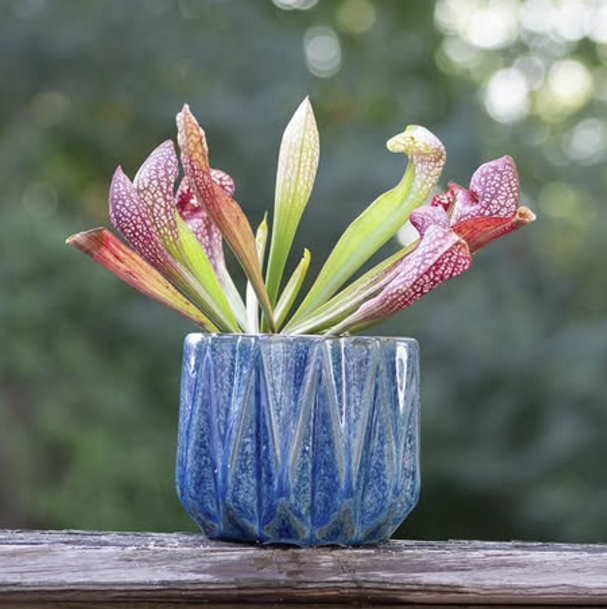
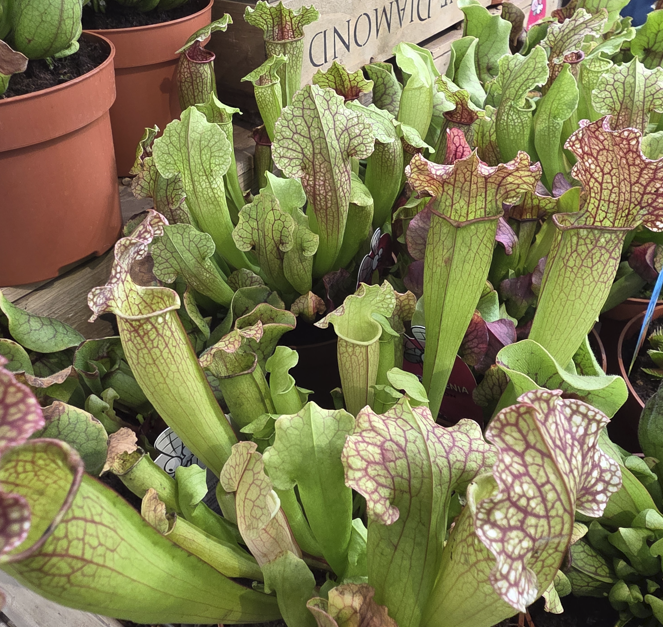
The Scarlet Belle pitcher plant (Sarracenia ‘Scarlet Belle’) is one of the most stunning carnivorous plants you can grow. Its beautiful red veins and white areoles make it stand out.
Like the venus flytraps, its insect-catching ability offers a fascinating glimpse into nature’s ingenuity.
As a hybrid of Sarracenia psittacina and Sarracenia leucophylla, it’s compact, fast-growing, and surprisingly easy to care for when provided with the right conditions.
Whether you’re adding it to a bog garden or keeping it as a conversation-starting indoor plant, the Scarlet Belle is a great choice for plant lovers.
Not sure which carnivorous plant is right for? Read my post on Best Indoor Carnivorous Plants: How To Choose Which Is Right For You
Background and Natural Environment
The Scarlet Belle pitcher plant is a cultivated variety of a simple hybrid. Its botanical name is Sarracenia ‘Scarlet Belle’. It is part of the Sarracenia group, also called American pitcher plants.
Scarlet Belle is a cross between Sarracenia leucophylla and Sarracenia psittacina. Both are carnivorous plants native to North America. They naturally grow in areas with wet, poor soils.
In their natural habitats, Sarracenia plants often grow in bogs and wet pine savannas. These areas can have plenty of sunlight but very few nutrients in the soil.
That poor soil is one reason pitcher plants evolved to catch insects. Their roots absorb water and some nutrients, while their pitchers provide an extra source of nutrients.
Scarlet Belle is a compact plant compared with some other Sarracenia species. It produces beautiful red pitchers with pale markings and red veins.
The plant can also develop new leaves throughout the growing season. With good growing conditions, mature plants can produce a striking clump of pitchers.
Why Grow a Scarlet Belle Pitcher Plant?
Scarlet Belle pitcher plants aren’t just beautiful; they’re functional too.
These carnivorous plants thrive in nutrient-poor soils and catch insects to meet their nutritional needs. They’re perfect for anyone looking to explore unique plants or control insects naturally. With vibrant red pitchers adorned with white spots, they add a bold aesthetic to your collection while requiring relatively simple care routines. Their compact size also makes them suitable for smaller spaces.
Love carnivorous plants? Read our post on the Ultimate Monkey Cup Plant Care: The Complete Guide for Beginners.
How to Identify the Scarlet Belle
Scarlet Belle pitcher plants have short, curved pitchers with white areoles (small translucent spots) and deep red veins. The pitchers grow upright but have a unique “upside-down umbrella” shape at the top.
Size
The Scarlet Belle remains compact, reaching about 12–18 inches tall when mature.
This makes it ideal for tight spaces or smaller bog gardens. Despite its size, its pitchers are more than capable of trapping flies, moth larvae, and other small insects.
Scarlet Belle Pitcher Plant: Beginner Information
Scarlet Belle can look difficult to care for at first. However, the main care rules are quite simple.
The most important things are light, pure water, wet soil, and the right growing medium. If you get these basics right, the plant can be surprisingly easy to grow.
Unlike many houseplants, you should not allow the soil to dry out. Sarracenia plants naturally grow in very wet conditions.
They also need much more light than many common indoor plants. A sunny windowsill can work indoors, but you may need to use a grow light if the plant does not receive enough light.
Water quality is also very important. Tap water can contain minerals that build up in the soil and damage the roots over time.
Rain water, distilled water, or suitable pure water is usually a much safer choice.
The plant also needs a winter dormancy period. This is a normal part of its yearly care routine.
So, Scarlet Belle is not necessarily difficult. However, it has different needs from most common houseplants.
Is Scarlet Belle Care Similar to Any More Common Plants?
Scarlet Belle has some care needs that are similar to Venus flytraps.
Both are carnivorous plants that need high light and pure water. Both also benefit from wet growing conditions and a winter dormancy period.
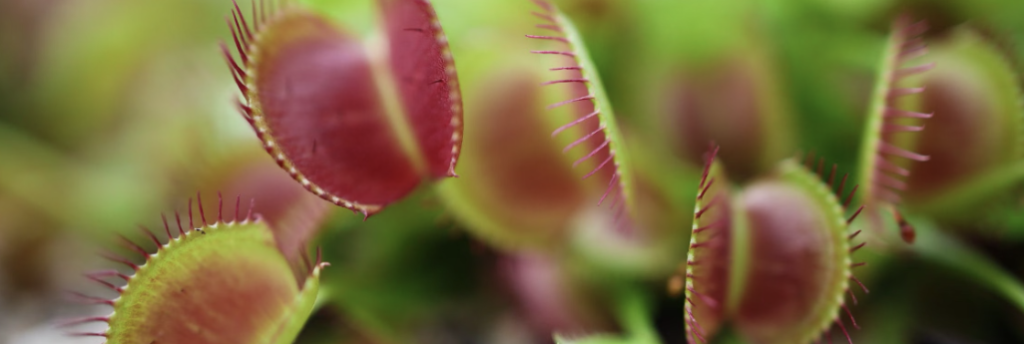
However, Sarracenia are not exactly the same as Venus flytraps.
Scarlet Belle tends to grow into an upright clump of pitchers. Some Sarracenia species produce tall pitchers, while others stay more compact.
The plant is also quite different from most non-carnivorous leaves and common houseplants.
If you already know how to care for Venus flytraps, you will have a useful starting point. However, always follow care instructions for the specific Sarracenia species.
Light Requirements
Scarlet Belle pitcher plants need full sun or at least 6–8 hours of direct sunlight daily.
This high-light requirement is essential for producing vibrant red pitchers and maintaining the plant’s health.
If you’re growing indoors, place the plant in a bright window with direct sun or under a grow light to ensure it receives enough light. Insufficient light can result in weaker growth and faded coloring.
Watering
Proper watering is critical for the Scarlet Belle.
Always use pure water, such as rain water, distilled water, or reverse osmosis water, as minerals in tap water or bottled water can harm the plant.
Keep the soil consistently wet by placing the pot in a tray of water. About an inch of water in the tray is ideal, but never let the plant dry out completely, as it thrives in wet, bog-like conditions.
Temperature
The Scarlet Belle pitcher plant prefers warm temperatures during its growing season, ideally between 60–85°F.
During winter dormancy, it can tolerate cooler temperatures, even dipping close to freezing for short periods.
If you’re growing it outdoors in colder regions, use a heat pack or bring it inside to protect it from frost.
Humidity
High humidity levels are essential for healthy pitcher plants.
The Scarlet Belle thrives in environments with at least 50% humidity, though 70–80% is ideal.
If you live in a drier climate or use central heating during the winter months, consider placing the plant on a humidity tray or near a humidifier. Misting the plant lightly can also help maintain the moderate humidity levels it requires.
Soil
Scarlet Belle pitcher plants need nutrient-poor, acidic soil to thrive.
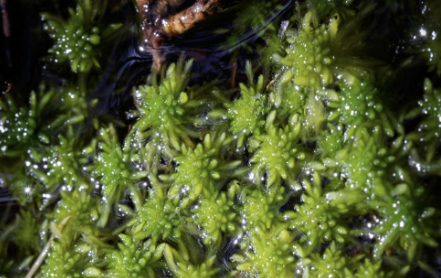
A mix of sphagnum moss and part perlite is an excellent choice for well-draining soil. Avoid using regular potting soil, as its nutrient content can harm the plant, causing root rot or other signs of distress.
Fertilizer
Unlike traditional plants, Scarlet Belle pitcher plants don’t need fertilizer, as they obtain nutrients from the insects they catch.
If you’d like to supplement their diet, you can feed them small live or dried insects during the growing season. Avoid overfeeding, as this can lead to mushy stalks or poor plant health.
Potting
Choose a pot with adequate drainage holes to prevent waterlogging.
Scarlet Belle pitcher plants do well in plastic pots or ceramic containers, but make sure they have a water tray beneath them to keep the soil moist.
Repot every 2–3 years during early spring to refresh the soil and provide the plant with space for its expanding root ball.
Should You Grow Scarlet Belle Indoors or Outdoors?
Scarlet Belle can grow indoors or outdoors, but outdoors is often easier when the climate is suitable.
A sunny outdoor position can provide the high light that Sarracenia needs. A bog garden or water tray can also make it easier to maintain wet soil.
Choose a spot that receives several hours of direct sunlight each day. More light usually helps produce stronger growth and better pitcher colour.
However, you need to protect the plant from extreme conditions. Very strong summer heat can cause stress if the roots become too hot.
Scarlet Belle can also grow indoors. However, a bright south-facing window is usually much better than a dim room.
If you cannot provide enough light indoors, a grow light can help.
For indoor plants, keep the pot sitting in a water tray during the growing season. This allows the growing medium to remain wet.
Avoid placing the plant directly beside a radiator. Dry indoor air and heat can make care more difficult.
Pruning of Scarlet Belle Pitcher Plant
Remove dead leaves and pitchers regularly to keep your Scarlet Belle in good condition.
Pruning prevents mold or fungus from developing on decaying parts of the plant. Use a sharp knife or scissors and cut back dead foliage to the base.
Propagation of Scarlet Belle Pitcher Plant
Propagating Scarlet Belle is best done through division.
In early spring, carefully separate the root ball into smaller sections, ensuring each division has at least one healthy rhizome and green shoots.
Plant each section in fresh soil and provide plenty of light and water.
Seasonal Care for Scarlet Belle Pitcher Plant
Scarlet Belle’s needs change throughout the year. Understanding these seasonal changes can make the care routine much easier.
Spring
Early spring marks the start of spring growth. As temperatures rise, your plant should begin producing new leaves and new pitchers. This is a good time to check the plant and remove dead leaves from the previous season.
Increase light as the days become longer. If your plant grows indoors, move it toward a brighter window if needed. Keep the growing medium wet and continue using rain water or distilled water.
Spring is also a good time to repot if the plant has outgrown its container. Use a suitable Sarracenia growing medium. A common mix contains sphagnum moss and perlite.
Avoid ordinary houseplant compost. Sarracenia plants naturally grow in poor soils and are sensitive to excess nutrients.
Summer
Summer is usually the main growing season. Your Scarlet Belle should receive high light and several hours of direct sunlight. Strong light encourages healthy pitchers and can improve the red colour.
Keep the soil consistently wet. One easy method is to stand the pot in a water tray. Keep around an inch of water in the tray during the growing season. Check the tray regularly during periods of summer heat. It can dry faster than expected. Always refill it with rain water or distilled water. Do not use fertilised water or regular plant food.
Your Scarlet Belle can catch insects naturally when grown outdoors. There is usually no need to feed it yourself.
Late Summer and Early Fall
Late summer is often when the plant is still actively growing. You may see new pitchers forming while older pitchers begin to decline. Continue providing plenty of light and wet soil.
In early fall, temperatures begin to drop. Your plant will gradually slow down. Do not panic if some pitchers start turning brown. This is part of the natural seasonal cycle.
Fall
As the days become shorter, growth slows.
You may notice fewer new pitchers and leaves.
This is the start of the plant preparing for its dormancy period.
Continue providing strong light where possible.
Keep the growing medium wet, but adjust the water level if temperatures become much colder.
Remove dead leaves when needed. However, do not cut healthy green growth.
Winter
Winter dormancy is an important part of Sarracenia care.
Scarlet Belle needs a dormancy period to remain healthy over the long term.
Cold temperatures help trigger this natural resting stage.
During dormancy, the plant may stop producing new pitchers. Some existing pitchers may turn brown or die back.
This does not always mean something is wrong.
Keep the plant cool and provide plenty of light.
You should still prevent the growing medium from completely drying out. However, the plant may need less water than during summer.
Avoid keeping the plant warm and actively growing all winter. A lack of dormancy can weaken the plant over time.
Plant Benefits
Scarlet Belle is a great addition to a collection of unusual plants.
Its biggest benefit is its appearance. The red pitchers and pale markings make it stand out from ordinary houseplants.
It is also useful for people who enjoy learning about plant adaptations.
Sarracenia plants have developed special pitcher structures that allow them to capture insects. This makes them particularly interesting for anyone who enjoys botany and plant science.
Outdoor plants can also catch small insects naturally.
However, they should not be treated as a replacement for normal pest control.
A Scarlet Belle pitcher plant can also be a great educational plant for children. Its unusual structure provides an easy way to explore how plants adapt to their environment.
It is a really unusual plant that can add something different to a plant collection.
Pests
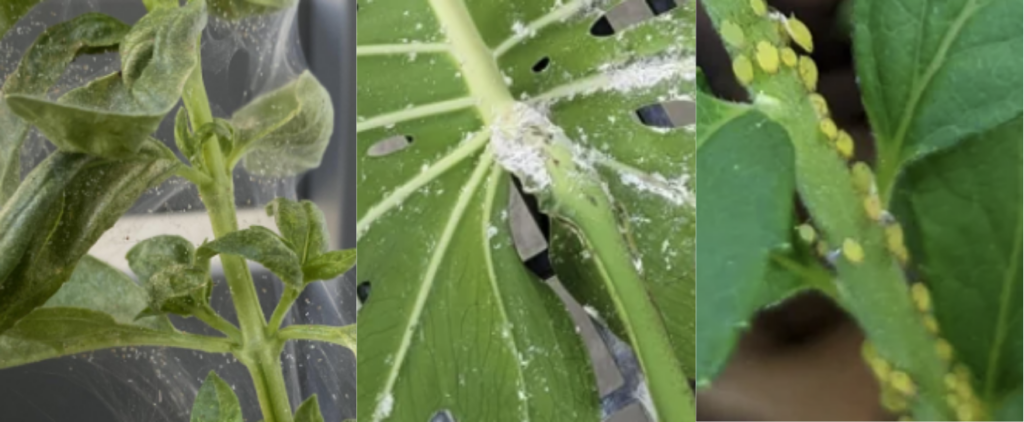
While Scarlet Belle pitcher plants are naturally resistant to many pests, they can occasionally be affected by aphids, mealybugs, or spider mites.
These pests may target the plant’s non-carnivorous leaves or pitchers. Treat infestations with insecticidal soap or neem oil, and rinse the plant gently with pure water.
Diseases
Scarlet Belle pitcher plants can suffer from root rot if their soil stays overly wet without proper drainage.
Leaf spot, a fungal disease, may also occur in high-humidity environments with poor air circulation. To avoid these issues, ensure the plant receives adequate light, good ventilation, and proper watering.
Is Scarlet Belle Pitcher Plant Toxic?
Scarlet Belle pitcher plants are non-toxic to humans and pets.
However, the sticky digestive enzymes inside the pitchers are designed to break down insects and may cause irritation if touched repeatedly. It’s best to keep the plant out of reach of curious pets.
Common Issues
- Weak pitchers: Caused by not enough light or incorrect watering.
- Brown spots on pitchers: Often due to mineral buildup in water or overfeeding.
- Mold on soil: Caused by poor air circulation or overwatering.
- Pitchers drying out: A sign of low humidity or drought stress.
- Slow growth: May occur naturally during winter dormancy.
Difficulty Level of Scarlet Belle Pitcher Plant
The Scarlet Belle is a relatively easy carnivorous plant to care for, making it suitable for beginners and experienced growers alike.
Its compact size, low-maintenance water needs, and vibrant appearance make it a perfect choice for anyone interested in carnivorous plants.
What Species of Sarracenia Should You Get?
If you’re interested in other Sarracenia species, consider these options:
- Sarracenia purpurea (Purple Pitcher Plant): Low-growing and hardy in cooler climates.
- Sarracenia flava (Yellow Pitcher Plant): Tall, bright yellow pitchers with a distinctive hood.
- Sarracenia leucophylla (White Pitcher Plant): Known for its tall, striking white pitchers.
The Scarlet Belle pitcher plant is a great choice for anyone seeking an unusual, beautiful, and functional plant.
With its ease of care, stunning red and white pitchers, and natural insect control abilities, it’s sure to be a standout in your collection.
By providing adequate light, humidity, and water, your Scarlet Belle will thrive, offering you years of enjoyment.
Should You Get a Scarlet Belle Pitcher Plant?
Scarlet Belle is worth considering if you want something different from a standard houseplant.
It is especially suited to plant lovers who enjoy carnivorous plants and are happy to follow a specific care routine.
The plant does have a few strict requirements. Pure water, high light, wet soil, and winter dormancy are important.
However, once these needs are understood, the care becomes much simpler.
If you have a sunny outdoor space, Scarlet Belle can be particularly rewarding.
It can also grow indoors if you can provide adequate light and suitable conditions.
If you want an unusual plant with beautiful pitchers and fascinating adaptations, Scarlet Belle could be a great addition to your collection.
Frequently Asked Questions
Are pitcher plants hard to keep alive?
Pitcher plants are not necessarily hard to keep alive. However, their care is different from that of most common houseplants.
The biggest things to get right are water, light, soil, and dormancy.
They need pure water rather than ordinary tap water. They also need wet soil and high light.
Once you understand these needs, Sarracenia care becomes much easier. The biggest mistake is often treating a pitcher plant like a normal indoor plant. Do not let the soil dry out. Also avoid ordinary potting soil and fertiliser. With good growing conditions, Scarlet Belle can be a rewarding plant for beginners.
Should I cut off brown pitchers on my Scarlet Belle pitcher plant?
You can remove completely brown pitchers from your Scarlet Belle.
However, there is no need to remove a pitcher just because the top has started turning brown.
Older pitchers naturally decline during the growing season.
Wait until the pitcher is mostly or completely brown before removing it.
Use clean scissors to cut it back near the base.
Avoid cutting healthy green pitchers.
If several pitchers suddenly turn brown, check the condition of the plant.
Look at the water quality, light, temperature, and soil moisture.
Sudden changes can sometimes cause stress.
What is the lifespan of a pitcher plant?
Individual pitchers do not live forever.
A single pitcher may remain useful for several months before naturally declining.
However, the whole plant can live for many years with good care.
Healthy adult plants can continue producing new pitchers each growing season.
The exact lifespan depends on the species, growing conditions, and overall care.
Scarlet Belle is a perennial plant, so it can return and grow again after winter dormancy.
What if I put my finger in a pitcher plant?
Nothing dramatic will happen.
Sarracenia pitchers are designed to catch insects. They cannot digest or trap a human finger.
The inside of the pitcher contains a slippery surface and digestive fluid. However, these features are designed for small prey.
Putting your finger inside the pitcher is still not a good idea.
You can damage the pitcher or contaminate the fluid.
It is best to simply admire the plant and leave its pitchers alone.
Do pitcher plants bloom every year?
Healthy adult Sarracenia plants can bloom every year.
Flowers usually appear in early spring.
The flowers often appear before the new pitchers develop fully.
Scarlet Belle can produce attractive flowers when it is mature and growing well.
However, young plants may not flower every year.
Flowering also uses energy, so a stressed plant may focus on producing leaves and pitchers instead.
If your plant does not flower, do not assume something is wrong.
Good light, suitable water, and proper dormancy are more important than flowers.
What do I feed pitcher plants?
You usually do not need to feed an outdoor pitcher plant.
Sarracenia plants naturally catch insects.
Flies, ants, moths, and other small insects can become trapped in the pitchers.
If your plant grows indoors, it may catch fewer insects.
In that case, you can occasionally provide a small insect.
Do not give it meat, cheese, or other human food.
Avoid overfeeding the plant.
It does not need a constant supply of insects to survive.
The plant still gets energy from photosynthesis. Insects mainly provide extra nutrients that are scarce in its natural soil.
How do I know if my pitcher plant is hungry?
You do not need to look for signs of hunger like you would with an animal.
A healthy pitcher plant can usually catch its own food.
If an indoor plant receives very few insects, you can occasionally provide a suitable small insect.
However, a lack of insects does not automatically mean the plant is unhealthy.
Look at the overall condition of the plant instead.
Healthy plants should produce new leaves and pitchers during the growing season.
Good colour and steady growth are much more useful signs than the number of insects it catches.
What is the biggest thing a pitcher plant can eat?
Sarracenia plants usually catch small insects.
The exact size depends on the species and pitcher size.
A huge pitcher from a larger Sarracenia species can catch larger prey than a compact plant.
However, Scarlet Belle should not be given large insects or animals.
Small insects are more suitable.
Never place large prey into the pitcher by force.
The plant is adapted to catching prey naturally.
Do pitcher plants like to hang?
Scarlet Belle is not usually grown as a hanging plant.
It grows as a compact clump of upright pitchers.
Some Sarracenia species can have pitchers that arch or fall outward. However, this does not mean the plant needs to hang.
A normal pot placed on a sunny windowsill or outside is usually better.
The important thing is giving the plant enough light.
Do pitcher plants like to be wet?
Yes.
Sarracenia plants naturally grow in wet boggy environments.
Their growing medium should stay consistently moist.
During the growing season, keeping the pot in a water tray is a simple way to provide enough moisture.
You can keep around an inch of water in the tray.
Always use rain water or distilled water.
Avoid letting the soil dry out completely.
At the same time, the plant still needs suitable growing media and good air movement.
Wet does not mean stagnant or waterlogged with poor drainage.
Do pitcher plants need direct sunlight?
Scarlet Belle needs high light to grow well.
Several hours of direct sunlight can help produce strong pitchers and good colour.
Outdoor plants usually have an easier time getting enough light.
Indoor plants should be placed in the brightest suitable window.
If natural light is not strong enough, a grow light can help.
Do not move a plant from low light into intense full sun immediately.
Gradually increase the amount of light to reduce stress.
How often should you water a Scarlet Belle pitcher plant?
Do not follow a strict watering schedule.
Instead, focus on keeping the growing medium consistently wet.
During the growing season, placing the pot in a water tray can make this easier.
Keep around an inch of rain water or distilled water in the tray.
Check the tray often during summer heat.
The water may evaporate quickly in warm conditions.
During winter dormancy, the plant may need less water. However, the growing medium should still not dry out completely.
What should I do if my pitcher plant is turning brown?
A few brown pitchers are normal.
Older pitchers naturally die as the plant produces new growth.
However, the top of a pitcher plant turning brown can sometimes point to environmental stress.
Check the amount of light first.
Then check the water quality and soil moisture.
Make sure you are using rain water or distilled water.
Also check for very high temperatures or sudden changes in conditions.
If only old pitchers are turning brown, the plant may simply be following its normal growth cycle.
Can Scarlet Belle grow indoors?
Yes, Scarlet Belle pitcher plant care indoors can work well.
The main challenge is providing enough light.
Place the plant in a very bright window where it receives several hours of direct sunlight.
You should also use distilled water or rain water.
Keep the soil wet and avoid ordinary potting compost.
If your home does not receive enough natural light, use a suitable grow light.
Remember that indoor Scarlet Belle plants still need a winter dormancy period.
Can Scarlet Belle grow outdoors?
Yes.
Scarlet Belle pitcher plant care outdoors can be very rewarding.
An outdoor position can provide the high light and natural insects the plant needs.
Place it somewhere sunny with consistently wet soil.
A bog garden or water tray can work well.
Protect the plant from extreme environmental factors, such as sudden temperature changes.
Scarlet Belle is a hardy perennial when given suitable conditions.
Summary
Scarlet Belle is a fascinating plant with a care routine that is different from most houseplants.
It needs plenty of light, pure water, wet soil, and a winter dormancy period.
Once you understand these basic needs, it becomes much easier to grow.
The beautiful red pitchers make it a striking addition to a plant collection. Its carnivorous nature also makes it a great plant for anyone who enjoys unusual species.
Give it the right environment and avoid the most common mistakes.
With good growing conditions, your Scarlet Belle can produce new pitchers year after year.