
Spider plants are one of the easiest indoor plants you can grow.
They are low maintenance, fast growing, and forgiving if you forget to water now and then. With their long, arching leaves and baby plantlets hanging from stems, they bring life to any indoor space.
Because they grow faster than snake plants and many other houseplants, spider plants use up nutrients more quickly. That often leads to one simple question: what is the best fertilizer for spider plants?
If you want fuller growth, brighter leaves, and more baby spiderettes, this guide will walk you through exactly what to do.
For all the care tips, read my post on How to Revive a Spider Plant.
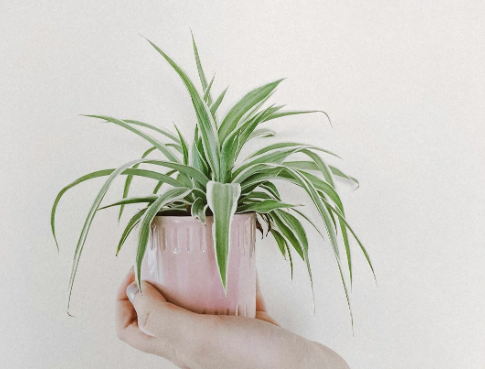
Do Spider Plants Even Need Fertilizer?
Spider plants can survive without fertilizer, but they grow much better with light feeding. Unlike slow-growing plants, these plants are active growers during spring and summer. They produce long leaves and send out runners with baby plants.
In pots, nutrients in the potting mix get used up over time. Watering also washes nutrients out through the drainage holes. Without feeding, growth may slow and leaf tips may brown.
Fertilizer is not about forcing growth. It is about supporting steady, healthy development.
Signs Your Spider Plant Is Actively Growing
Spider plants grow most during spring and summer. This is their growing season. You will see fresh leaves forming from the center of the plant. The leaves look firm, slightly glossy, and bright green or variegated.
You may also see long stems growing outward with small baby plants attached. These spiderettes are a sign the plant is healthy and happy.
If growth slows during fall and winter, that is normal. Feeding should slow down too.
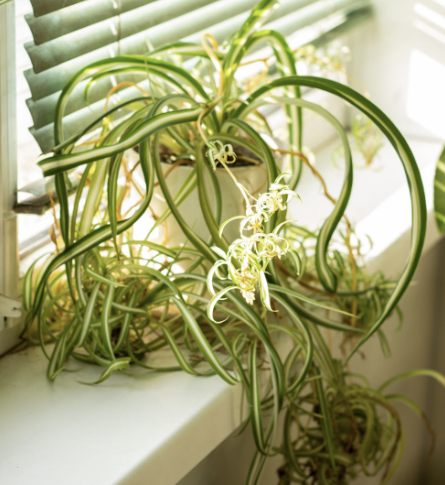
Can Spider Plants Survive Without Fertilizer?
Yes, spider plants can survive without fertilizer for quite a while. They are tough and adaptable. However, without nutrients, growth becomes slower and leaves may look pale over time.
In fresh potting soil, especially if it contains slow-release fertilizer, new plants may not need feeding for several months. Over time, though, light feeding helps maintain strong roots and steady growth.
Signs Your Spider Plant Needs Fertilizer
If your spider plant looks dull or stops producing new leaves during the growing season, it may need nutrients. Pale leaves, smaller new growth, or fewer baby plants can also be signs.
Before adding fertilizer, check watering habits. Brown leaf tips are often caused by fluoride in tap water or inconsistent watering, not always a nutrient problem. Always rule out root rot and poor drainage first.
Best Fertilizer for Spider Plants
The best fertilizer for spider plants is balanced and gentle. A balanced NPK ratio such as 10-10-10 or 1-1-1 works well. These plants do not need heavy feeding, and too much fertilizer can cause brown tips and salt buildup in the soil.
Liquid fertilizer is usually the easiest choice for indoor plants. It spreads evenly through the soil and allows you to control the strength.
Diluting to half strength is often the safest approach.
NPK Ratio Explained
NPK stands for nitrogen, phosphorus, and potassium. These three nutrients support different parts of the plant.
Nitrogen supports leafy growth, which is important because spider plants are grown for their long arching leaves. Phosphorus supports roots and baby plant formation. Potassium helps overall plant health and resilience.
A balanced ratio supports steady growth without pushing the plant too hard.
Liquid vs. Granular Fertilizer
Liquid fertilizer is ideal for spider plants in pots. It mixes with water and distributes evenly through the soil. This reduces the risk of fertilizer burn.
Granular fertilizer can work, but it must be used carefully. In small containers, it may build up and create salt problems. Slow-release pellets are convenient but should be used sparingly.
For most indoor gardeners, liquid fertilizer every few weeks during the growing season is the simplest method.
Top Store-Bought Recommendations
Look for balanced all-purpose liquid houseplant fertilizer. Fertilizers labeled for foliage plants also work well. Organic liquid fertilizers made from natural ingredients are another good option.
Always read the label. Some potting mixes already contain fertilizer. Adding more too soon can lead to overfeeding and brown leaf tips.
Natural and Homemade Fertilizer for Spider Plants
If you prefer natural options, diluted compost tea or fish emulsion can work well during active growth. These provide gentle nutrients without overwhelming the roots.
Coffee grounds are often suggested, but they are not the best choice for spider plants in pots. Coffee grounds can compact the soil and affect drainage. These plants prefer well-draining soil and do not need acidic fertilizer.
Banana peel water can provide small amounts of potassium, but it should be diluted and used sparingly.
With homemade fertilizers, always use less than you think you need.
Organic vs. Synthetic Fertilizers
Organic fertilizers release nutrients more slowly and are less likely to cause fertilizer burn. They also improve soil health over time. Synthetic fertilizers act faster and can correct deficiencies quickly.
Both types can work well. The key is moderation and proper timing.
When to Fertilize Spider Plants
The best time to fertilize your plant is during spring and summer. This is when they are actively growing. Start feeding once you see new leaves forming.
Reduce feeding in fall and stop during winter if growth slows. Feeding during dormancy can stress the plant.
How Often to Fertilize Spider Plants
Most spider plants benefit from feeding every two to four weeks during the growing season. Always dilute liquid fertilizer to half strength unless the label says otherwise.
If your plant is in fresh soil with slow-release nutrients, you may need to feed less often.
How to Fertilize Spider Plants (Step-by-Step)
Water the plant lightly first. This protects the roots from burning. Mix your liquid fertilizer at half strength. Pour slowly onto the soil, avoiding the leaves. Allow water to drain freely from the bottom of the pot.
Empty the saucer after watering so roots do not sit in standing water.
Avoiding Fertilizer Burn
Fertilizer burn shows up as brown leaf tips or edges. Salt buildup in the soil can also create a white crust on the surface. To prevent this, flush the soil with clean water every few months.
Using filtered or rainwater may also help reduce brown tips caused by mineral buildup.
Signs of Over-Fertilizing
Too much fertilizer can cause leaf tip burn, weak growth, or yellowing leaves. The plant may look stressed even if the soil is moist.
Overfed plants are also more likely to attract pests.
How to Fix Too Much Fertilizer
Stop feeding immediately. Flush the soil thoroughly with clean water to remove excess salts. If damage continues, repot the plant in fresh potting mix with good drainage.
Allow time for recovery before fertilizing again.
Common Mistakes to Avoid
A common mistake is feeding too often. Another is using full-strength fertilizer. Ignoring drainage holes or letting water collect at the bottom of the pot can also cause root problems.
Remember, more fertilizer does not mean faster growth. These plants prefer steady, gentle care.
Frequently Asked Questions
What is the best fertiliser for spider plants?
A balanced liquid houseplant fertilizer, diluted to half strength, works best for steady growth.
Should you feed spider plants?
Yes, light feeding during spring and summer supports healthy leaves and baby plant production.
When should you fertilize spider plants?
Fertilize during the growing season in spring and summer. Reduce or stop during fall and winter.
Are coffee grounds good for spider plants?
No, coffee grounds are not ideal for potted spider plants. They can affect drainage and are not necessary.
Do spider plants like acid fertilizer?
Spider plants prefer neutral to slightly acidic soil. They do not require strongly acidic fertilizer.
What is a good natural fertilizer for spider plants?
Diluted compost tea or fish emulsion can provide gentle nutrients during active growth.
Spider plants are generous, fast growers that respond well to light, consistent feeding. With balanced fertilizer, proper watering, and good drainage, they reward you with long leaves and plenty of baby plants.
Keep it simple, feed lightly, and let the plant show you what it needs.