
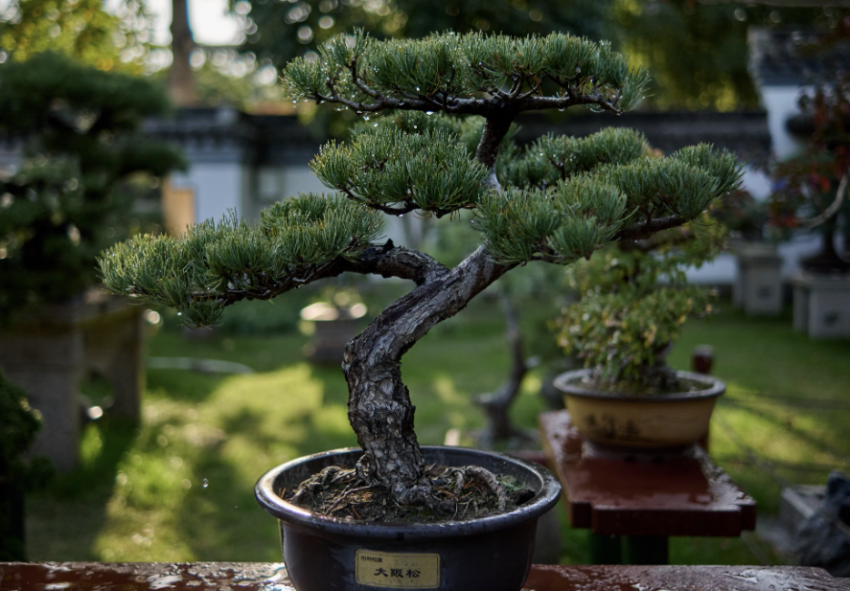
A bonsai tree may be small, but it still needs the right care to stay healthy. One of the most important parts of bonsai care is feeding your tree with the right fertilizer. Without it, your tree can struggle to grow, produce new leaves, and build strong roots.
The good news is that choosing the best fertilizer for bonsai trees is much easier than it seems. Once you understand when to feed, how often to fertilize, and which products work best, you’ll have everything you need to grow healthy trees for years to come.
In this guide, you’ll learn how bonsai tree fertilizer works, the difference between liquid fertiliser and solid fertilizer, the best NPK ratios, common mistakes to avoid, and the best products to buy. By the end, you’ll feel confident caring for your bonsai throughout the growing season.
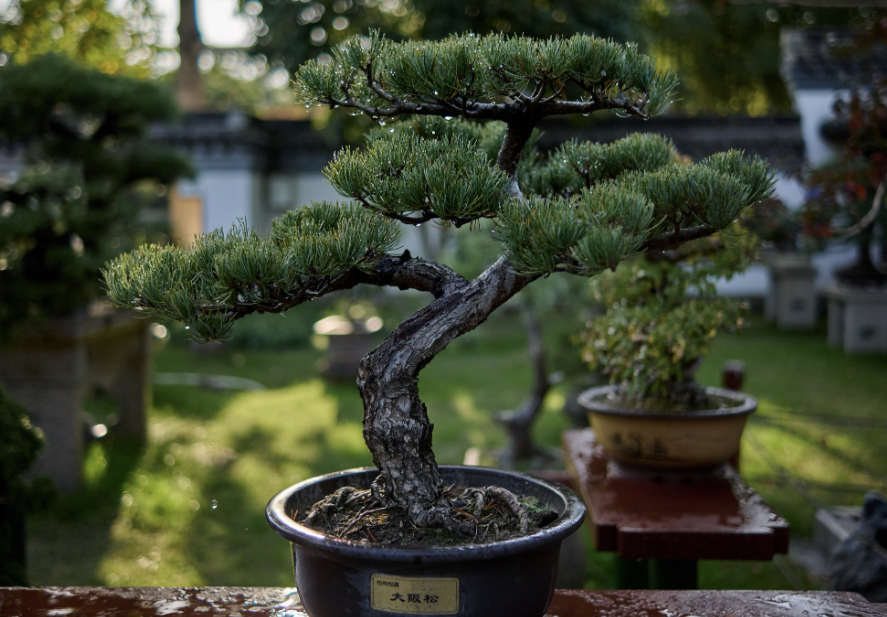
Does My Bonsai Tree Even Need Fertilizer?
Yes, they do. Unlike trees growing outdoors, bonsai trees live in a very small bonsai pot. Their roots cannot spread out to search for fresh nutrients. Every time you water your tree, some nutrients wash out of the soil. Over time, the bonsai soil loses the essential nutrients your tree needs.
Regular feeding replaces those lost nutrients. It supports healthy growth, encourages strong roots, and helps keep the health of the tree at its best. Even the healthiest bonsai cannot thrive forever without regular feeding.
Signs Your Bonsai Tree Is Actively Growing
The growing season is the best time to fertilize. Most bonsai begin actively growing in early spring and continue until early fall.
You’ll know your tree is growing when you notice fresh new growth, brighter leaves, longer shoots, and healthy buds forming. Many bonsai enthusiasts also notice quicker root growth after repotting. These are all signs your tree is ready to use extra nutrients.
Can Bonsai Trees Survive Without Fertilizer?
Technically, yes. However, surviving and thriving are very different things.
A bonsai may live for quite some time without fertilizer, but its growth will slow down. The leaves often become smaller and lighter in colour. Branches may weaken, and the tree will struggle to replace lost energy after pruning. Over time, the health of the tree slowly declines because the limited bonsai soil can no longer provide enough nutrition.
Signs Your Bonsai Tree Needs Fertilizer
Your tree will often tell you when it needs feeding.
Slow growth is usually the first sign. You may also notice pale leaves, poor leaf size, weak branches, or very little new growth during the growing season. If your watering routine, lighting, and bonsai care are all correct, a balanced fertilizer may be exactly what your tree needs.
Best Fertilizer for Bonsai Trees
There isn’t one single best fertilizer for every bonsai. The right fertilizer depends on the tree species, the time of year, and how quickly your tree is growing.
For most indoor bonsai, a balanced fertilizer works very well. Organic fertilizers are a better choice for gardeners who want a slow, steady release of nutrients. Synthetic fertilizers are also effective and often provide fast results, although they require more careful measuring.
The best bonsai tree fertilizer is one that matches your tree’s needs and is used consistently throughout the growing season.
Understanding the NPK Ratio
Every fertilizer has an NPK ratio printed on the label. This tells you how much nitrogen, phosphorus, and potassium it contains.
Nitrogen supports leaves and stems, phosphorus encourages root growth, and potassium improves overall plant health. These three nutrients work together to create healthy trees.
A 1-1-1 ratio is a balanced fertilizer. It supplies equal amounts of each nutrient and is ideal for regular feeding. A 3-1-2 ratio contains more nitrogen, making it an excellent choice during active growth when your bonsai is producing lots of fresh leaves and branches.
Many fertilizers also contain trace elements, which help keep your bonsai healthy over the long term.
Liquid Fertilizer vs Granular Fertilizer vs Fertilizer Spikes
Liquid fertilizer is one of the most popular choices for indoor bonsai. It mixes with water and reaches the roots quickly. This allows you to see fast results, although it does need applying more often.
Granular fertilizer sits on the soil surface and releases nutrients slowly over several weeks. Many bonsai enthusiasts prefer this option because it provides regular feeding with less work. Slow release products are especially useful for outdoor bonsai tree collections.
Fertilizer spikes are easy to use, but they feed only one small area of the bonsai pot. Because of this, many experienced growers choose liquid fertiliser, fertilizer cake, or granular fertilizer instead.
Top 5 Store-Bought Fertilizers for Bonsai Trees
Dyna-Gro Foliage-Pro
This liquid fertilizer is popular because it provides a balanced mix of nutrients and trace elements. It supports healthy growth, strong roots, and lush leaves, making it a great choice for indoor bonsai.
Biogold Original
Biogold is one of the best organic fertilizers available. These small fertilizer cake pellets slowly release nutrients over time and are trusted by bonsai enthusiasts around the world.
Miracle-Gro Indoor Plant Food
This is an affordable liquid fertiliser that is widely available. It works well for beginners, but it should always be diluted according to the instructions.
Espoma Organic Plant Tone
This slow release fertilizer comes from natural sources and helps improve both the soil and the overall health of the tree. It is a great option if you prefer organic fertilizers.
Bonsai Pro Fertilizer
Bonsai Pro is made specifically for bonsai trees. It delivers balanced nutrition and supports healthy growth throughout the growing season. Many growers consider it one of the best fertilizer products for miniature trees.
Natural and Homemade Fertilizer for your Bonsai Tree
If you enjoy making your own plant food, there are several safe options. Worm castings, compost tea, seaweed extract, fish emulsion, and homemade fertilizer cake all provide nutrients from natural sources. They release nutrients slowly and are gentle on the roots.
Many people ask about coffee grounds. Fresh coffee grounds are not recommended because they hold moisture, compact the soil, and may change soil acidity. Composted coffee grounds can be used in very small amounts, but they should never replace a proper bonsai tree fertilizer.
Tea bags are also best avoided. They break down slowly and can encourage mould in bonsai soil mixes.
Organic vs Synthetic Fertilizers
Organic fertilizers come from natural materials. They release nutrients slowly and improve soil health over time. This makes them a better choice for beginners because they are less likely to cause fertilizer burn.
Synthetic fertilizers are made from manufactured nutrients. They deliver fast results and are very effective, but they must be used carefully. Applying too much can damage delicate roots and affect the long-term health of the tree.
When to Fertilize your Bonsai Tree
Most bonsai trees should be fertilized from early spring until early fall. This is when the tree is actively growing and can use the extra nutrients.
Many deciduous trees stop growing during winter, so they usually do not need feeding. Indoor bonsai may continue growing slowly, although they normally need less fertilizer during the colder months.
Always adjust your feeding schedule to suit your tree species and the time of year.
How Often Should You Fertilize Bonsai Tree?
The frequency depends on the fertilizer you choose.
Liquid fertilizer is usually applied every one to two weeks during the growing season. Granular fertilizer often lasts four to six weeks before it needs replacing. Slow release products should always be used according to the manufacturer’s instructions.
Before adding any fertilizer, check the products you are already using. Some potting soils, including certain Miracle-Gro mixes, already contain fertilizer. Feeding again too soon can easily lead to over-fertilizing.
How to Fertilize Bonsai Trees
Start by checking that the soil is slightly moist. If it feels dry, water your bonsai first. Next, apply the fertilizer at the recommended strength. Spread granular fertilizer evenly across the top of the soil, or mix liquid fertilizer with water before applying it. Avoid placing fertilizer directly against the trunk, as this may damage the bark. Finally, continue feeding regularly throughout the growing season for the best results.
Avoiding Fertilizer Burn
Fertilizer burn happens when the roots receive more nutrients than they can handle.
The easiest way to prevent this is by following the instructions on the label. Never fertilize completely dry soil, and avoid feeding immediately after repotting. If your tree is already stressed from pests, disease, or poor watering, wait until it has recovered before feeding again.
Less fertilizer is always better than too much.
Signs of Over-Fertilizing
Too much fertilizer often causes brown leaf edges, burnt leaf tips, slow growth, and a white crust forming on the soil surface. In severe cases, roots become damaged, and the tree begins to lose leaves.
If you notice these symptoms, stop feeding immediately.
How to Fix Too Much Fertilizer
Thankfully, an overfed bonsai can usually recover.
Flush the soil several times with clean water to wash away excess fertilizer. Stop feeding for a few weeks and allow the tree to recover naturally. If the soil has a heavy salt build-up, consider repotting into fresh bonsai soil once the growing season allows.
Most healthy trees recover well when the problem is caught early.
Common Mistakes
One of the biggest mistakes beginners make is feeding too often. More fertilizer does not create faster growth. Instead, it increases the risk of fertilizer burn.
Another common mistake is fertilizing during winter when many bonsai are resting. Using the wrong NPK ratio, forgetting to water before feeding, or adding fertilizer to fresh potting mixes that already contain nutrients can also create problems.
Consistency is far more important than quantity. Small, regular feedings usually produce the healthiest bonsai.
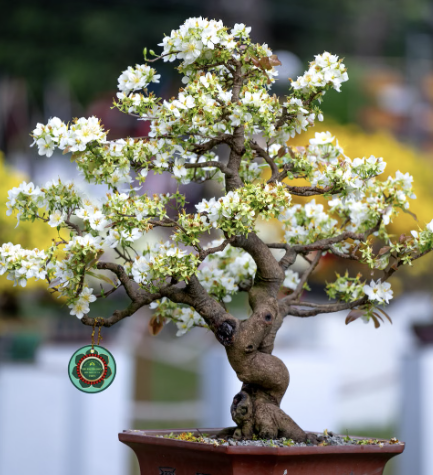
Choosing the best fertilizer for bonsai trees doesn’t have to be difficult. Once you understand your tree’s needs, feeding becomes a simple part of your bonsai care routine. Use a balanced fertilizer during the growing season, avoid overfeeding, and always pay attention to your tree’s growth. With regular care and the right nutrients, your bonsai will reward you with healthy roots, fresh new growth, and beautiful foliage for many years to come
Frequently Asked Questions
What is the best fertilizer for your bonsai tree?
A balanced fertilizer is the best choice for most bonsai trees. Organic fertilizers are ideal for slow, steady feeding, while liquid fertilizer provides fast results during active growth.
How often should a bonsai tree be fertilized?
Most bonsai should be fed every one to two weeks with liquid fertilizer or every four to six weeks with granular fertilizer during the growing season.
Should I water my bonsai tree every day?
Not always. Water only when the soil begins to dry. Some bonsai need daily watering in summer, while others can go several days between watering.
Are coffee grounds good for bonsai trees?
Fresh coffee grounds are not recommended. They can hold too much moisture and affect the soil. Composting them first makes them safer, but they should still be used sparingly.
What is the one mistake all bonsai beginners make?
The most common mistake is overwatering. Many beginners also over-fertilize, believing it will speed up growth. In reality, a steady routine produces the healthiest bonsai.