
A Snake plant is one of the most popular indoor plants, and for good reason. They are low maintenance, tough, and forgiving. With their tall, sword-like leaves and upright growth style, they look great in almost any indoor space, from a bright living room to a low-light corner. Snake plants, also known as mother-in-law’s tongue or Dracaena trifasciata, are slow growers that survive with very little attention.
Still, many plant owners wonder if fertilizer will help their snake plant grow faster or look healthier. If you have noticed slow growth, pale leaves, or no new shoots, you might be asking the same question. This guide will walk you through everything you need to know about snake plant fertilizer, including what works, what to avoid, and how to fix common mistakes.
Do Snake Plants Even Need Fertilizer?
Snake plants do not need fertilizer to survive. In their native tropical climate, sansevieria spp grow in sandy, nutrient-poor soil. They are adapted to tough conditions and can live for years without extra feeding. That is part of what makes them such a low-maintenance houseplant.
Fertilizer is not about keeping a snake plant alive. It is about supporting better growth during the growing season. When given the right nutrients at the right time, an indoor snake plant can produce new leaves, stronger roots, and brighter color. The key is knowing when fertilizer helps and when it causes harm.
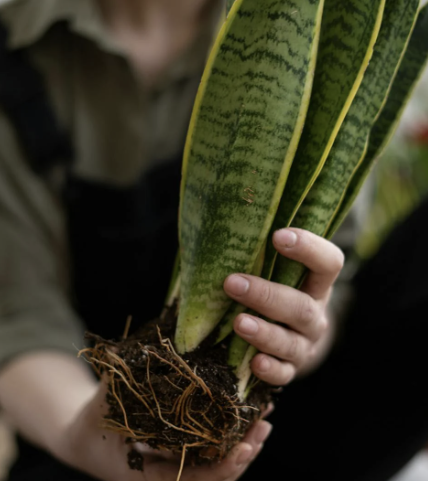
Signs Your Snake Plant Is Actively Growing
Fertilizer only helps when a snake plant is actively growing. The growing season usually starts in early spring and slows down by early fall. During this time of year, the plant’s root system is awake and able to absorb nutrients.
You will know your plant is growing if you see new shoots pushing up from the soil, new leaves forming at the base, or taller leaves stretching toward indirect light. Growth is more likely in bright light or indirect sunlight, though snake plants can still grow slowly in low light or poor light conditions.
Can Snake Plants Survive Without Fertilizer?
Yes, snake plants can easily survive without fertilizer. Many new snake plants live their entire lives without ever being fed. They simply grow more slowly and stay smaller. This is especially true in low light or indoor spaces with limited sunlight.
If your plant looks healthy, has firm leaves, and shows no signs of stress, fertilizer is optional. Feeding becomes more helpful when you want faster growth, larger leaves, or when the plant has used up the nutrients in its potting mix.
Signs Your Snake Plant Needs Fertilizer
A snake plant that needs fertilizer will often look tired rather than sick. Growth may slow down during the growing season, even when light conditions are good. Leaves may lose their deep green color or look thinner than normal. New growth may stop completely.
Before adding fertilizer, always check the basics. Too much water, excess water in the bottom of the pot, or poor drainage holes can cause root rot and yellow leaves. Fertilizer will not fix those problems and can make them worse.
Best Fertilizer for Snake Plant
The best fertilizer for snake plant is gentle and balanced. Snake plants are upright succulents with sensitive roots, so they do not like strong or frequent feeding. Too much fertilizer can damage healthy roots and lead to brown spots, mushy leaves, droopy leaves, or fungal diseases.
A mild fertilizer used at half strength during the growing season is usually the best bet.
NPK Ratio Explained
When choosing snake plant fertilizer, you will see numbers like 1-1-1 or 3-1-2 on the label. These numbers describe the NPK ratio, which stands for nitrogen, phosphorus, and potassium.
Nitrogen supports leaf growth, phosphorus supports strong roots, and potassium supports overall plant health. A balanced NPK ratio like 1-1-1 works well for slow-growing indoor plants. A 3-1-2 ratio is also a great choice and supports leafy growth without overstimulating the plant.
Liquid vs. Granular Fertilizer
Liquid fertilizer is the easiest way to feed a snake plant. It mixes with water and spreads evenly through the soil mix. This helps prevent fertilizer burn and makes it easier to control how much fertilizer your plant gets. Liquid food is especially helpful for plants in plastic pots or terracotta pots.
Granular fertilizer and fertilizer spikes release nutrients slowly, but they are harder to control. They can create pockets of much fertilizer near the root ball, which increases the risk of root rot and fungal infections. For most indoor snake plants, liquid fertilizer is the safer choice.
Top 5 Store-Bought Recommendations
Some of the best fertilizers for snake plants include all-purpose liquid fertilizers with a balanced NPK ratio, cactus and succulent fertilizer, and organic liquid plant food made from natural ingredients. Always check the label and dilute to half strength before use.
Also check your potting mix. Many store-bought soils, including Miracle-Gro potting soil, already contain fertilizer. Feeding on top of that can cause too much fertilizer and damage healthy roots.
Natural and Homemade Fertilizer for Snake Plant
Homemade fertilizer can work, but caution is important. Snake plants do not need rich soil or strong nutrients. Mild, diluted options are safest.
Banana peels soaked in water can provide potassium, but they should be used sparingly. Eggshell water can add calcium but offers limited benefit. Used coffee grounds are often asked about, but they are not ideal. Coffee grounds can hold moisture, attract fungus gnats, and increase the risk of fungal diseases.
Avoid pouring raw coffee grounds, compost, or kitchen scraps directly into the pot. These common household items can cause mold, pests, and root damage.
Organic vs. Synthetic Fertilizers
Organic fertilizers release nutrients slowly and gently. They are less likely to cause fertilizer burn and are a good choice for beginners. Synthetic fertilizers work faster but are easier to overuse.
For snake plant care, either option can work if applied lightly and at the right time. The right fertilizer matters less than how much you use.
When to Fertilize Snake Plant
The best time to fertilize is during the growing season, from early spring through early fall. Late winter and cold months are rest periods, and feeding during this time can stress the plant.
Always fertilize when the soil is lightly moist, never bone dry or soaked with excess water.
How Often to Fertilize Snake Plants
Most snake plants only need fertilizer once every four to six weeks during the growing season. Some slow-growing plants may only need feeding once or twice a year.
More fertilizer does not mean better growth. Much fertilizer often leads to common problems instead.
How to Fertilize Snake Plant (Step-by-Step)
Start by diluting liquid fertilizer to half strength in a gallon of water. Pour slowly into the soil until water drains from the bottom of the pot. Make sure the entire container is evenly watered. Always empty the saucer so the roots do not sit in water.
Avoiding Fertilizer Burn
Fertilizer burn happens when salts build up in the soil. This can damage the plant’s root system and cause yellow leaves, brown tips, or mushy leaves. Using half strength fertilizer and flushing the soil with fresh water every few months helps prevent this.
Signs of Over-Fertilizing
Over-fertilized snake plants may develop brown spots, soft leaves, or weak growth. Leaves may yellow or curl. Spider mites and other common houseplant pests are more likely to attack stressed plants.
How to Fix Too Much Fertilizer
If you suspect too much fertilizer, stop feeding right away. Flush the soil with clean water to wash away excess salts. If the damage is severe, repot the plant into fresh soil with good drainage holes and a clean container.
Common Mistakes to Avoid
The most common mistakes include fertilizing during winter, using full-strength fertilizer, and feeding plants already growing in fertilized potting mix. Overwatering combined with fertilizer is a fast way to cause root rot and fungal infections.
Frequently Asked Questions
What should I feed my snake plant?
A diluted liquid fertilizer with a balanced NPK ratio is the easiest and safest option.
How do you make a snake plant thrive?
Give it indirect light, well-draining soil, very little water, and light feeding during the growing season.
Are used coffee grounds good for snake plants?
No. Coffee grounds can hold moisture, attract pests, and increase fungal problems.
Can I use all-purpose fertilizer on a snake plant?
Yes, as long as it is diluted to half strength and used sparingly.
Snake plants are one of the easiest houseplants you can grow. With the right light, proper watering, and gentle feeding, they reward you with strong roots, tall leaves, and steady new growth. When it comes to fertilizer, less is almost always more.