
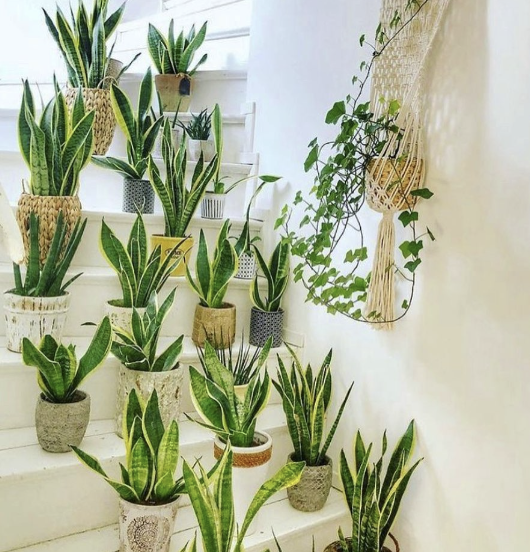
Snake plants are known for their tall, upright leaves, so it can be worrying when those leaves suddenly start bending, leaning or falling over. If your snake plant is drooping, there is usually an underlying reason, but it doesn’t always mean your plant is dying.
The most common causes of a droopy snake plant include overwatering, root rot, underwatering, poor drainage and insufficient light. Temperature changes, pests, heavy soil and physical damage can also cause snake plant leaves to lose their usual upright shape.
The good news is that snake plants are hardy indoor plants and can often recover once you find the problem and give them the right care.
In this guide, I’ll explain why your snake plant is drooping, how to work out what is causing the problem and what you can do to help it recover. I’ll also cover how to tell the difference between overwatering and underwatering, what root rot looks like and how to prevent your snake plant from drooping again.
Why Is My Snake Plant Drooping?
There are several possible reasons why a snake plant is drooping, so the first thing to do is look at the whole plant rather than immediately watering it.
Check the leaves, feel the soil and look at where your plant is positioned. These simple checks can often tell you what is going wrong.
A healthy snake plant should have firm, upright leaves. If the leaves are soft, bending, falling to the side or collapsing near the base, your plant is likely experiencing some form of stress.
The most common reasons include too much water, not enough water, poor drainage, root problems, low light and environmental changes. The appearance of the leaves can give you further clues about the underlying problem.
What Does a Droopy Snake Plant Look Like?
A droopy snake plant can look slightly different depending on what is causing the problem.
You may notice that one or more leaves have started leaning away from the centre of the plant. The leaves may feel softer than usual or begin to bend close to the base.
Some plants develop yellow or brown leaves at the same time, while others develop wrinkled leaves that look dry and slightly puckered.
If only one snake plant leaf is drooping while the rest of the plant looks healthy, there may not be a serious problem. An older leaf can naturally decline, or an individual leaf may have been damaged.
If several snake plant leaves are drooping at once, however, it is worth investigating the plant’s growing conditions.
1. Overwatering
Overwatering is one of the most common reasons for snake plant drooping.
Snake plants have thick leaves that store water, which means they are naturally able to cope with periods of drought. They don’t need to be watered as frequently as many tropical houseplants.
When the soil stays wet for too long, the roots can become stressed and eventually start to rot. Once the roots are damaged, they can no longer take up water properly, which can actually cause the leaves to droop even though there is plenty of moisture in the soil.
An overwatered snake plant may have soft leaves, yellowing, brown patches or a generally unhealthy appearance. The soil may also remain wet for several days after watering.
If you think your plant has been overwatered, stop watering and allow the soil to dry. If it continues to stay wet, check the roots and drainage.
2. Root Rot
Root rot is closely linked to overwatering and poor drainage and can be a serious problem for a drooping snake plant.
When the roots sit in excess water for too long, they can begin to decay. This prevents the plant from taking up water and nutrients properly.
This is one reason a snake plant can look thirsty even when its soil is soaking wet.
To check for root rot, gently remove the plant from its pot and inspect the root ball. Healthy roots should feel firm, while rotten roots are often dark, soft and mushy.
If you find rotten roots, remove the damaged sections using clean scissors. Repot the plant into fresh, well-draining potting mix and use a container with drainage holes.
Don’t simply continue watering a snake plant with root rot. The underlying problem needs to be dealt with first.
3. Your Snake Plant Needs More Water
Although snake plants store water in their thick leaves, they can still become dehydrated if they are left without water for too long.
An underwatered snake plant may develop wrinkled or puckered leaves. The leaves can feel thinner and less firm, and the plant may begin to droop.
Start by checking the soil. If it feels completely dry several inches below the surface, your plant may need water.
Give it a thorough drink until water begins to drain from the bottom of the pot. Allow the excess water to drain away rather than leaving the pot sitting in water.
Try not to rely on a strict watering schedule. Your plant’s needs will change depending on the temperature, light, pot size and time of year.
During the winter months, for example, snake plants usually need less water because growth slows and the soil takes longer to dry.
4. Poor Drainage
Poor drainage can cause many of the same problems as overwatering.
Even if you don’t water your snake plant very often, water can remain trapped around the roots if it has nowhere to escape.
A pot without drainage holes is particularly risky. Decorative pots can look beautiful, but if they don’t allow excess water to escape, they can leave the root ball sitting in moisture.
The size of the pot also matters. A much larger pot can hold more water around the roots and take longer to dry out.
Always choose a pot with drainage holes and allow excess water to escape after watering.
5. Heavy Soil
The type of potting mix you use can also affect how quickly the soil dries.
Snake plants don’t need rich, heavy garden soil. A dense potting mix can hold too much moisture around the roots and increase the risk of root rot.
A cactus or succulent potting mix is a simple choice because it drains more freely than many regular potting soils.
You can also improve a regular houseplant potting mix by adding perlite or another material that improves drainage and airflow.
The aim is to find the right balance. The soil should hold some moisture while still allowing excess water to drain away.
6. Insufficient Light
Snake plants are often described as low-light plants, but this doesn’t mean they should be kept in a dark corner.
They can survive in low light, but their growth is usually stronger when they receive adequate indirect light.
If your snake plant is sitting far away from a window, it may produce slower, weaker growth and its leaves may become less upright.
Try moving it somewhere that receives bright, indirect light. An east-facing window can work particularly well because it provides gentle morning sunlight.
A south-facing window can also be suitable, although strong direct sunlight can scorch the leaves if the plant is not used to it.
If you are moving your plant from low light to a much brighter position, do it gradually so the leaves have time to adjust.
7. Temperature Changes
Environmental conditions can also cause snake plant leaves to droop.
Snake plants generally prefer stable room temperatures and can struggle when exposed to sudden cold or extreme heat.
Be careful when positioning your plant next to a cold window, radiator, heater or air conditioning unit. A sudden change in temperature can place stress on the plant.
This is particularly important during winter. A snake plant sitting against a cold window may experience much lower temperatures than the rest of the room.
Try to keep your plant somewhere with a fairly stable room temperature and away from cold draughts and strong sources of heat.
8. Spider Mites and Other Pests
Snake plants are relatively hardy, but they are not completely protected from pests.
Spider mites can become a problem, particularly in warm and dry indoor conditions. They feed on plant tissue and can gradually weaken the leaves.
Look closely at the leaves, including the undersides. Fine webbing, tiny pale marks or a generally dusty appearance can sometimes indicate spider mites.
Mealybugs can also affect snake plants. These are easier to spot because they can look like small pieces of white cotton around the leaves or stems.
If you find pests, move the affected plant away from your other houseplants and treat the infestation. Keep checking the plant afterwards because pests can return.
9. Physical Damage
Sometimes the reason for a drooping snake plant is much simpler.
The leaves can become bent or damaged if the plant has been knocked, moved or accidentally crushed.
This is particularly common if your snake plant is in a busy part of the home.
A damaged leaf may remain bent even after the rest of the plant is perfectly healthy. If the leaf is still green and firm, you don’t necessarily need to remove it.
If the leaf has been badly broken or damaged, you can remove it with clean scissors.
10. Natural Aging
Not every drooping snake plant has a care problem.
Snake plants naturally lose older leaves as they age. You may occasionally notice one of the oldest leaves becoming yellow, weaker or droopy while the rest of the plant remains healthy.
If your plant is still producing new growth and the newer leaves look firm and upright, an individual older leaf may simply be reaching the end of its life.
You can remove completely dead leaves with clean scissors, but there is no need to cut healthy leaves simply because they aren’t perfectly upright.
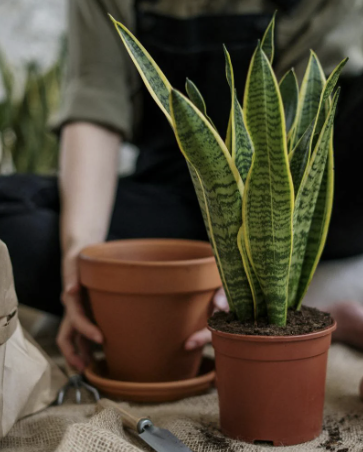
Why Is My Snake Plant Drooping But the Soil Is Wet?
If your snake plant is drooping while the soil is wet, don’t assume that it needs more water.
This can actually be a sign of overwatering or root damage.
When roots are damaged by excess moisture, they may struggle to absorb water properly. As a result, the plant can look wilted even though the root ball is surrounded by water.
Check how long the soil has been staying wet and make sure the pot has drainage holes.
If the leaves are soft or yellow and the soil is consistently soggy, inspect the roots for signs of root rot.
Why Are My Snake Plant Leaves Drooping After Repotting?
It is possible for a snake plant to look stressed after being repotted.
Moving the plant, disturbing its roots and changing its environment can all cause temporary stress.
However, persistent drooping after repotting can also mean something has gone wrong.
Check that the new pot isn’t much larger than the previous one and that it has drainage holes. Make sure you have used a well-draining potting mix and haven’t watered the plant too frequently.
Give your snake plant some time to settle into its new location rather than repeatedly moving it.
Why Is Only One Snake Plant Leaf Drooping?
If you only have one drooping snake plant leaf, the problem may be limited to that particular leaf.
Look closely for physical damage, pests or signs of rot. If the leaf is one of the oldest on the plant, natural aging could also be responsible.
However, if the leaf feels soft at the base or is becoming yellow, brown or mushy, it is worth checking the root area.
A single bent leaf does not necessarily mean the whole plant is unhealthy.
How to Fix a Drooping Snake Plant
The best way to fix a drooping snake plant is to find the underlying cause first.
Start by checking the soil. If it is wet, investigate overwatering, poor drainage and root rot. If it is completely dry, underwatering could be responsible.
Then look at the plant’s light and position. A snake plant kept in very low light may benefit from being moved closer to a window, while a plant receiving harsh direct sunlight may need a little more protection.
Finally, inspect the leaves and roots for pests, physical damage or signs of disease.
Once you have corrected the problem, give your plant time to recover. Snake plants are not particularly fast-growing, so you may not see an immediate change.
Should You Cut Off Drooping Snake Plant Leaves?
You don’t always need to cut off a drooping leaf.
If the leaf is still green and firm, leave it in place while you work out what caused the drooping. Removing healthy leaves won’t fix an underlying watering, light or root problem.
Pruning makes more sense when the leaf is dead, badly damaged or showing signs of rot.
If you do need to remove one, use clean, sharp scissors and cut the leaf close to the base.
Can a Drooping Snake Plant Recover?
Yes, a drooping snake plant can often recover once the underlying problem has been corrected.
How quickly it recovers depends on what caused the problem and how much damage has occurred.
An underwatered plant may start looking healthier after it receives water, while a plant suffering from root rot can take considerably longer.
It’s also important to remember that a damaged leaf may not return to its original upright shape. Once a leaf has been badly bent, it can remain that way even after the plant has recovered.
Instead of focusing only on the older drooping leaves, look for signs of healthy new growth. New leaves that are firm and upright are a good indication that your plant is doing better.
How to Prevent Your Snake Plant From Drooping
Good snake plant care is mostly about finding the right balance.
Give your plant plenty of bright, indirect light where possible and use a well-draining potting mix. Always use a pot with drainage holes and allow excess water to escape.
Most importantly, don’t water your snake plant simply because a certain number of days have passed.
Check the soil first. Snake plants store water in their leaves, so they can cope with the soil drying out between waterings.
Your watering schedule will also change throughout the year. During the growing season, the plant may need water more often, while during the winter months it will usually need much less.
Keeping the plant away from extreme temperatures and checking regularly for pests will also help maintain its overall health.
Snake Plant Drooping: Quick Diagnosis
If you’re trying to work out why your snake plant is drooping, the leaves and soil can give you some useful clues.
Soft, yellow leaves combined with wet soil are more likely to point towards overwatering or root rot. Dry, wrinkled leaves and very dry soil suggest underwatering.
If the soil is healthy but the plant is growing in a very dark room, insufficient light could be contributing to weak or drooping growth.
A single bent leaf may simply have been damaged, while fine webbing or tiny marks on the leaves could indicate spider mites.
These clues aren’t a replacement for checking the plant properly, but they can help you work out where to start.
Frequently Asked Questions
Why is my snake plant drooping?
The most common causes of snake plant drooping are overwatering, root rot, underwatering, poor drainage and insufficient light. Temperature changes, pests and physical damage can also cause the leaves to become droopy.
How do I fix a droopy snake plant?
Start by checking the soil. If it is wet, investigate drainage and root rot before watering again. If it is completely dry, give the plant a thorough drink and allow the excess water to drain away.
Then check the plant’s light, temperature and leaves for other signs of stress.
Can overwatering cause snake plant leaves to droop?
Yes. Too much water can damage the roots and eventually cause root rot, which can make snake plant leaves soft and droopy.
Can underwatering cause a snake plant to wilt?
Yes. Although snake plants are drought tolerant, they still need water. A plant that has been left dry for too long may develop wrinkled, thin or drooping leaves.
Why is my snake plant drooping but the soil is wet?
Wet soil and drooping leaves can indicate overwatering or root rot. Check the drainage and inspect the roots if the plant is also showing yellow, soft or mushy leaves.
Why is my snake plant leaf drooping?
If just one leaf is drooping, check for physical damage, pests or rot. It may also be an older leaf that is naturally reaching the end of its life.
Does a snake plant need direct sunlight?
No. Snake plants can tolerate direct sunlight, but bright indirect light is usually a better choice indoors. Very strong direct sunlight can scorch the leaves.
How often should I water a snake plant?
There is no single watering schedule that works for every snake plant. Check the soil before watering and allow it to dry between waterings. Your plant will usually need less water during the winter months.
Will drooping snake plant leaves stand back up?
Sometimes. If the drooping is caused by temporary stress, the plant may produce healthier upright growth after the problem is corrected. A leaf that has been permanently bent or damaged may not straighten again.
Should I cut off drooping snake plant leaves?
Not necessarily. If a leaf is still green and healthy, leave it alone. Remove leaves that are dead, badly damaged or showing signs of rot.
Why is my Sansevieria drooping?
Sansevieria, commonly known as the snake plant or mother-in-law’s tongue, can droop because of overwatering, root rot, underwatering, poor drainage, insufficient light or environmental stress. Sansevieria trifasciata is now generally classified as Dracaena trifasciata, although the name Sansevieria is still commonly used.
A drooping snake plant can look alarming, but it doesn’t always mean that your plant is dying.
Start with the basics. Check the soil, look at the roots if necessary and think about how much light your plant is receiving. Overwatering and poor drainage are two of the first things I would investigate, but underwatering, low light, temperature changes and pests can also cause problems.
Most importantly, don’t try to fix the problem by simply adding more water. Snake plants store water in their thick leaves, so they are much more tolerant of dry conditions than constantly wet soil.
Once you’ve found the underlying problem and corrected it, give your plant time to recover. With the right balance of light, water, drainage and proper care, your snake plant can produce healthy new growth and return to looking strong and upright.