
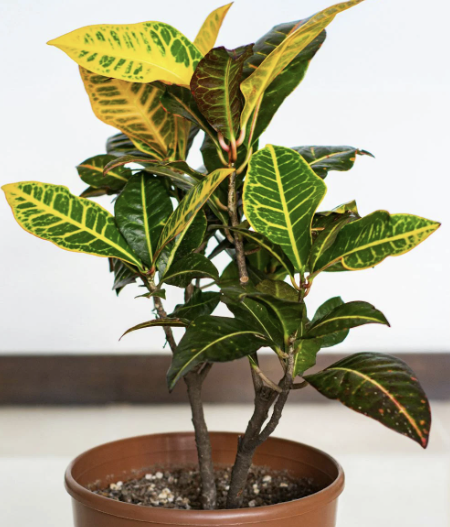
Croton plants are known for their vibrant colours. From bright yellow spots to deep green leaves, they bring a real pop of colour to any indoor space.
If you’ve ever owned a gold dust croton or a croton mammy, you’ll know just how striking their foliage can be.
But here’s the thing. These plants can be a little fussy if their needs aren’t met. One of the biggest reasons for leaf drop, yellow leaves, or dull leaf color is poor soil.
The good news is that once you understand what they need, croton plants become much easier to care for. It all starts with the right soil.
Understanding Croton’s Natural Habitat
Crotons come from tropical climates in Southeast Asia and the Pacific Islands. In their native habitat, they grow as evergreen shrubs in warm, humid conditions.
The soil there is rich, slightly acidic, and well-drained. It holds moisture, but it never stays soggy.
They also grow in bright light, often in partial shade, protected from too much direct sun.
So, when you bring a these plants indoors, you’re trying to recreate that same balance — warm temperatures, high humidity, and soil that stays lightly moist without holding excess water.
Key Soil Requirements for Croton
Drainage Needs
First of all, crotons need well-draining soil. If water sits at the bottom of the pot, it can quickly lead to root rot.
At the same time, they don’t like dry soil either. So, the goal is to keep soil moisture steady without letting it become waterlogged.
Ideal pH Range
These plants prefer slightly acidic soil. Most indoor plant mixes will already be in the right range, so there’s usually no need to adjust it.
Nutrient Balance
Crotons are active growers during the growing season. To support healthy growth and bright colors, they benefit from a balanced liquid fertilizer every few weeks in spring and early summer.
Soil Texture & Structure
The soil should feel light and airy. A dense mix can trap too much water and suffocate the root system.
Factors to Consider When Choosing Soil
Your home environment plays a big role in how your soil behaves.
If your indoor plant sits in dry air or low humidity, the soil may dry out faster. On the other hand, in high humidity, it may stay moist for longer.
Temperature also matters. Cold drafts or sudden changes can stress your plant and affect how it uses water.
And of course, always choose a pot with drainage holes. Without good drainage, even the best soil won’t help.
Recommended Soil Mix
Best Store-Bought Soil Options
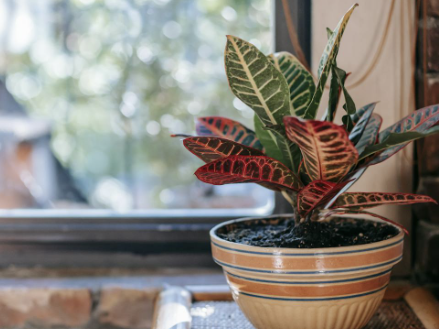
A standard potting mix for tropical plants is a good starting point. Just make sure it’s labeled as well-draining soil.
DIY Soil Mix Recipe (Best Results)
If you want better results, mixing your own soil is a great option.
A simple mix looks like this:
- 2 parts potting soil
- 1 part perlite
- 1 part coco coir or peat
This blend keeps the soil moist while still allowing good drainage.
Recommended Ingredients in Soil Mix
Each ingredient helps in a different way. Perlite improves drainage, while coco coir helps hold moisture. Together, they create the balance crotons need.
Where to Purchase Soil & Amendments
You can find everything you need at garden centres or online shops, often with free shipping options.
Choosing the Right Pot
Types of Pots
Plastic pots hold moisture longer, which can help in dry air. Clay pots dry out faster, which may suit more humid homes.
Ideal Pot Size
When repotting, go for a slightly larger pot, but don’t go too big. Too much extra soil can hold excess water.
Importance of Drainage Holes
This is essential. Drainage holes allow water to escape and prevent soggy soil at the bottom of the pot.
Best Time to Plant, Transplant, or Repot
The best time to repot a croton is during the growing season, especially early spring or early summer.
Avoid repotting during winter months, when plant growth slows down and recovery takes longer.
How to Plant Croton Plants (Step-by-Step Guide)
Preparing the Soil
Mix your soil well so it feels loose and evenly blended.
Planting Instructions
Start by adding soil to the bottom of the pot. Then place the root ball in the centre and fill in around it.
Press lightly to hold the plant in place, but don’t compact the soil too much.
Water lightly after planting to settle everything.
Planting in Pots vs Ground
Crotons are most often grown as indoor plants, where you can control light, humidity levels, and watering routine.
Aftercare & Maintenance of Croton Plants
Watering After Planting
Keep the soil slightly moist, especially during the growth period. A good rule is to water when the top inch of soil feels dry.
Avoid overwatering, as excess water can quickly lead to root rot.
Light Requirements
Crotons love bright light and indirect sunlight. Too little light can fade their bright colors, while too much direct sun can scorch the leaves.
Feeding & Fertilizing
Feed with a balanced liquid fertilizer during the growing season to support new growth and vibrant foliage.
Repotting & Propagation Croton Plants
How Often to Repot
Most of these plants need repotting every one to two years, depending on how fast they grow.
How to Repot Safely
Gently loosen the root system and avoid damaging it. Crotons don’t like sudden changes, so keep the process as smooth as possible.
How to Split / Propagate the Plant
You can propagate using stem cuttings. Take a clean cut from the parent plant and place it in moist soil to grow new plants.
Signs of Inadequate Soil for Croton Plants
If your soil isn’t right, your plant will show it.
Common signs include yellow leaves, leaf drop, dull leaf color, or slow new growth. In some cases, the soil may stay too wet and lead to fungus or root rot.
These are some of the most common issues plant lovers face with crotons.
Common Soil Mistakes to Avoid in Croton Plants
It’s easy to make small mistakes that lead to bigger problems.
Using heavy soil, overwatering, or choosing a pot without drainage holes are some of the biggest ones. Sudden changes in environment can also stress the plant.
Keeping things stable is key.
Tips for Healthy Growth in Croton Plants
If you want your croton to thrive, focus on creating a stable environment.
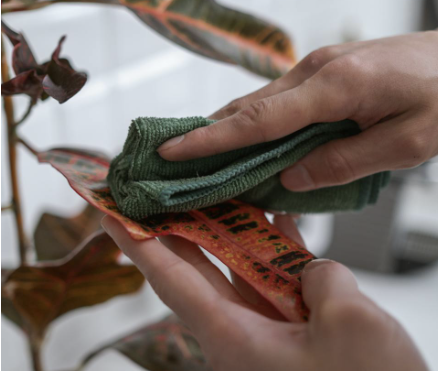
Keep humidity levels high with regular misting if needed. Wipe leaves with a damp cloth to remove dust and help prevent spider mites.
Also, avoid cold drafts and keep your plant in warm temperatures with consistent conditions.
With proper care, your croton will reward you with beautiful foliage and a bold pop of color.
FAQ
What is the best soil mix for croton plants?
A well-draining mix of potting soil, perlite, and coco coir works best.
Do crotons like deep pots?
They prefer medium-depth pots with enough space for the root system, but not overly deep containers.
Do crotons like wet or dry soil?
They prefer moist soil, but not wet or soggy conditions.
How often should I repot a croton?
Usually every one to two years, especially during the growing season.
Are coffee grounds good for croton plants?
They can add nutrients, but should be used sparingly and mixed into the soil.
How often should I water a croton?
Water when the top inch of soil feels dry.
What are common croton problems?
Leaf drop, yellow leaves, and spider mites are common issues.
Do crotons like sphagnum moss?
It can help with moisture retention, but should be mixed with other materials.
What are the biggest mistakes when repotting?
Overwatering, using poor soil, and choosing a pot that is too large.
Can I use cactus soil for croton?
Not on its own. It drains too quickly and doesn’t hold enough moisture.
Can a croton come back after losing all leaves?
Yes, with proper care and stable conditions, new growth can return.
Crotons can seem tricky at first, but once you understand their needs, they become much easier to manage.
Start with the right soil, keep conditions stable, and pay attention to watering. Do that, and your plant will reward you with bold, colourful foliage that really stands out in your home.