
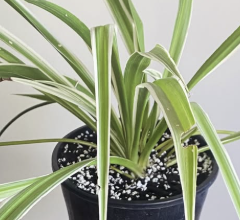
Spider plants are one of the easiest house plants to grow. Their long green leaves arch outward, and they produce baby plants called spiderettes. The most common type is Chlorophytum comosum.
Spider plants are low maintenance, but the right soil makes a big difference. Good soil helps prevent root rot and supports strong, healthy growth.
This guide explains the best soil for spider plant and how to repot it properly.
If you are new to plants and struggling with soil, read my post The Beginners Guide To Understanding Soil.
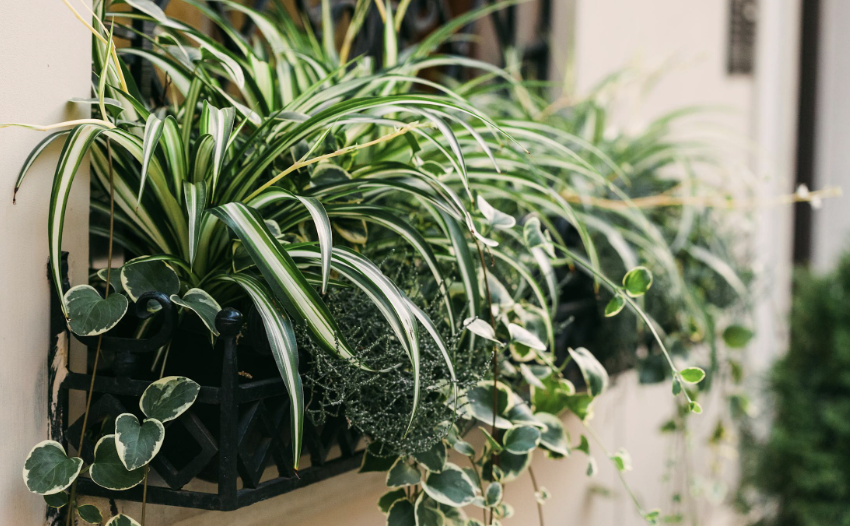
What Soil to Use for Spider Plant
The best soil for spider plant is light, well-draining, and slightly rich. It should hold some moisture but never stay soggy.
A simple soil mix looks like this:
- 2 parts indoor potting soil
- 1 part perlite or coarse sand
This mix allows water to drain well while still giving the roots nutrients. Spider plants like soil that feels loose and airy.
What Soil Not to Use (And Why)
Do not use heavy garden soil. It compacts easily and traps water. Avoid dense soil without drainage materials.
Soggy soil can cause root rot. Spider plant roots are thick and store water, so they do not like sitting in wet soil.
Soil pH for Spider Plant
Spider plants prefer slightly acidic to neutral soil. A pH between 6.0 and 7.0 works well.
Most indoor potting soils fall within this range.
Planting Spider Plants in Pots
Always choose a pot with drainage holes. Proper drainage prevents excess water from building up.
Spider plants grow thick roots and can become rootbound. They often do well in slightly snug pots.
Plastic pots hold moisture longer. Terracotta pots dry out faster. Choose based on how often you water.
Do Spider Plants Like Tall or Wide Pots?
Spider plants prefer pots that are slightly wide rather than very deep. Their roots spread outward more than downward.
Choose a pot only one size larger when repotting.
Best Time to Repot Spider Plant
The best time to repot is in spring or early summer. This is the growing season. The plant can recover quickly and produce new growth.
How to Repot Spider Plant
Remove the plant gently from its pot. Loosen the roots if they are tightly packed.
Place it into fresh soil in a slightly larger pot. Keep the crown level with the soil surface. Water lightly after repotting.
Some mild drooping after repotting is normal.
How Often to Repot
Spider plants may need repotting every one to two years. If roots push out of drainage holes, it is time for a new pot.
Signs the Soil Is Not Right
Yellow leaves may mean overwatering. Brown root tips can signal poor drainage or mineral buildup.
Healthy spider plants have bright green leaves and produce many baby plants.
Frequently Asked Questions
What type of soil is best for spider plants?
The best soil for spider plants is a light, well-draining indoor potting mix with added perlite or coarse sand. It should hold some moisture but drain quickly to prevent root rot.
Can you use multi-purpose compost for spider plants?
Yes, but it is best to mix it with perlite or sand. Multi-purpose compost alone may hold too much moisture.
Do spider plants like tall or wide pots?
Spider plants prefer slightly wide pots. Their roots spread outward and enjoy a snug fit.
Are coffee grounds good for spider plants?
Coffee grounds are not recommended. They can hold too much moisture and affect soil balance.
What should I repot my spider plant in?
Repot your spider plant into fresh, well-draining potting soil mixed with perlite. Choose a pot with drainage holes.
Do spider plants like wet or dry soil?
Spider plants prefer slightly moist soil. Let the top inch dry before watering again. They do not like wet or soggy soil.
What makes a spider plant happy?
Spider plants are happiest with bright indirect light, well-draining soil, moderate watering, and occasional feeding during the growing season.