
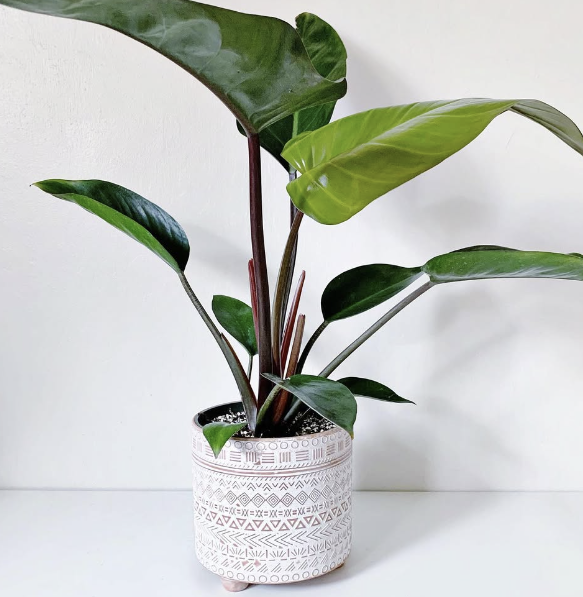
If you’re looking for a house plant that stands out but is still easy to care for, the Philodendron Congo Rojo is a great choice.
Right away, you’ll notice its bold look. It has deep green leaves, strong red stems, and beautiful new foliage with a red tint. Because of this, it brings a rich, tropical feel into any indoor space.
Even better, this plant is low maintenance. So, it’s perfect for both beginners and experienced plant lovers.
In this guide, I’ll walk you through everything you need to know about Congo Rojo plant care. We’ll cover light, watering, humidity, and common problems. That way, you can keep your plant healthy and growing strong.
What Is a Philodendron Congo Rojo?
The Philodendron Congo Rojo, also known as the Red Congo Philodendron or Rojo Congo Philodendron, is a tropical plant from South America.
Its scientific name is often linked to philodendron tatei, and it grows very differently from other philodendron plants.
How Big Will My Congo Rojo Grow?
Instead of climbing, it grows upright from a single central stem. Because of this growth habit, it keeps a neat and compact shape.
In its natural habitat, it grows along the jungle floor of the rain forest. There, it enjoys warm air, filtered light, and moist soil.
Indoors, it usually grows to about 2 to 3 feet tall and wide. Over time, it fills out with new leaves, making it a bold feature in your home.
Care
Light Requirements
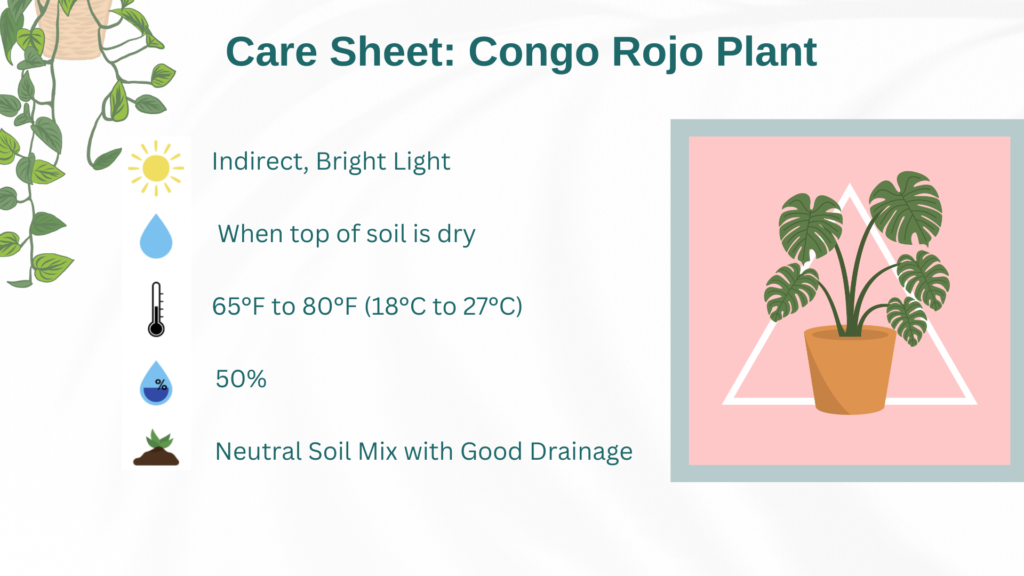
To keep your Congo Rojo philodendron looking its best, place it in bright indirect light.
An eastern window works really well. It gives enough light without being too strong.
That said, this plant can handle lower light conditions. However, growth may slow down, and you may see fewer new leaves.
If the plant starts to stretch or lose its deep colour, it likely needs more light.
So, finding a bright spot with indirect sunlight is key for healthy growth.
Watering Your Congo Rojo
Watering is simple once you get into a regular routine.
Start by checking the top inch of soil. If it feels dry, it’s time to water.
During the summer months, you may need to water more often. But in the winter months, you can water less.
Always aim for moist soil, not wet soil. Too much water can lead to root rot, which is one of the most common problems.
Also, make sure there is no excess water sitting at the bottom of the pot. The plant’s roots need air as well as water.
Temperature & Environment
This tropical plant prefers warm temperatures.
Try to keep it between 65°F and 80°F (18°C to 27°C). It does not like cold drafts or sudden changes.
So, keep it away from open windows in winter and from heating vents.
A stable environment will help prevent stress, leaf drop, and damage.
Humidity Needs
Because it comes from the rain forest, the Philodendron Rojo Congo enjoys higher humidity.
Aim for at least 50% humidity if possible.
If your home is dry, you can use a small humidifier or a pebble tray. This helps create a more humid space around the plant.
Another simple tip is to wipe the leaves with a damp cloth. This keeps them clean and helps prevent pests.
Best Soil for Congo Rojo
Good soil makes a big difference.
Use a neutral soil that drains well. A standard houseplant mix with added perlite works great.
Good drainage is very important. Make sure your pot has sufficient holes at the bottom.
This prevents water from building up and protects the plant’s roots from root rot.
Feeding & Fertilizing
To support new growth, feed your plant during the growing season.
Use slow release fertilizers or a balanced liquid feed every 4 to 6 weeks in spring and summer.
During winter months, you can stop feeding. The plant naturally slows down during this time.
Pot Size & Repotting
Pot size matters more than you might think.
Choose a pot that is only slightly bigger than the root system. This helps avoid too much water sitting in the soil.
Always use pots with sufficient holes for drainage.
Repot every 1 to 2 years, ideally in spring. This gives your plant fresh soil and more space to grow.
Pruning & Maintenance
One of the best things about this plant is that it doesn’t need much pruning.
Simply remove dead leaves at the base to keep it looking fresh.
This also helps the plant focus its energy on new growth and new leaves.. Pruning can also help the plant redirect its energy to produce more new growth and new leaves.
Propagation
Propagation is a bit tricky with this plant.
Because it grows from a single stalk, stem cuttings do not always work well.
However, if you see new stems or offshoots, you can try to separate them and grow new plants.
Pests: What to Watch For
Like many philodendron plants, this one can sometimes face a few issues.
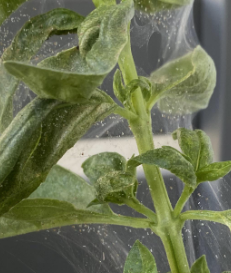
Spider mites and fungal gnats may appear, especially if the soil is too wet. To prevent this, check your plant often and wipe leaves with a damp cloth.
If pests become a problem, diluted hydrogen peroxide can help control larvae in the soil while improving root oxygen levels. Neem oil or insecticidal soap, can also be beneficial.
Diseases
One of the most common issues with Congo Rojo is root rot, which is often caused by overwatering or poor drainage.
To avoid fungal problems, make sure your plant is in well-draining soil and that you let the top layer dry out between waterings.
Fungal issues can also arise if there isn’t enough air circulation around the plant, so try to keep it in a spot where air can flow freely.
Common Issues: Problems with Congo Rojo
Yellow Leaves – This often means too much water or not enough water. Always check soil moisture first.
Brown Tips – This is usually caused by low humidity. Try using a pebble tray or humidifier.
Drooping Leaves – This can mean the plant needs more water or more light.
The Philodendron Congo Rojo is a bold and beautiful plant that is surprisingly easy to care for.
With its green leaves, red stems, and steady new foliage, it adds a strong tropical feel to any room.
The good news is that it doesn’t need much to thrive. Just give it bright indirect light, well-draining soil, and a steady watering routine.
With proper care, your Red Congo Philodendron will grow strong and healthy for years to come.
Want more help with your plants? Read my other plant care guides here.