
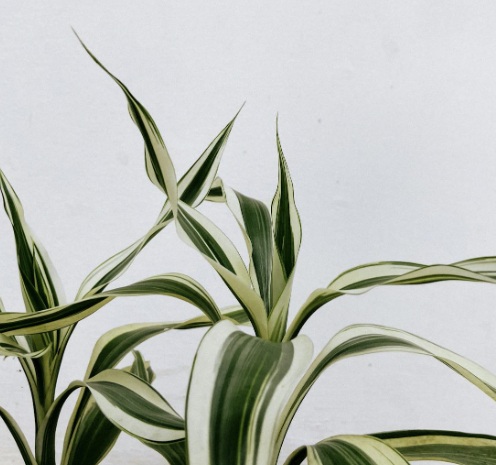
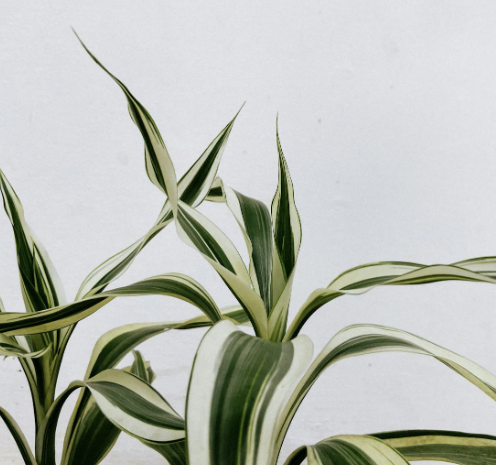
The Dracaena Warneckii is one of those indoor plants that instantly makes a room feel more put together. Its striped, gray-green leaves give a clean, modern look without much effort.
You might also see it called Dracaena deremensis ‘Warneckii’. It is part of the dracaena genus, alongside other popular indoor house plants like the corn plant and lucky bamboo.
The best part is that it is one of the more hardy plants, so it suits beginners very well.
Background
This plant comes from tropical Africa, where it grows in warm, shaded spaces. In its natural habitat, it sits under taller plants and trees, so it is used to filtered light and steady conditions.
Because of this, it adapts well to indoor life. It does not need perfect conditions to survive, which makes it a great choice for busy homes.
Types
The Warneckii is just one of many dracaena plants. You may also come across dracaena marginata, which has thinner leaves, or dracaena lemon lime, which has brighter green stripes.
There is also the corn plant, which has wider leaves. All of these are members of the dracaena family, and they share very similar care needs.
Light
When it comes to light, this plant is quite flexible. It grows best in bright indirect light, but it can also handle low light conditions without too many issues.
That said, if the light is too low, you will notice slower growth and fewer new leaves. On the other hand, too much direct sunlight can cause brown spots or faded colour.
So the sweet spot is a bright area with soft, filtered light. Near a window, but not in harsh sun, works perfectly.
Water
Watering is where most people go wrong, so it is worth getting right. This plant prefers the soil to stay slightly on the drier side, rather than constantly wet.
A good rule is to check the top few inches of soil. If it feels dry, then it is time to water. If it still feels damp, wait a bit longer.
Too much water can lead to wet soil and eventually root rot, which damages the plant’s roots. At the same time, not enough water can cause brown tips and dry leaf margins.
If possible, use filtered water or distilled water, as tap water can sometimes lead to tip burn over time.
Temperature
Dracaena Warneckii enjoys normal indoor temperatures. It does best between 18°C and 26°C, which suits most homes.
However, it does not like sudden changes. Cold drafts or placing it near air conditioners can stress the plant. Keeping it in a steady environment helps support healthy growth.
Humidity
This plant is quite adaptable when it comes to humidity. It can handle low humidity, but it will look better with a little more moisture in the air.
If the air is too dry, you may notice brown leaf tips. A bit of occasional misting or wiping the leaves with a damp cloth can help keep it looking fresh.
Fertiliser
During the active growing season, feeding can support steady new growth. A light liquid fertiliser every few weeks in spring and summer is enough.
There is no need to feed during the winter months, as growth naturally slows down. Keeping it simple is the best approach.
Soil and Pot Depth
Soil plays a big role in keeping this plant healthy. A well-drained soil or standard potting soil with added organic matter works well.
This helps manage soil moisture and prevents water from sitting at the bottom of the pot, which can cause problems.
In terms of depth, this plant does not need a deep pot. A medium-depth pot is ideal, as the roots do not grow very deep. The most important thing is having a drainage hole for proper water flow.
Repotting Dracaena Warneckii
Since this is a slow-growing plant, it does not need frequent repotting. Every two to three years is usually enough.
If the roots fill the pot or growth slows down, it may be time for a slightly bigger new pot. The best time to do this is in spring, just before the growing season begins.
Pruning
Pruning is simple and helps keep your plant looking tidy. You can remove brown leaves, damaged areas, or older lower leaves.
If the plant gets too tall, you can trim the stems to shape it. Always use clean tools for the best results.
Propagation of Dracaena Warneckii
This plant is easy to propagate using stem cuttings. Simply cut a healthy stem below a leaf node and place it in water or soil.
With time, roots will form, and you will have a new plant. You can also use rooting hormone to speed up the process.
Seasonal care for Dracaena Warneckii
In spring and summer, the plant is actively growing. You will notice more new leaves and steady growth. During this time, water a little more and feed lightly.
In autumn and winter, growth slows down. So reduce watering and stop feeding. Keeping the plant warm and stable during this time is key.
Size and growth rate
The Warneckii is a slow-growing plant, but it is very reliable. Indoors, it can grow up to 3–5 feet tall over time.
It stays upright and neat, which makes it a great option for smaller spaces or corners.
How to encourage blooming in Dracaena Warneckii
Dracaena plants can bloom, but it is rare indoors. When they do, they produce small, fragrant flowers.
However, most people grow them for their foliage rather than flowers. Even with perfect care, blooming is not guaranteed.
Common problems
Most issues come down to watering or environment. Brown tips are very common and are often caused by dry air or tap water.
Yellow leaves usually mean too much water, while brown spots can come from too much sun or inconsistent care.
The most serious issue is root rot, which is caused by excess water and poor drainage. Keeping the soil slightly dry helps avoid this.
Pests
Like many indoor plants, this one can get pests such as spider mites and scale insects. These can weaken the plant over time.
If you notice signs, wipe the leaves with a damp cloth and treat gently. Regular checks make a big difference.
Is Dracaena Warneckii pet friendly?
No, it is not pet friendly. The sap of the Dracaena Warneckii can be harmful if eaten.
It may cause irritation or sickness in pets, so it is best to keep it out of reach.
Extra care tips for Dracaena Warneckii
Keep your plant in a steady spot with consistent light. Avoid moving it too often, as this can cause stress.
Rotate it every so often so it grows evenly. Small habits like this help support long-term healthy growth and keep your plant looking its best.
FAQ
How often should I water Dracaena Warneckii?
Water when the top few inches of soil feel dry.
Should I cut the brown tips off my Dracaena plant?
Yes, trimming them helps improve appearance and keeps the plant tidy.
What are the common problems with Dracaena plants?
Brown tips, yellow leaves, and root rot are the most common issues.
Do you water a Dracaena from top or bottom?
Top watering works best, as long as excess water drains out.
How long do Dracaena Warneckii live?
They can live for many years with proper care.
Do brown tips mean overwatering?
Not always. They can also be caused by dry air or tap water.
How big does Dracaena Warneckii get?
It can grow up to 3–5 feet tall indoors.
Where is the best place to put a Dracaena plant?
A bright spot with indirect light is ideal.
Does Dracaena Warneckii clean the air?
It can help slightly, but the effect is small in most homes.