
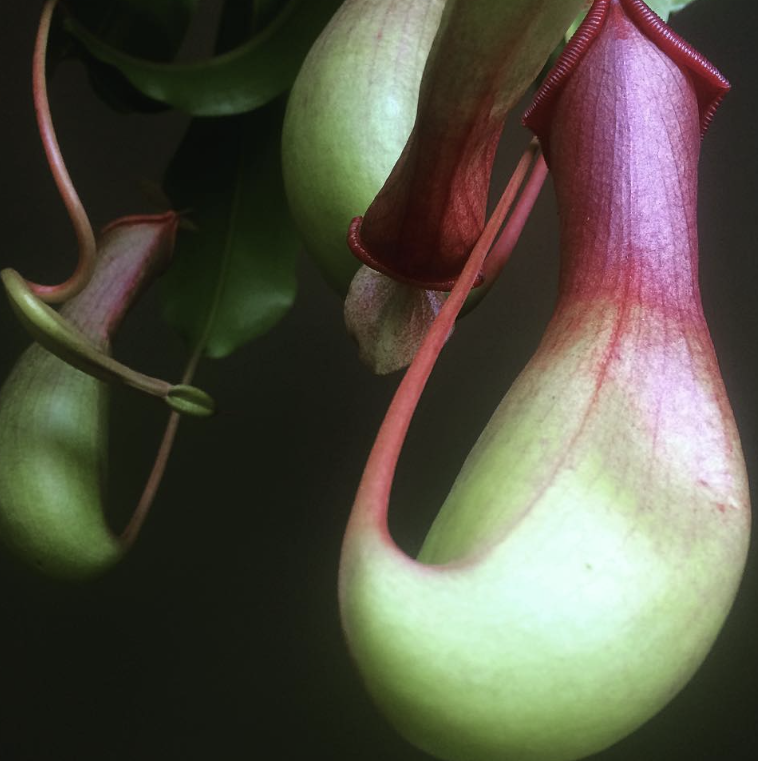
The Monkey Cup plant, also known as Nepenthes or the tropical pitcher plant, is one of the most unusual plants you can grow.
Known for its hanging pitcher traps, this carnivorous plant thrives in the right conditions and can be a fun addition to your collection.
It comes from the tropical regions of Southeast Asia and grows in nutrient-poor soil, which is why it evolved to get its nutrients in such an interesting way.
The name “Monkey Cup” comes from the idea that monkeys in the wild sometimes drink water from the pitchers. This fascinating plant is easy to care for once you learn the basics.
Not sure which carnivorous plant is right for? Read my post on Best Indoor Carnivorous Plants: How To Choose Which Is Right For You
Light Requirements
Monkey Cup plants enjoy bright light but not too much direct sunlight.
Place them where they can receive plenty of indirect light. A sunny windowsill with filtered light is a good location.
If the plant gets too much direct sun, the leaves may burn. On the other hand, too little light can lead to poor pitcher growth. Good light is one of the most important factors for strong new growth. Grow lights can help during darker months.
Aim for around 12 hours of light daily.
Temperature Needs
Temperature needs depend on the type of Nepenthes you have. Highland species like cooler nights and warm days.
These types do best with day temperatures between 70°F and 80°F and night temperatures around 50°F to 60°F. Lowland species need warm temperatures all the time. They grow well with temperatures between 75°F and 85°F during the day and slightly lower at night.
Keep them away from cold drafts or very hot dry spots.
Humidity Requirements
High humidity is key to keeping your Monkey Cup plant happy.
Aim for humidity levels of 50% or higher. In dry homes, a humidifier or placing the pot on a tray with water and pebbles can help. Some growers keep their Nepenthes plants in a plastic bag when they are small to create a high humidity environment. Mist the plant lightly in the morning if needed.
Without enough humidity, you may not see new pitchers forming.
Ideal Location
Choose a spot that gets bright but filtered light. A bathroom with a window can be a great idea due to the natural humidity. Sunny windowsills in kitchens also work well. You can grow them in greenhouses or terrariums, too.
During the warmer months, many people move them outside to a shaded porch. Make sure the plant is protected from strong wind or heavy rain.
Watering Guide
Use only pure water like rain water, distilled water, or reverse osmosis water.
Avoid tap water or hard water. These contain minerals that can build up and hurt the plant’s root system.
Water the soil well and allow excess water to drain. Keep the soil moist but not soggy. Don’t let the plant sit in water. Nepenthes care often fails when there is root rot from excess water.
During the growing season, you may need to water more often.
Feeding Tips
In the wild, Monkey Cup plants catch bugs in their pitcher traps. Each pitcher holds digestive fluid at the bottom. This helps break down insects and give the plant nutrients.
Indoors, if no insects are around, you can feed small bugs like fruit flies or freeze-dried bloodworms.
Feeding once or twice a month is enough.
Never feed meat or processed food. Nectar secretions near the inner walls of the pitcher attract insects naturally.
Soil Type
Use a nutrient-poor soil mix that mimics its natural habitat.
Sphagnum moss or a mix of sphagnum and perlite works well. Avoid standard potting soil.
Good soil for Nepenthes is airy and holds some moisture but drains well. You can also add tree fern fiber for more texture. Net pots and plastic pots with holes allow for better air to reach the root system.
Pruning and Maintenance
Trim dead pitchers and brown leaves using clean scissors. This helps the plant focus on new growth.
When your Monkey Cup enters the vine-growing stage, you might need to give it some support with a trellis or stick. Remove dried or blackened pitchers to keep the plant tidy. Watch for signs of stress or damage.
Common Pests
Common pests include:
- Aphids
- Spider mites
- Mealybugs
These pests can harm new leaves and pitchers. Use insecticidal soap or neem oil to control outbreaks. Always check under the leaves and near the base.
Keep an eye out for fungal diseases, especially in low airflow areas. Avoid overwatering to prevent mold.
Propagation Guide
Propagating Nepenthes takes time.
Stem cuttings are the best method.
- Cut a piece of stem with at least one node.
- Place it in moist sphagnum moss and keep it in a high humidity environment. A plastic bag over the pot helps hold in moisture.
- Keep the cutting in bright indirect light.
- Roots may take several weeks to form.
Patience is key. Some growers use rooting hormone to help speed up the process.
General Care Tips
Keep your Monkey Cup plant in the best condition by watching for changes.
New pitchers mean your care routine is working. If you don’t see new pitchers, check light, water, and humidity.
Use a larger pot only when the plant outgrows the current one. Small plants often do better in smaller containers. Keep the plant in the same spot to avoid shock. Don’t move it too often. Regular checks help you spot problems early.
Ease of Care
Monkey Cup plants are slow growers, but they are easy to care for with the right setup.
Focus on light, humidity, and pure water.
They are not a plant you water once a week and forget. These plants thrive with attention and stable conditions.
It is a good idea to start with a young plant. Over time, your plant will become a unique and beautiful part of your collection.
Other Carnivorous Plants to Consider
If you love Monkey Cup plants, you might enjoy other carnivorous plants. Venus Flytraps (Dionaea muscipula) are popular and fun to watch. They snap shut when touched. Another great option is the Sundew, with sticky hairs that trap insects. They also need the same care as the Monkey Cup plant. Many growers collect several species of Nepenthes, including N. veitchii and Nepenthes Bloody Mary. Each one has its own look and care needs. Explore what works best for your space and enjoy growing these unusual plants.
Love carnivorous plants? Read my care guides on
- Butterwort Plant Care: The Fool Proof Guide for A Beautiful Plant
- How to Grow Scarlet Belle Pitcher Plant: Top Tips
- How to Make a Venus Flytrap Grow Big (With the Right Care From Day One)
FAQ
How often do Monkey Cup plants need to be watered?
Keep the soil moist at all times, but not soaked. Use only pure water.
Do I need to feed the pitchers?
If the plant is outside and catching insects, feeding is not needed. Indoors, feed small bugs once or twice a month.
Why are no new pitchers forming?
Lack of light, low humidity, or poor water quality are common reasons.
Can I use tap water?
No, tap water is a bad idea. It can cause mineral build-up. Use distilled or rain water.
Can I grow them with a Venus Flytrap?
Yes, both enjoy similar care but check each plant’s specific needs.
What is the best plant for beginners?
Try N. x ventrata, a hardy hybrid that grows well in many homes