
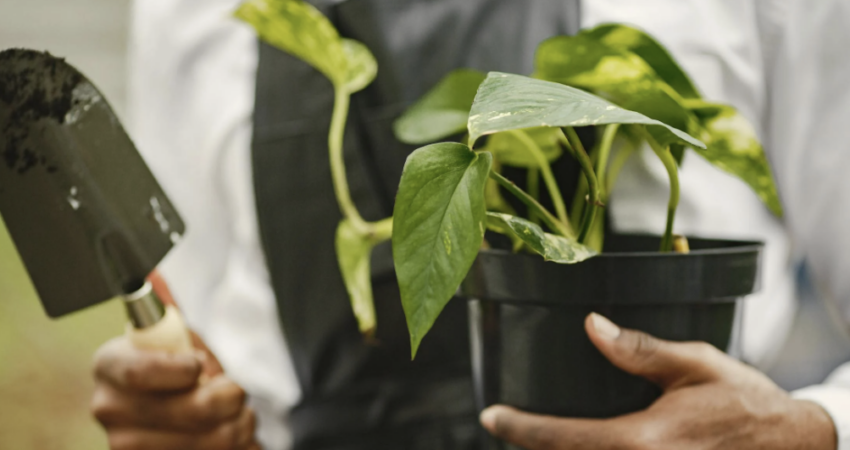
Pothos, also known as Epipremnum aureum, is one of the easiest houseplants to grow in soil. It is often called devil’s ivy or money plant. This tropical vine has beautiful trailing vines and heart-shaped leaves.
Pothos plants are an excellent choice for beginners. They grow well in low light and brighter light, and they are very low maintenance. However, the right soil still matters.
The best soil helps prevent root rot, supports new growth, and keeps the plant’s leaves healthy and green.
What Soil to Use for Pothos
The best soil for pothos is a well-draining soil that holds some moisture. These plants do not like soggy soil, but they also do not like completely dry soil for long periods.
A simple potting mix looks like this:
- 2 parts indoor potting mix
- 1 part perlite or coarse sand
- 1 part coco coir or peat moss
This mix creates good drainage and supports the aerial root system. It also helps maintain the right level of soil moisture.
Fresh soil is especially important for fast growers like golden varieties plants and neon varieties.
Examples of pothos types
They hate soggy soil more than anything
Golden (most common)
- Very fast grower
- Handles a wide range of soil
- Best in standard well-draining mix
Neon
- Likes slightly more consistent moisture
- Still needs drainage to avoid root rot
Marble Queen
- Slower grower
- Can tolerate slightly drier soil between waterings
Jade
- Very hardy
- Handles lower light and slightly drier soil
What Soil Not to Use (And Why)
Avoid heavy garden soil. It compacts and leads to poor drainage.
Do not use dense compost on its own. It can hold too much water and cause root rot.
Poor soil often leads to yellow leaves, brown spots, and slow growth.
Soil pH and Nutrients
Pothos plants prefer slightly acidic to neutral soil. Most potting mix products already fall within this range.
During the growing season, a water-soluble fertilizer can support long stems and healthy green leaves.
Planting Pothos in Pots
Always use a pot with drainage holes. This prevents excess water from sitting at the bottom of the pot.
Terra cotta pots are a good option because they help soil dry faster. Plastic pots hold moisture longer.
Choose a grow pot or decorative pot that fits your space. A hanging basket works well for beautiful trailing plant.
Do Pothos Like Big Pots or Small Pots?
Pothos plants prefer slightly snug pots. A pot that is too large can hold too much water.
When repotting, move up to a slightly larger pot. This helps avoid excess moisture around the roots.
Best Time to Repot
The best time for repotting is early spring or during the growing season. This helps the plant recover quickly and produce new growth.
You can also repot in early fall if needed.
How to Repot Pothos
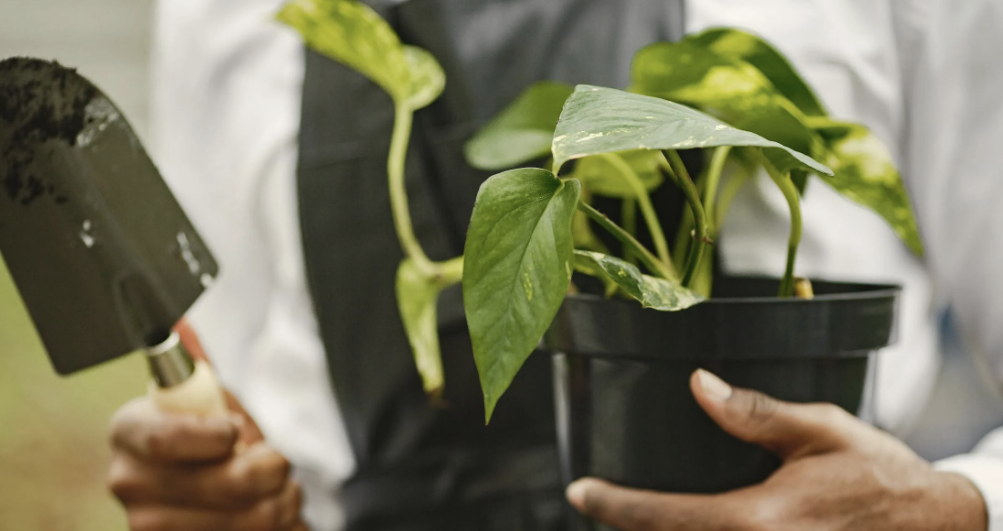
Remove the plant gently from its pot. Loosen the root ball and shake off some old soil.
Place it into a new pot with fresh soil. Keep the soil line the same as before.
Fill around the roots and press lightly. Water a little and place in bright indirect light.
How Often to Repot
Pothos plants usually need repotting every 1–2 years. Mature plants may need less frequent repotting.
If roots grow out of drainage holes or the plant dries out quickly, it is time to repot.
How to Care After Repotting
Place your pothos in a bright spot with indirect sunlight. It can also grow in lower light conditions, but growth may slow.
Water lightly and allow the top 1–2 inches of soil to dry between watering.
Avoid cold drafts and keep the plant in a warm, humid environment if possible.
Signs the Soil Is Not Right
If the soil is not suitable, your plant will show common issues.
Watch for:
- Yellow leaves from too much water
- Brown leaves or brown spots from poor drainage
- Drooping or slow growth
- Soft roots from root rot
Healthy pothos plants have strong long vines and glossy green leaves.
Extra Tip: Hanging or Climbing?
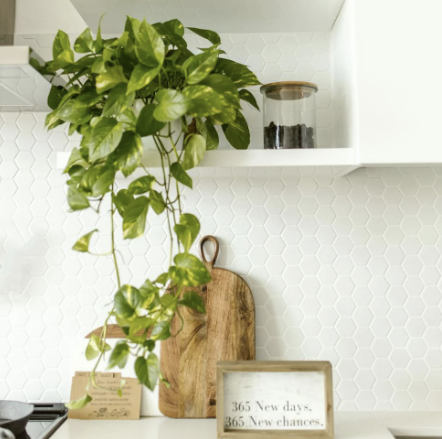
Pothos vines can either hang or climb. Both options work well.
Letting these plants hang creates long trailing vines. Using moss poles helps the plant climb and produce larger leaves.
Climbing often leads to faster growth and bigger foliage.
Frequently Asked Questions
What is the best soil mix for pothos plants?
The best soil mix is a well-draining potting mix with perlite and coco coir or peat moss. This balance prevents root rot and supports healthy growth.
What do pothos like to be planted in?
These plants like light, airy soil with good drainage. A standard indoor potting mix with added perlite works well.
Do pothos like big pots or small pots?
These plants prefer slightly small pots. Large pots can hold too much water and lead to root rot.
Do pothos need to be planted in soil?
No, these plants can grow in water using stem cuttings. However, they grow stronger long term in soil.
What are the common pothos soil problems?
Common problems include poor drainage, compacted soil, and excess water. These can cause yellow leaves, root rot, and slow growth.
Do pothos like dry or wet soil?
These plants prefer moist soil. Let the top 1–2 inches dry before watering again.
How to make your pothos grow like crazy?
Provide bright indirect light, proper care, and regular feeding. Use well-draining soil and avoid overwatering for best results.
How often should a pothos be watered?
Water when the top 1–2 inches of soil feel dry. This usually means watering every 1–2 weeks depending on light and temperature.
Is it better to let pothos hang or climb?
Both work well. Hanging creates long vines, while climbing with moss poles can produce larger leaves and faster growth.
Do pothos go into shock after repotting?
These plants may droop slightly after repotting. This is normal and temporary. With proper care, they recover quickly.
Pothos is one of the most popular houseplants for a reason. It is a low-maintenance plant that grows well in many conditions.
With the right soil mix, proper watering, and enough light, your plant will grow long, healthy vines and stay vibrant for a long time