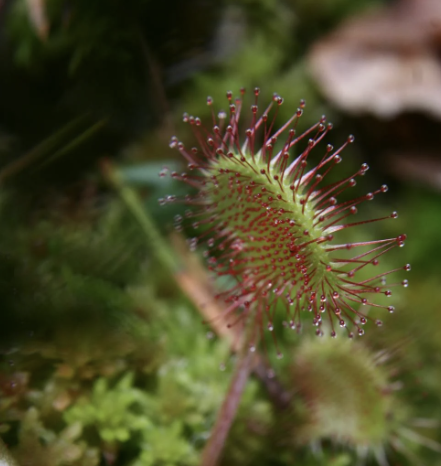
Sundew plants are a captivating carnivorous plant.
They sparkle in the sunlight, move slowly, and eat insects.
Because of this, many people search for sundew plant care every day.
At first glance, these plants look delicate. However, many species are surprisingly tough. With the right setup, they can thrive indoors for years.
This guide covers everything you need to know. We will talk about light, water, soil, feeding, propagation, dormancy, and common problems. By the end, you will feel confident caring for healthy sundews at home.
If you love carnivorous plants, check out my other guides for more fascinating species:
- Butterwort Plant Care: The Fool Proof Guide for A Beautiful Plant
- Ultimate Monkey Cup Plant Care: The Complete Guide for Beginners
- How to Grow Scarlet Belle Pitcher Plant: Top Tips
- How to Make a Venus Flytrap Grow Big (With the Right Care From Day One)
What Is a Sundew Plant?
These plants belong to the genus Drosera. There are over 200 species worldwide. They grow on every continent except Antarctica.
Most live in nutrient-poor bogs. These bogs have acidic soils and low nutrients. Because of this, they evolved to digest insects.
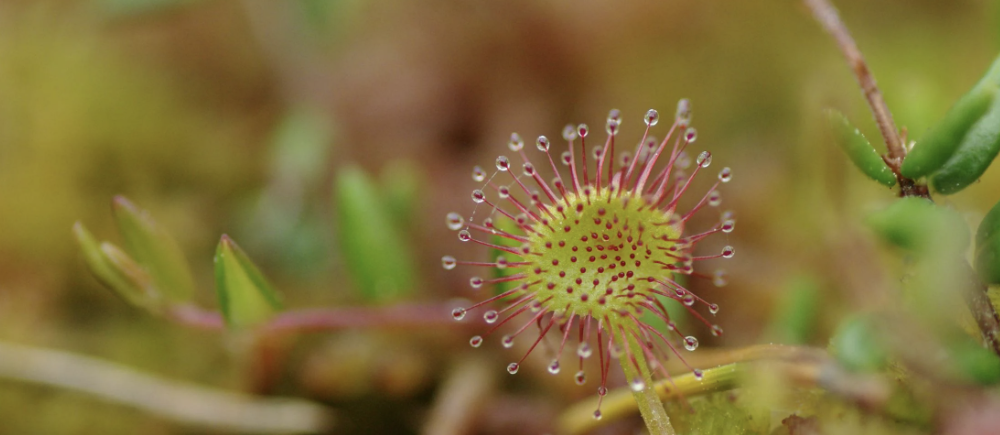
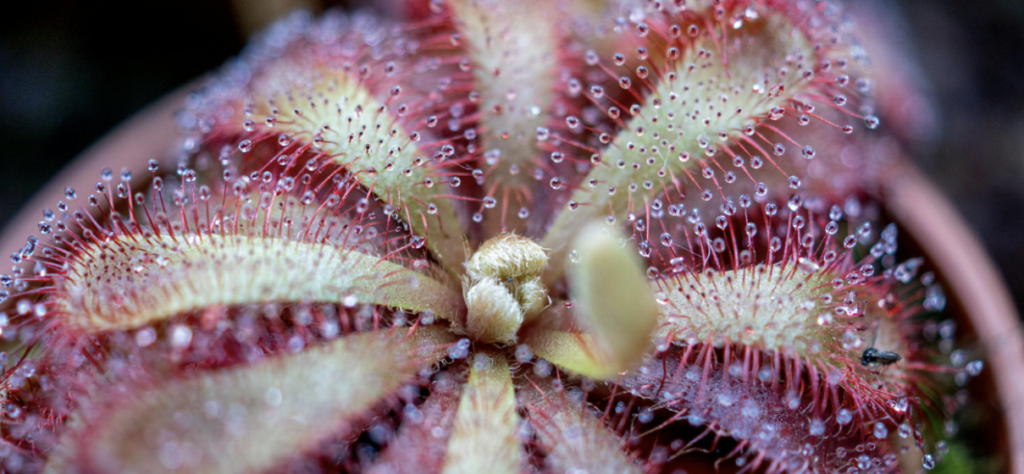
Their leaves are covered in glandular hairs, also called sticky tentacles. Each tentacle produces glue-like dew. This dew traps insects.
Popular species include:
- Cape (Drosera capensis)
- Drosera intermedia
- Drosera anglica
- Drosera adelae
- Drosera regia (also called D. regia)
The Cape sundew comes from South Africa. It is one of the best plants for beginners.
Why Sundews Eat Insects
These plants eat insects because the soil cannot feed them.
Their roots are tiny. They absorb water, not nutrients. Insects provide essential minerals like nitrogen.
Once prey is trapped, the leaf curls inward. The plant releases digestive enzymes. These enzymes break down the insect.
The plant then absorbs the nutrients. This supports new growth and healthy leaves.
Light: The Most Crucial Part of Care
Light is the most crucial part of sundew care. Without enough light, they struggle.
Most need bright light. Many prefer full sun.
A sunny windowsill is often the best place. South-facing windows work well in the northern hemisphere.
Aim for 4 to 6 hours of direct sunlight daily. More light often means better dew production.
If natural light is weak, use a dedicated grow light. Bright indirect light also works for some species.
Signs of low light include:
- Sundew stops producing dew
- Long, weak leaves
- Green leaves with no red color
More light usually fixes these issues.
Water: Always Use Mineral-Free Water
Water quality matters more than quantity.
Always use distilled water, rain water, or reverse osmosis water. These are mineral-free water sources.
Tap water contains salts and minerals. Over time, this damages roots. It is the most likely cause of yellow leaves.
The tray method works best. Place the pot in a shallow dish of water. Keep it filled during the growing season.
Use about one inch of water. Refill when empty. A gallon of water lasts longer when stored clean.
Never let the soil dry out.
Soil: Creating the Right Growing Mix
Sundews need acidic soils. The soil must be nutrient-poor.
The right soil mix includes:
- 1 part peat moss
- 1 part perlite or sand
You can also use sphagnum moss alone. Avoid fertilized mixes.
Never use garden soil or compost as these kill them fast.
This nutrient-poor soil mix mimics natural bogs.
Pots and Drainage
Use plastic pots with drainage holes. Plastic does not leach minerals.
Avoid clay or ceramic pots. They release minerals into the soil.
A larger pot helps mature plants. It also keeps moisture stable.
Tiny roots do not need deep pots. Wide pots often work better.
Temperature and Airflow
Most like warm temperatures. A range of 65–85°F works well.
Avoid cold drafts, air conditioners, or heat pumps blowing directly on plants.
Good air circulation prevents mold. However, avoid strong fans.
Environmental factors like heat and airflow affect growth.
Humidity: How Much Do Sundews Need?
Many enjoy high humidity. However, Cape species adapt well.
Aim for a humidity level above 40%. Higher is better.
Grouping plants helps raise humidity naturally.
Terrariums work for some species. However, airflow is important.
Feeding: Do Sundews Need to Be Fed?
Sundews catch their own food if insects are present.
Common prey includes:
- Fruit flies
- Fungus gnats
- Small insects
Indoors, feeding is optional. Feed only small amounts.
Use live insects when possible. You can also use freeze-dried bloodworms.
Feed once every few weeks. Do not overfeed.
Never feed meat or human food.
Fertiliser: Should You Use It?
Most do not need fertilizer.
Some growers use Maxsea fertilizer at very weak strength. This is advanced care.
For beginners, skip fertilizer. Insects provide enough nutrients.
Pruning and Maintenance
Remove dead leaves with clean scissors. This prevents mold.
Do not touch healthy leaves often. Touching reduces dew.
Cut flower stalks if the plant is young. This saves energy.
Mature plants can flower. Flowers are often white or pink flowers.
Repotting: When and How
The best time to repot is early spring.
Repot every one to two years. Old soil breaks down.
Be gentle, they have tiny roots.
Water well after repotting.
Propagation: Growing New Sundew Plants
These plants propagate easily.
Leaf Cuttings
Cut a healthy leaf. Place it on wet sphagnum moss. New plants will form.
Division
Some species form clumps. Divide gently.
Seeds
Seeds need light to germinate. Keep soil moist.
Propagation creates new plants identical to the parent plant.
Dormancy: Do Sundews Need It?
Some need dormancy. Others do not.
Temperate
Species like Drosera anglica and Drosera intermedia need winter dormancy.
They slow growth in winter months. Leaves may die back.
Tropical
Species like D. capensis do not need dormancy. They grow year-round.
Tuberous
These need a dry dormancy. They are advanced plants.
Common Problems and Solutions
No Dew
This usually means not enough light.
Brown Tips
Often caused by tap water or low humidity.
Yellow Leaves
The most likely cause is mineral buildup.
Sundew Stops Growing
Check light, water, and temperature.
Fixing care usually restores growth.
Pests
These plants resist many pests. However, aphids can appear.
Rinse gently with distilled water. Avoid chemical sprays.
Good air circulation helps prevent pests.
Is a Sundew Pet Friendly?
Yes, they are generally pet friendly.
They are not toxic to cats or dogs. However, they are delicate.
Place them out of reach. Curious pets may damage leaves.
Types of Sundews to Consider
Good beginner species include:
- Cape sundew (Drosera capensis)
- Drosera adelae
- Drosera intermedia
Advanced species include:
- Drosera regia
- Tuberous
Start simple for best results.
FAQ
Are sundews hard to keep alive?
No. Many are easy if given proper light and water.
How do you take care of a sundew plant?
Provide bright light, mineral-free water, and nutrient-poor soil.
How does a sundew eat insects?
It traps insects with sticky tentacles and digests them with enzymes.
How does the sundew plant catch its prey?
Insects land on sticky dew and become trapped.
How big can a sundew plant get?
Sizes vary. Cape species reach 6–12 inches tall.
Can you touch a sundew plant?
Yes, but avoid it. Touching reduces dew.
Best pot for sundew plant?
Plastic pots with drainage holes work best.
Best soil for sundew plant?
Peat moss mixed with perlite or sand.
How to propagate sundew plant?
Use leaf cuttings, division, or seeds.
How to feed sundew plant?
Feed small insects occasionally if needed.
Sundews are more than plants. They are living science.
With the right care, they reward you with sparkle, movement, and growth. Start with a Cape sundew and follow these care tips. Soon, you will have a thriving carnivorous plant that never stops fascinating.