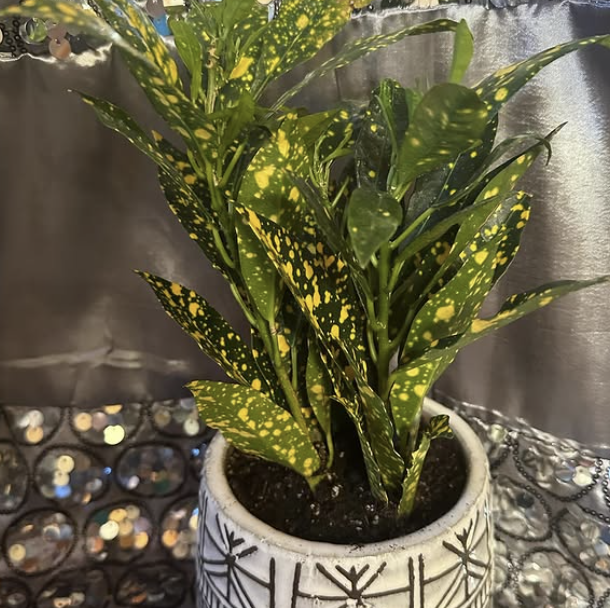
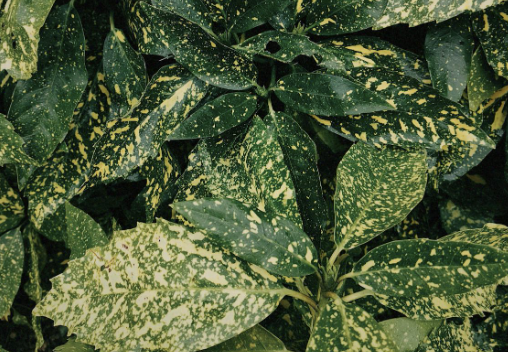
If you are looking for a plant that really stands out, the croton gold dust is a great choice. It has deep green leaves covered in bright yellow spots, which gives it that bold, eye-catching look.
It is a true statement indoor plant, and adds a pop of color to any space and instantly lifts the room.
That said, croton plants do need a bit more attention than some others. But once you understand their needs, they can thrive and reward you with vibrant colors all year.
Let’s go through everything you need to know.
Background
The croton gold dust plant, also known as codiaeum variegatum ‘gold dust, is a tropical plant. It comes from Southeast Asia and the Pacific Islands.
In its native habitat, it grows as an evergreen shrub or even small trees. It thrives in warm temperatures, high humidity, and bright light.
Because of this, it can be a little sensitive indoors. However, with proper care, it adapts well and becomes a beautiful plant in your home.
Types
There are many croton plants, and each one has different leaf color and patterns.
The gold dust croton is loved for its green leaves with yellow spots. Other types, like the croton mammy, may have red, orange, or mixed bright colors.
So, if you enjoy colorful foliage, crotons are a great group to explore.
Is It Similar to Other Houseplants?
In some ways, yes.
It is similar to other tropical plants that enjoy bright light and high humidity. If you have cared for plants from tropical climates, this will feel familiar.
However, croton plants are a bit more sensitive. They do not like sudden changes and can react quickly to environmental factors.
So, while the care is simple, consistency is key.
Size
Indoors, the croton gold dust house plant usually grows to around 60 to 120 cm tall.
It can also grow wider over time, especially if given space.
In outdoor plants or tropical climates, it can grow much larger, almost like small trees.
Light
Light is one of the most important parts of care.
This plant loves bright light. A spot with bright indirect light works well, but it can also handle some direct sun.
Too little light will cause the leaf color to fade. Too much direct sun can scorch the leaves.
So, aim for strong light without harsh exposure.
Water
Watering needs to be balanced.
Keep the soil lightly moist, but not wet. Let the top inch of soil dry out before watering again.
Too much water can lead to root rot, which is a common issue.
Always use a pot with drainage holes so excess water can escape from the bottom of the pot.
Temperature
This tropical plant loves warmth.
Keep it in a space with consistent temperatures. Avoid cold drafts and cold weather.
Sudden changes can stress the plant and cause leaf drop.
Humidity
High humidity is very important for healthy growth.
If the air is too dry, you may see dry air damage or leaf drop.
Regular misting or a humidifier can help. This keeps humidity levels closer to its native tropical environment.
Fertiliser
During the growing season, the plant will benefit from feeding.
Use a balanced liquid fertilizer once a month. This supports new growth and keeps the plant looking full.
In winter months, you can reduce feeding.
Soil
Use well-draining soil that holds some moisture.
A mix with organic matter and slightly acidic soil works best.
Good drainage is key to protecting the root system.
Repotting
Repot when the plant becomes root-bound.
Move it into a slightly larger pot with fresh soil. Early spring or early summer is a good time.
Be careful not to disturb the root ball too much.
Pruning
Pruning helps keep the plant full and neat.
Remove dead leaves and trim back long stems. This encourages new growth and a bushier shape.
Always use a clean cut when trimming.
Propagation
You can propagate using stem cuttings.
Take a healthy stem from the parent plant and place it in water or soil.
With time, roots will form, and you will have new plants to enjoy.
Seasonal Care
During the growing season, the plant will grow more actively.
So, you will need a steady watering routine and regular feeding.
In winter months, growth slows. So, reduce watering and avoid feeding.
Always adjust care based on current weather and light.
Does It Bloom?
Croton gold dust plants can bloom, but it is rare indoors.
The flowers are small and not very noticeable. The real appeal is the colorful foliage.
To encourage blooming, provide bright light and proper care. Still, most plant lovers focus on the leaves.
Plant Benefits
This plant brings a lot to your space.
It adds a pop of color and creates a warm, tropical feel. Its striking foliage makes it a standout choice.
It is perfect for plant enthusiasts who want something bold and different.
Common Problems and Troubleshooting
If your plant starts to struggle, it will often show clear signs.
Yellow leaves can mean too much water. Leaf drop can happen with sudden changes.
If the leaf color fades, it may need more light.
Most problems come from changes in environment or watering.
Pests
Spider mites are the most common pests.
You may notice tiny little silver creatures or webbing. Wipe leaves with a damp cloth and treat early.
Diseases
Root rot is the main disease to watch for.
It is caused by excess water and poor drainage.
Keeping the soil well-drained helps prevent this issue.
Is It Pet Friendly?
No, this plant is not pet friendly.
Parts of this plant can be toxic, so keep it away from pets and children.
FAQs
How do you take care of a Gold Dust Croton?
Give it bright light, keep the soil moist but not wet, and maintain high humidity.
What are the common problems with croton plants?
Common issues include yellow leaves, leaf drop, and root rot from excess water.
What is the lifespan of a croton gold dust plant?
With proper care, it can live for many years and continue growing.
Where is the best place to keep a croton gold dust plant?
Place it in a bright spot with indirect sunlight and stable conditions.
Do croton gold dust like deep pots?
They prefer a pot that fits the root system, not one that is too deep or too large.
What does an overwatered croton gold dust look like?
It may have yellow leaves, soft stems, and soggy soil.
With the right care routines, your croton ‘gold dust will thrive. Over time, it will reward you with bold, beautiful foliage that truly stands out.