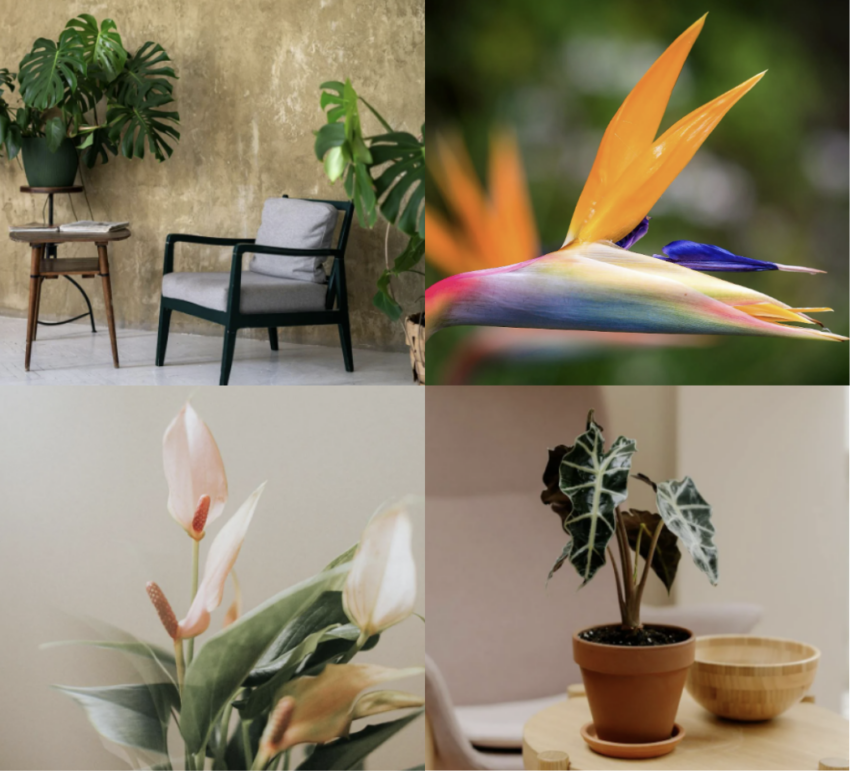
Many people start thinking about a home refresh or small remodel. Maybe you want to update your living room, improve air quality, or bring life into indoor spaces that feel dull. Paint and furniture help, but nothing transforms a space faster than show-stopping houseplants.
The right plants add lush greenery, soften hard edges, and make a home feel finished. Even better, many of the best indoor plants look impressive without needing constant care.
Monstera (Swiss Cheese Plant)
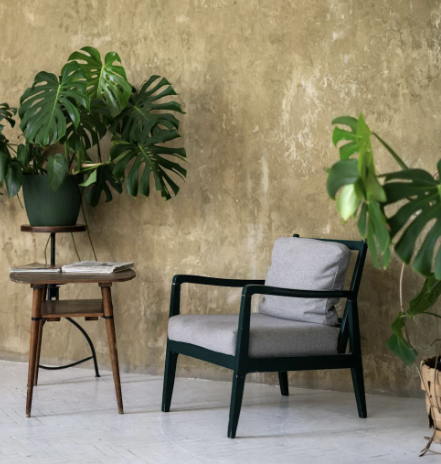
Monstera, also known as the Swiss cheese plant, is a classic show-stopping house plant. Its split leaves feel bold and tropical, making it a favorite for modern homes. It grows quickly during the growing season and fills a bright room with ease. Monstera prefers bright, indirect light but adapts to soft light as well. Avoid dark corners and low-light spaces, as growth will slow.
Water monstera when the top inch of soil feels dry. Always use pots with drainage holes to prevent root rot. During winter months, growth slows, and water needs decrease. This plant rewards consistency and becomes a long-term centrepiece.
Read my post on Monstera Care Guide: How To Grow a Healthy and Beautiful Plant to learn how to care for this tropical plant.
Anthurium
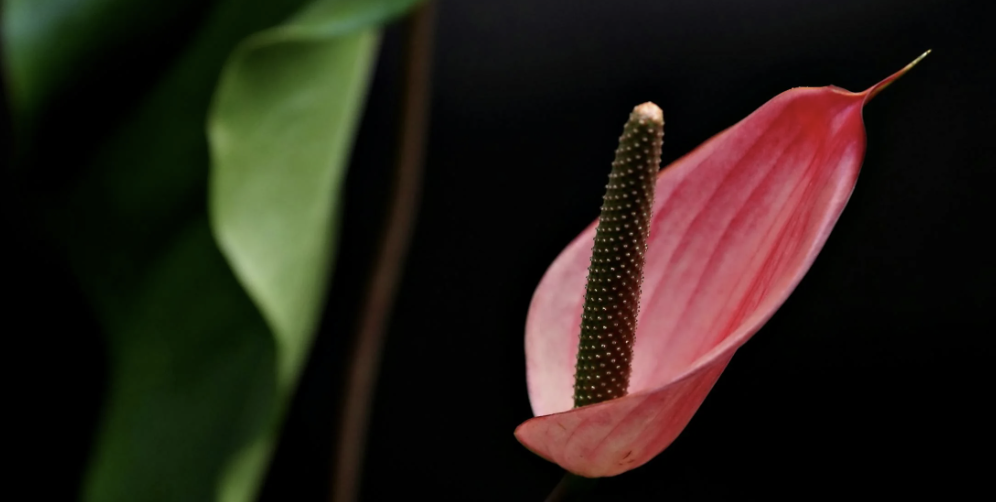
Anthuriums stand out for their glossy leaves and long-lasting flowers. They bring a polished look to indoor spaces and feel slightly luxurious. These tropical plants prefer bright, indirect light and steady warmth. Direct sun can damage leaves, while low light reduces flowering.
High humidity supports healthy growth. Humid rooms work well, especially bathrooms with good light. Use distilled water when possible, as tap water can stress the leaves. Anthuriums have specific needs, but the visual impact makes the extra effort worthwhile.
Find the full care guide here – Anthurium Plants: Quick and Simple Tips for Healthy Growth
Calathea Freddie (Prayer Plant)
Calathea Freddie belongs to the prayer plants family and is loved for its patterned leaves. The leaves move slightly with light changes, adding interest and softness to a room. Bright light or direct sun can scorch the leaves. It prefers soft, filtered light, which we break down step by step here – How to Care for Calathea Freddie: The Complete Guide.
High humidity is essential. Dry air causes curling and browning, especially during winter months. Supplemental misting or a humidifier helps. Keep soil lightly moist but never soggy. Good drainage prevents excess moisture and fungus gnats.
Stingray Alocasia
The Stingray plant is a true show-stopper with its unique leaf shape. The foliage feels sculptural and modern, making it perfect for design-focused homes. If you’re new to this plant, we break everything down clearly in this guide – Stingray Plant Care Guide: Everything You Need to Know. It prefers bright indirect light and steady warmth. Low light or dark hallways will cause slow growth.
Humidity is important, but airflow matters too. Moist conditions without ventilation can cause issues. Use pots with good drainage and water carefully. Root rot develops quickly if soil stays wet.
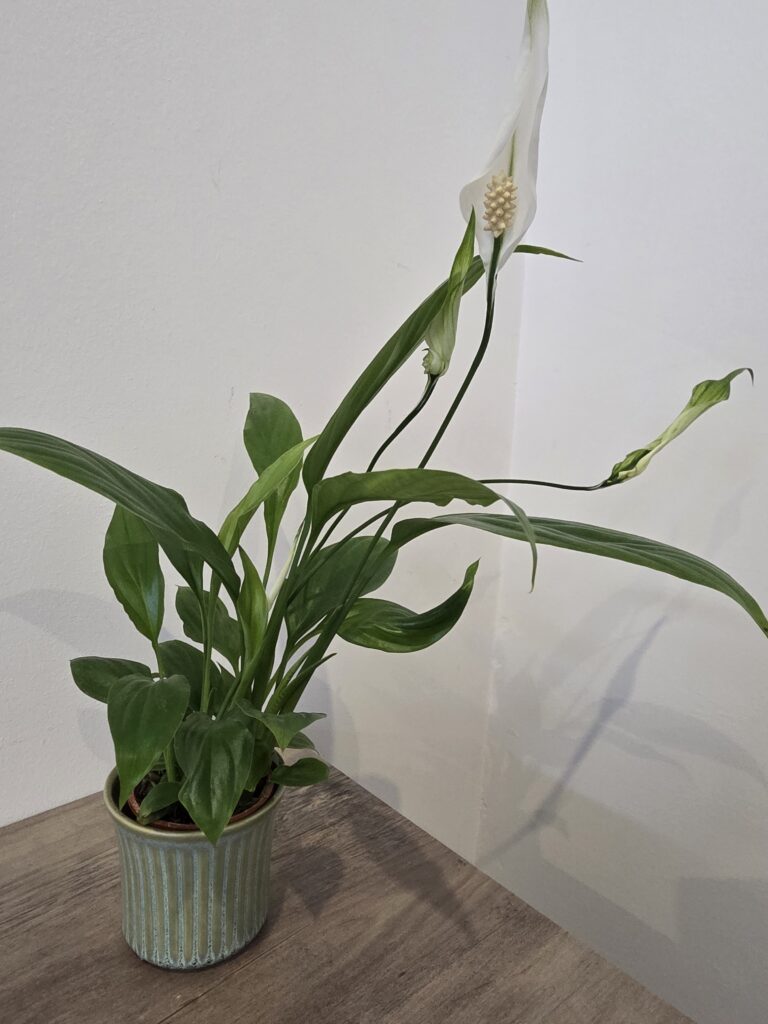
Peace Lily
Peace lilies remain one of the best houseplants for a reason. They balance beauty, air quality, and ease of care. Peace lilies tolerate low light and low-light spaces, though bright light encourages blooms. Indirect sunlight works best.
They enjoy moist conditions but dislike excess moisture. Water when leaves droop slightly, then allow the soil to drain fully. Peace lilies also act as a natural dehumidifier and thrive in humid conditions. They are ideal for beginner plant parents. For tips on this beautiful plant, read my post on The Sensation Peace Lily Care Guide For Successful Growth.
Watermelon Peperomia
Watermelon peperomia adds charm and pattern without taking over a space. Its striped leaves resemble watermelon rinds, making it a conversation piece. This plant prefers bright indirect sunlight but adapts well to artificial light.
Keep soil lightly moist and well-draining. Avoid direct sun, which fades leaf color. Watermelon peperomia stays compact, making it a great option for shelves and small indoor gardens.
Read our full guide for all the information you’ll need to grow this show-stopping beauty- Watermelon Peperomia Care Guide: Everything You Need to Know
Florida Ghost Philodendron
Florida Ghost is prized for its dramatic leaf color changes. New leaves emerge pale and slowly darken over time. Read our full guide for tips on how to help keep the leaves white for longer – Florida Ghost Plant Care: A Complete Guide for Beginners. Bright light supports this transformation, while low light removes the effect. Indirect light is ideal.
Humidity helps leaves develop properly, and fresh air reduces pest issues. This show-stopping plant suits experienced plant lovers who enjoy watching growth stages. It needs enough time and care, but the visual reward is striking.
Polka Dot Begonia
Polka dot begonia makes an instant statement with spotted leaves and tall stems. It brings personality and movement to indoor spaces. Bright indirect light keeps growth compact and strong. Low light causes legginess.
Humidity supports leaf health, especially in dry air. Allow soil to dry slightly between watering. Always use pots with drainage holes to prevent root issues.
Care stays simple when you understand the basics, which we cover in this post – How to Care for Begonia Melanobullata: The Complete Guide.
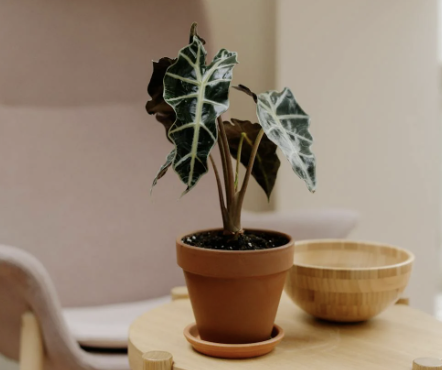
Alocasia Bambino
Alocasia Bambino offers sleek, dark green leaves with a modern feel. It fits well in minimalist spaces and bright rooms. This show-stopping plant needs bright indirect light to maintain strong growth. Low light slows development.
High humidity is essential. Humid rooms work best, especially bathrooms with natural light. Water carefully and reduce watering during winter months to avoid root rot.
This tropical plant demands attention but rewards proper care with its vibrant arrowhead-shaped leaves. Read how to get the best results here – Alocasia Bambino Plant Care Guide: Everything You Need to Know.
Congo Rojo Philodendron
Congo Rojo is a bold plant with deep green leaves and red undertones. It grows upright and full, making it a strong focal point. This plant adapts well to indoor spaces and prefers indirect light. Low light slows color development.
Water when the top inch of soil dries. Good drainage prevents excess moisture. Read our post Congo Rojo Guide: Tips You Need To Know To Grow A Beautiful Plant for the full care break down. Congo Rojo is a good choice for living rooms and open spaces.
Croton Gold Dust
Croton Gold Dust brings a wide array of colors with yellow-speckled leaves. It adds energy and brightness to a room. This plant requires bright light to maintain color. A bright spot near a window works best.
Crotons enjoy warmth and humidity. Dry air causes leaf drop. Avoid cold drafts and sudden changes.
Read my post on How to Grow a Beautiful Croton Gold Dust Plant to learn how to care for this tropical plant.
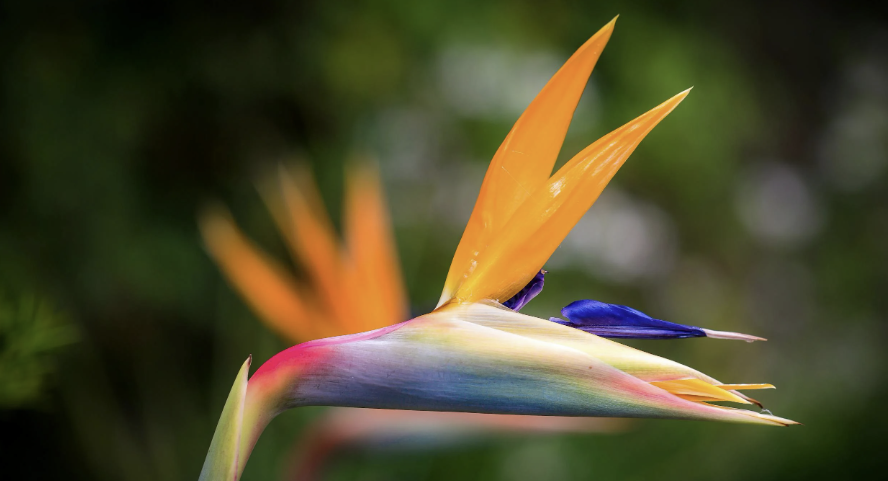
Bird of Paradise
Bird of Paradise creates instant drama with large, upright leaves. It feels architectural and bold. This plant needs bright light and plenty of natural light. Direct sun is tolerated and often beneficial.
Growth increases during summer months and slows in winter months. Use large pots with good drainage and water deeply, allowing soil to dry slightly between watering.
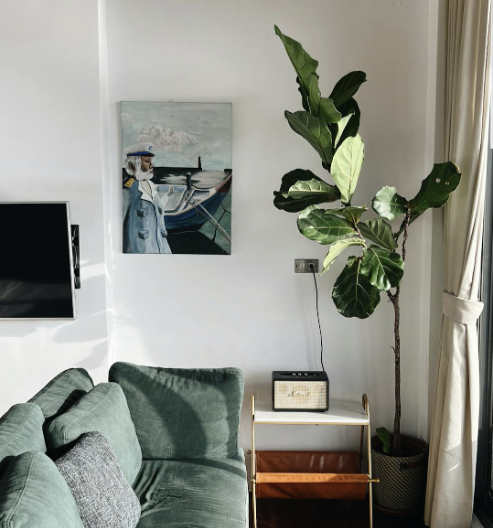
Fiddle Leaf Fig
Fiddle leaf fig remains iconic for its large, glossy leaves. It commands attention in any bright room. This show-stopping plant requires bright indirect light and consistent placement. Avoid dark corners and frequent moves.
Water only when soil dries slightly. Overwatering causes root rot. Rotate regularly for even growth. Make sure to repot every 1-2 years, so this plant can reach its full size potential. When given the right conditions, fiddle leaf figs thrive.
Other Show-Stopping Plants Worth Considering
Many other plants deserve attention. Snake plants and ZZ plants, also known as Zamioculcas zamiifolia, handle low light and minimal light well. Rubber plants add bold structure. Cast iron plants tolerate dark corners. Chinese evergreens adapt to low-light spaces. Spider plants, Boston fern, and maidenhair fern work well in hanging baskets and humid conditions. Corn plants, English ivy, rose grape plants, and even citrus trees add height and interest when light allows.
The best indoor plants succeed when they match the space. Light levels come first. Humidity comes next. Drainage holes prevent most mistakes. Understanding a plant’s needs builds confidence over time.
Show-stopping houseplants do not require perfection. They require the right plants in the right places. With thoughtful choices, any home can feel alive, balanced, and intentional. Welcome to houseplant central.