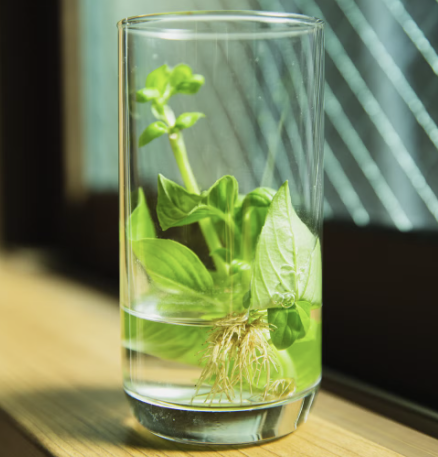
Hydroponics is changing the way we grow plants. They are clean, efficient, and perfect for small spaces.
Even better, they use less water and give faster growth rates. So, you can enjoy fresh produce all year round.
If you are a plant lover, this is a great way to grow more with less space.
What is Hydroponics?
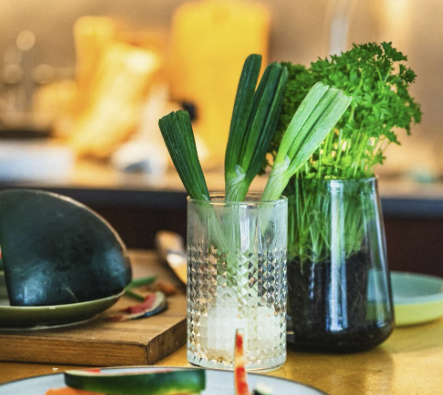
Hydroponics is a way to grow plants without soil.
Instead, plant roots sit in a nutrient-rich water solution. This gives them direct access to essential nutrients.
Because of this, plants grow faster and often produce higher yields.
Benefits of Hydroponic Gardening
There are many benefits of hydroponic gardening.
First, it uses less water than traditional gardening. This makes it a more efficient water use system.
Next, it allows precise control of nutrients and growing conditions.
Also, it works well in small spaces and indoor gardens.
Finally, it reduces many pest problems found in garden soil.
Essential Components of a Hydroponic System (Beginner Friendly)
Before choosing plants, it helps to understand the basics.
Every hydroponic system needs a few simple parts.
Water reservoir
This holds your nutrient solution. It feeds the plant roots directly.
Nutrient solution
This is water mixed with essential nutrients. It replaces soil and feeds plant growth.
Growing medium
This supports the plant. Options include coconut coir, clay pellets, or rockwool.
Light source
Plants need plenty of light. Use natural light or grow lights if indoors.
Air and oxygen
Roots need oxygen to stay healthy. Air pumps or moving water help with this.
Drainage and flow
Good water movement prevents root rot and keeps nutrient levels balanced.
Once you understand these, hydroponic setups become much easier.
Types of Hydroponic Systems
Different systems suit different plants.
- Nutrient film technique (NFT systems) – great for leafy greens
- Drip systems – ideal for larger plants like tomatoes
- Dutch bucket system – supports fruiting plants
- Deep water culture – one of the easiest systems for beginners
Choosing the right system helps your plants thrive.
Choosing the Right Plants for Hydroponics
Making sure you are choosing the right plants is key to success.
The best plants for hydroponics usually:
- Grow quickly (fast results keep motivation high)
- Have smaller or simple root systems
- Do not need much support
- Thrive in water-based environments
Fast-growing plants are a good idea because they adapt quickly. They also show results sooner, which helps beginners learn faster.
Leafy greens and fresh herbs are often the easiest plants to start with. They also need less space and fewer adjustments.
On the other hand, root vegetables and plants with extensive root systems are harder to manage.
Top 21 Best Plants for Hydroponics (Detailed Guide)
Leafy Greens
1. Leaf Lettuce
Leaf lettuce is one of the easiest plants to grow.
Why it works: It has shallow roots and grows fast in hydroponic conditions.
Care tips: Keep nutrient levels steady and provide bright light.
Fact: It can be ready to harvest in just a few weeks.
2. Spinach
Spinach grows well in cooler conditions.
Why it works: It adapts well to nutrient film technique systems.
Care tips: Avoid high heat and maintain steady water level.
Fact: It grows quickly and produces tender leaves.
3. Swiss Chard
Swiss chard is hardy and reliable.
Why it works: It tolerates different conditions well.
Care tips: Provide plenty of light and stable nutrients.
Fact: It keeps producing leaves after each harvest.
4. Kale
Kale is a strong grower.
Why it works: It thrives in hydroponic environments with high light.
Care tips: Use grow lights if natural light is low.
Fact: It produces high yields over a long growing season.
5. Mustard Greens
Mustard greens grow very fast.
Why it works: They have rapid growth and simple care needs.
Care tips: Harvest often to keep new growth coming.
Fact: They are ready in a short time.
Fresh Herbs
6. Basil
A popular choice for hydroponic gardeners.
Why it works: Fast growth and loves warm conditions.
Care tips: Keep light high and trim often.
Fact: Pruning encourages bushy growth.
7. Mint
Mint grows quickly and easily.
Why it works: It thrives in moist hydroponic systems.
Care tips: Give it space to spread.
Fact: It can take over if not controlled.
8. Parsley
Parsley is slower but steady.
Why it works: It adapts well to indoor hydroponic setups.
Care tips: Keep moisture consistent.
Fact: It improves over time as it matures.
9. Cilantro
Cilantro prefers cooler temperatures.
Why it works: It grows quickly in the right conditions.
Care tips: Avoid heat to prevent bolting.
Fact: It has a short growing cycle.
10. Chives
Chives are compact and easy.
Why it works: Perfect for limited spaces.
Care tips: Trim often for fresh growth.
Fact: They regrow quickly after cutting.
Fruiting Plants
11. Tomatoes
A top plant for hydroponic farming.
Why it works: Produces high yields in controlled environments.
Care tips: Needs support and high light.
Fact: Common in commercial growers systems.
12. Bell Peppers
Bell peppers are a great option.
Why it works: Thrive in warm hydroponic conditions.
Care tips: Provide proper support and steady nutrients.
Fact: They produce colorful fruits.
13. Hot Peppers
Hot peppers are similar to bell peppers.
Why it works: Strong growth in warm systems.
Care tips: Keep high light and stable feeding.
Fact: They produce many fruits over time.
14. Cucumbers
Cucumbers grow quickly.
Why it works: Rapid growth and high yields.
Care tips: Use a trellis for support.
Fact: Great for vertical growing in small spaces.
15. Strawberries
A fun and rewarding plant.
Why it works: Small size and high market demand.
Care tips: Keep roots cool and well oxygenated.
Fact: Can produce fruit multiple times a year.
Other Great Options
16. Bush Beans
Compact and productive.
Why it works: Do not need much space.
Care tips: Ensure proper light and nutrients.
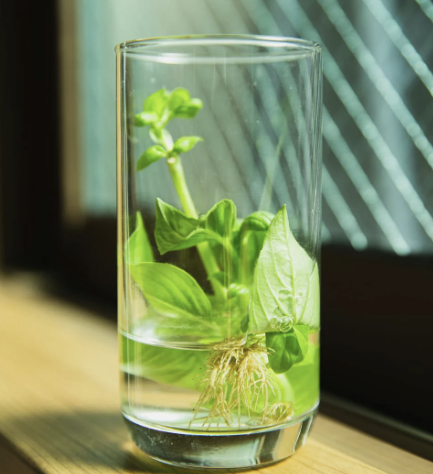
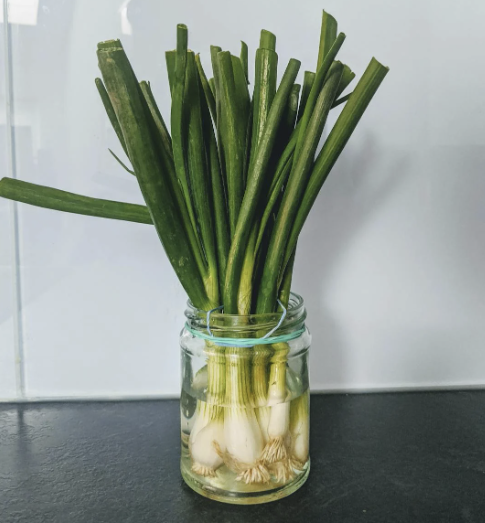
17. Green Onions
Very beginner friendly.
Why it works: Regrow quickly from cut stems.
Care tips: Keep water fresh and clean.
18. Watercress
Loves constant water flow.
Why it works: Perfect for NFT systems.
Care tips: Maintain steady water movement.
19. Bok Choy
Fast and compact.
Why it works: Great for indoor hydroponic gardens.
Care tips: Provide even nutrients.
20. Microgreens
Extremely fast growing.
Why it works: Ready in days.
Care tips: Keep light strong and consistent.
21. Arugula
Quick and easy.
Why it works: Rapid growth and simple care.
Care tips: Harvest young for best taste.
Nutrient Management in Hydroponics
Plants rely fully on nutrient solution.
So, keeping nutrient levels balanced is very important.
Check regularly and adjust based on plant growth.
pH and EC Management in Hydroponics
Keep the pH level between 5.5 and 6.5.
Also monitor electrical conductivity. This shows nutrient strength.
Stable levels give the best results.
Water and Air Quality in Hydroponics
Clean water is essential.
Tap water can work, but let it sit first.
Also, oxygen in water keeps plant roots healthy.
Tips for Successful Growth
- Provide plenty of light
- Keep water level stable
- Monitor plants often
- Avoid overcrowding
- Adjust nutrients as plants grow
Harvesting and Pruning
Harvest regularly to encourage new growth.
Prune plants to improve airflow and prevent disease.
Troubleshooting Common Issues in Hydroponics
Problems can happen, but most are easy to fix.
Yellow leaves
Often caused by nutrient imbalance or incorrect pH level.
Slow growth
Usually due to insufficient light or low nutrient levels.
Root rot
Caused by poor oxygen or dirty water. Roots may turn brown and soft.
Powdery mildew
Appears in humid conditions with poor airflow.
Wilting plants
Can be due to low water level or root damage.
Tip burn
Often caused by too many nutrients.
The best way to fix issues is early detection and quick action.
FAQ
What plants work best in a hydroponic system?
Leafy greens and fresh herbs are the easiest and most reliable.
What are 5 disadvantages of hydroponics?
Setup cost, maintenance, power use, learning curve, and monitoring water.
What are three plants not recommended?
Carrots, potatoes, and other root vegetables.
What are the 7 requirements of a hydroponic system?
Water, nutrients, oxygen, light, support, proper pH level, and temperature.
Is tap water ok in hydroponics?
Yes, but let it sit before use.
How often do you change hydroponic water?
Every 1–2 weeks.
How long do hydroponic plants last?
They can last a full growing season or longer.
Is hydroponics easy for beginners?
Yes, especially with simple systems and easy plants.