
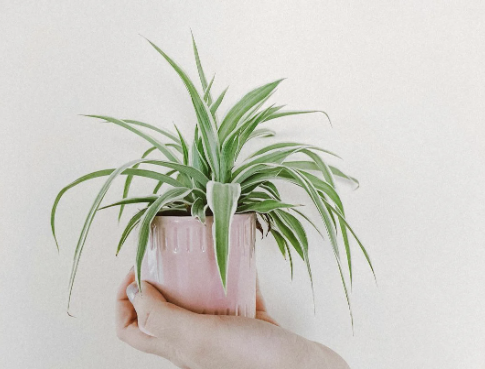
The spider plant is one of the most common and easiest indoor plants you can grow. It is simple, forgiving, and perfect for beginners. If you want something low effort but still rewarding, this is a great choice. Even better, it grows quickly, so you will start to see new growth and baby plants without waiting too long.
Background
Spider plants come from warm regions like South Africa. In their natural habitat, they grow in bright spots with some shade and good airflow. Because of this, they adapt very well to indoor spaces. They are used to changing conditions, which is why they are so forgiving. If you forget to water once or twice, they usually bounce back. This hardiness makes them great for a desk at work, or a dark bathroom.
Light
Light makes a big difference in how your plant grows. Spider plants do best in bright indirect sunlight, so a bright room is ideal. A spot near a window with soft natural light works really well. They can survive in low light, but growth will slow down. On the other hand, too much direct sunlight can cause brown tips or faded leaves. So aim for a balanced, bright spot without harsh sun.
Water
Watering is where most common problems happen. Spider plants like slightly moist soil, but they do not like sitting in water. A good habit is to check the surface of the soil before watering. If it feels dry, then water well.
At the same time, avoid excess water, as this can lead to signs of root rot and damage the plant’s roots. On the flip side, lack of water can cause drooping leaves and dry tips. The key is finding that right balance. Keep it steady and simple.
Temperature
Spider plants are very easy-going when it comes to temperature. They are happy in normal room conditions, usually between 15°C and 25°C. However, they do not like extreme temperatures or sudden changes. Try to keep them away from cold drafts and very hot spots.
Humidity
These plants prefer average to slightly high humidity, but they are very adaptable. If your home is dry, they will still grow, although you may notice brown tips. If you want to improve this, a humidity tray or light misting can help.
Fertiliser
During the growing season, feeding can really boost growth. A light liquid feed every few weeks from early spring to late summer works well. However, do not overdo it. Too much fertiliser can harm the roots. A gentle routine is best for steady, healthy growth.
Soil (and how deep it should be)
Good soil makes a big difference. A well-draining soil or quality potting mix is ideal. This helps prevent fungal diseases and keeps the roots healthy. Soil with good airflow also supports faster growth.
Spider plants do not need very deep pots. Their roots spread out more than they grow down. A medium pot works well, as long as it has drainage holes at the bottom of the pot. This helps excess water escape and protects the roots.
Repotting
Spider plants grow quickly, so they often need repotting every one to two years. If you see roots coming out of the pot, it is time. Moving to a slightly larger pot with fresh soil will help boost growth.
The best time to repot is early spring, just before the active growing period begins.
Pruning
Pruning helps keep your plant healthy and tidy. You can remove dead leaves, brown patches, or damaged areas. Trimming long stems can also help shape the plant. Always use clean tools and make neat cuts.
Propagation
Spider plants are one of the easiest plants to propagate. They produce baby plants, often called spiderettes. You can place these in soil or even a glass vase with water.
They root quickly and grow into a new plant, which makes them fun to share or expand your collection.
Seasonal care
In spring and summer, spider plants grow quickly. This is when you will see lots of new leaves. During this time, water a little more and feed lightly.
In autumn and winter, growth slows down. So reduce watering and stop feeding. Keep the plant in a warm spot with good natural light.
Size and growth rate
Spider plants are known for being fast growers. They can spread wide and produce long trailing stems. With the right care, they can grow quickly and become full, healthy plants within one growing season.
How to encourage blooming
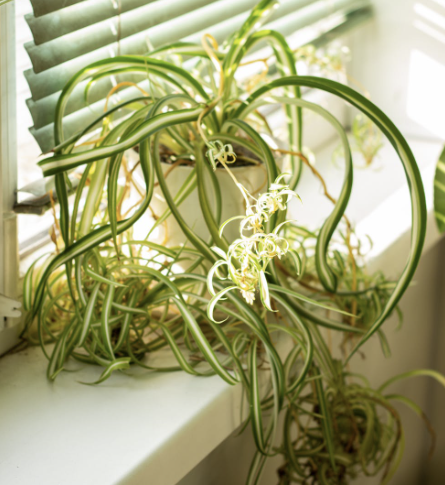
Spider plants can produce small white flowers. These often turn into baby plants afterwards. To encourage blooming, make sure your plant gets enough light and is not overwatered.
Slightly crowded roots can also help trigger flowering. Blooms usually appear in warmer months and last a few weeks.
Common problems
Most issues come from watering or light. Yellow leaves often mean too much water. Brown tips can be caused by dry air or tap water. Drooping leaves may mean the plant is too dry.
If you notice mushy leaves or a bad smell, this can point to root rot. The first step is always to check water and light conditions.
How to Get Rid of Brown Tips on a Spider Plant
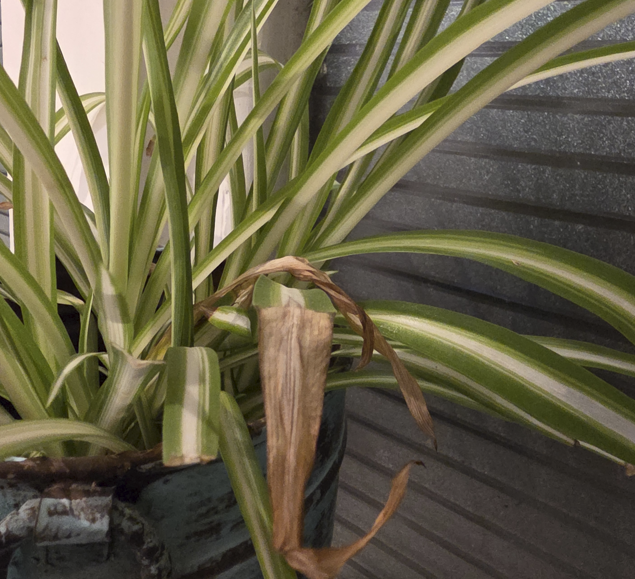
Brown tips are one of the most common spider plant problems. Start by checking how often you water your plant and how quickly the soil dries. Both underwatering and inconsistent watering can cause brown tips.
Dry indoor air can also play a part, especially during winter. Too much fertiliser or a build-up of salts in the soil may also cause the tips to turn brown. Move your spider plant away from harsh direct sunlight and keep it in bright, indirect light instead.
You can also trim the brown tips with clean scissors to improve the plant’s appearance. However, remember that cutting the brown parts will not fix the cause. The main thing is to improve the plant’s growing conditions so new leaves grow without brown tips.
Pests
Spider plants can sometimes get pests like spider mites. You might notice fine webs or dull leaves. Wiping leaves with a damp cloth and using neem oil or insecticidal soap can help.
Checking regularly makes it easier to catch problems early.
Is it pet friendly?
Yes, spider plants are safe for pets. This makes them a great choice for homes with cats or dogs.
FAQ
How do you look after a spider plant indoors?
Keep it in bright indirect light, water when the soil dries, and use well-draining soil.
How hard is it to keep a spider plant alive?
It is very easy. It is one of the most beginner-friendly plants.
Where is the best place to put a spider plant in your house?
A bright spot near a window with indirect sunlight is ideal.
Can a spider plant go 2 weeks without water?
Yes, but it may start to look dry. Try to water more regularly.
What is the lifespan of a spider plant?
They can live for many years with proper care.
How do I revive a dying spider plant?
To revive a dying spider plant check watering, improve light, and repot if needed.
Should you water spider plants from the top or bottom?
Top watering works well, as long as water drains properly.
What are the cons of having a spider plant?
They can get brown tips and grow quite fast.
Are coffee grounds good for spider plants?
Only in small amounts. Too much can upset the soil balance.
Will a spider plant grow in just water?
Yes, but long-term growth is better in soil.
How do I perk up my spider plant?
Adjust light, fix watering, and refresh the soil if needed.