
The String of Dolphins plant is one of those houseplants that makes people stop and look twice. Its small, dolphin-shaped leaves grow along long trailing stems. As a result, it creates a playful and unique display.
Also known as Senecio peregrinus, this soft succulent is a popular choice for hanging baskets. It can also trail beautifully from shelves or a suspended pot.
The good news is that String of Dolphins care is fairly simple. The main thing is getting the balance of light and water right.
In this guide, I’ll explain how to care for String of Dolphins from top to bottom. I’ll cover watering, light, soil, feeding, propagation, seasonal care, common problems, and more.
If you love this plant, you might also enjoy String of Pearls, String of Banana, or other unusual trailing plants. You can find more ideas in my guide to 17 stunning String of Plants.
What Is String of Dolphins?
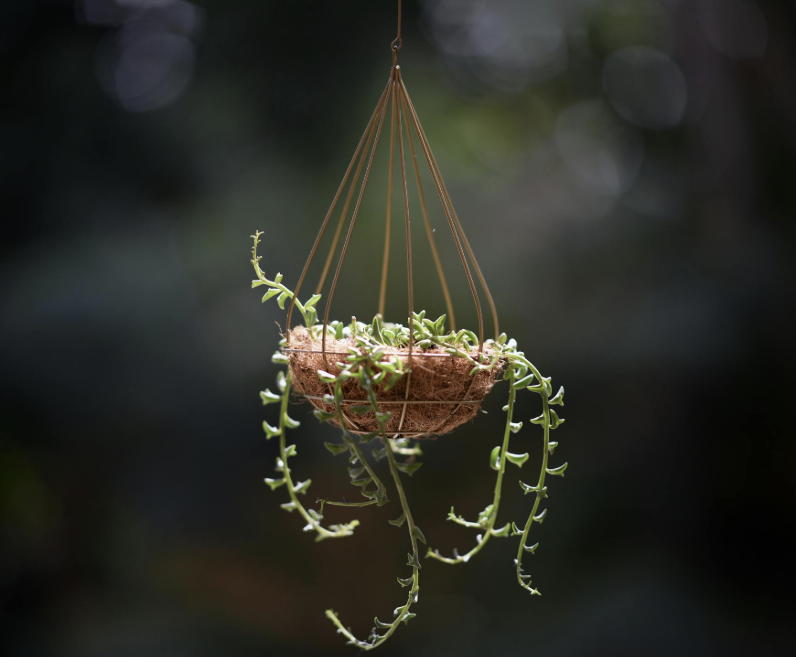
String of Dolphins, or Senecio peregrinus, is a trailing succulent with a very unusual shape. Its leaves look like tiny dolphins leaping from the stem.
It is often confused with String of Pearls because both plants have a similar trailing growth habit. However, their leaves look quite different.
String of Dolphins is thought to be a hybrid involving String of Pearls, Senecio rowleyanus. This helps explain its similar care needs.
Like many succulent plants, it is suited to dry conditions. It prefers bright light, low water, and well-draining soil.
This makes it very different from tropical plants that need constantly moist soil.
Background and Natural Environment
String of Dolphins belongs to the succulent group and is linked to dry environments in southern Africa.
Because of this background, the plant is adapted to periods of limited water. Its leaves are soft and fleshy, so they can hold moisture.
This is one reason overwatering is such a common issue.
The plant has also developed a trailing growth habit. In nature, related trailing succulents can spread across the ground.
At home, this natural habit makes String of Dolphins perfect for shelves and hanging baskets.
String of Dolphins: Beginner Information
String of Dolphins is often described as an easy succulent. I agree, as long as you understand one main rule.
Do not treat it like a regular houseplant.
The plant does not need much water. It also needs plenty of light and soil that drains quickly.
Once you get those basics right, the care routine is quite simple.
It is also a good choice for beginners who want something a little unusual. The leaves look delicate, but the plant can be quite forgiving.
The biggest mistake is usually giving it too much water.
Types and Similar Plants
The String of Dolphins plant is the main attraction, but several similar plants are worth knowing.
String of Pearls has round leaves and a very similar trailing shape. String of Banana has curved leaves that can look like tiny bananas.
You may also come across plants such as Candle Plant and Senecio articulatus. These have very different shapes, but they can still appeal to succulent lovers.
String of Turtles is another unusual trailing plant. Its round leaves have markings that resemble tiny turtle shells.
Together, these plants can make a great addition to a succulent collection.
String of Turtles is another unusual trailing plant worth exploring. You can learn more in my guide to String of Turtles plant care.
How Big Does String of Dolphins Get?
String of Dolphins can become quite long when it grows in the right conditions.
As a trailing plant, it spreads outward rather than growing straight up.
A mature plant can develop long stems that spill over the sides of a pot. This makes it especially attractive in a hanging basket.
The final size depends on light, care, pot size, and growing conditions.
Regular pruning can also help control the length and encourage a fuller shape.
Is String of Dolphins an Indoor or Outdoor Plant?
String of Dolphins is usually grown as an indoor plant.
It can grow outdoors in warm climates, especially during spring and summer. However, it does not cope well with cold winters.
If you live in a cooler climate, keeping it indoors is usually the safest choice.
You can move it outside during the warmer months. Choose a bright, sheltered position and protect it from heavy rain.
A sunny windowsill or bright outdoor spot can work well.
Is String of Dolphins Care Similar to Other Plants?
Yes. If you already grow succulent plants, String of Dolphins should feel familiar.
It behaves a lot like String of Pearls. It prefers bright light, fast-draining soil, and a careful watering routine. So, if you’ve had success with other succulents, you’re already on the right track. You can also read my guide to how to grow a beautiful String of Pearls for another easy trailing succulent.
They also benefit from a simple feeding routine during active growth.
However, String of Dolphins has one extra concern. Too little light can cause its unusual leaves to lose their shape.
Therefore, light is especially important for this plant.
Light Requirements
String of Dolphins needs plenty of light for healthy growth.
Bright, indirect light is usually a good starting point. A sunny windowsill can work well, especially near an east-facing window.
A south-facing window can also work. However, strong hot afternoon light can scorch the leaves.
A few short periods of direct sun may be fine. Still, avoid placing the plant in intense sunlight for hours at a time.
Low light conditions can cause long, weak stems. The dolphin-shaped leaves may also become smaller or less distinct.
If your home is dark, a grow light can help.
The right balance is bright enough light without harsh heat.
How Much Water Does String of Dolphins Need?
Watering is one of the most important parts of String of Dolphins care.
This plant does not like much water.
Always check the top of the soil before watering. Let the soil dry fully, then give the plant a thorough drink.
After watering, allow excess water to drain through the pot’s drainage holes.
Do not leave the pot standing in water.
If the soil stays wet for too long, root rot becomes much more likely.
On the other hand, a very thirsty plant may develop shrivelled leaves.
The best approach is simple. Let the soil dry, then water deeply.
Should You Bottom Water String of Dolphins?
Yes, bottom watering can work well.
Place the pot in a shallow tray of water and let the soil absorb moisture through the drainage hole.
Once the top of the soil feels slightly damp, remove the pot and let it drain.
This can be useful for plants growing in very fast-draining succulent soil.
However, top watering is also perfectly fine.
The method matters less than avoiding excess water.
Temperature
String of Dolphins prefers warm, stable temperatures.
Normal household temperatures are usually suitable during the growing season.
Try to keep the plant away from cold draughts and sudden temperature changes.
This is especially important during winter.
Do not leave it beside an open window during cold weather.
It is also best kept away from very hot radiators.
The goal is a stable environment without extreme heat or cold.
Humidity
String of Dolphins does not need high humidity.
In fact, average indoor humidity is usually fine.
This makes it much easier to care for than many tropical houseplants.
You do not need to mist the plant or use a pebble tray.
High humidity combined with wet soil can increase the risk of problems.
Instead, focus on good airflow and dry conditions between watering.
Fertiliser
String of Dolphins only needs light feeding.
During the growing season, you can use a high-quality liquid fertiliser at half strength.
Spring and early summer are usually the best times to feed.
A simple feeding routine can support new growth without overwhelming the plant.
Avoid heavy fertilising.
Too much fertiliser can stress the roots and cause problems in the soil.
Stop feeding during winter dormancy when the plant is resting.
Best Soil for String of Dolphins
Fast-draining succulent soil is essential.
The roots need moisture, but they also need plenty of air.
A good succulent mix can work well on its own. You can also add coarse sand or perlite to improve drainage.
Some growers use a cactus mix with extra grit.
Whatever you choose, avoid heavy soil that stays wet for days.
Well-draining soil helps prevent root rot and makes watering much easier.
The goal is good drainage rather than soil that holds water for a long time.
The right soil makes a big difference to this plant. For a more detailed guide, see my article on the best soil for String of Dolphins.
Growing String of Dolphins in Pots
Always use a pot with drainage holes.
This gives excess water a way to escape after watering.
Terracotta pots can work particularly well because they dry out faster than many plastic pots.
However, plastic pots are also fine if the soil drains well.
Choose a pot that suits the size of the root system.
There is no need to give a small plant a huge container.
Too much extra soil can stay wet and increase the risk of root problems.
Repotting String of Dolphins
You will not need to repot String of Dolphins often.
Wait until the plant has outgrown its pot or the soil has broken down.
When you repot, choose a slightly larger pot.
Do not move it into a much larger container.
Gently remove the plant and check the roots.
If they look healthy, place the plant into fresh succulent soil.
Then water lightly and allow excess water to drain.
Late winter or early spring can be a good time to repot before active growth begins.
Pruning String of Dolphins
Pruning helps keep the plant full and tidy.
If the stems become very long, trim them back with clean scissors.
Make your cut above a healthy section of stem.
This can encourage new growth further along the plant.
Pruning also gives you useful cuttings for propagation.
Do not throw healthy cuttings away.
You can use them to make new plants.
How to Propagate String of Dolphins
The best way to propagate String of Dolphins is with stem cuttings.
Choose a healthy stem with several leaves.
Cut a section using clean scissors.
Then allow the cut end to dry for a day or so.
This gives the wound time to callus.
Next, place the cutting on or just into well-draining succulent soil.
Keep the soil lightly moist while roots begin to form.
Avoid keeping it wet.
With time, the cutting should begin producing roots and new growth.
Can You Propagate String of Dolphins in Water?
Water propagation is possible, but soil propagation is often simpler for succulents.
If you try water propagation, place the lower part of a healthy cutting in water.
Keep the leaves above the water.
Once new roots appear, move the cutting into succulent soil.
However, avoid leaving the cutting in water for too long.
String of Dolphins is adapted to dry conditions, so soil propagation can be a better fit.
Can You Propagate From a Single Leaf?
Leaf propagation is less reliable than stem cuttings.
A healthy stem gives you more useful growth points and has a better chance of developing into a new plant.
For the best results, use a stem cutting instead.
Can You Propagate by Division?
Division is not usually the main method for String of Dolphins.
Unlike some clumping plants, it does not naturally form large sections that are easy to split.
Stem cuttings are usually faster and easier.
Seasonal String of Dolphins Care
Your plant’s needs change slightly throughout the year.
Understanding this can help prevent overwatering and other common problems.
Spring
Spring marks the start of active growth.
You may notice new growth appearing as light levels increase.
Begin watering more regularly, but still let the soil dry between drinks.
You can also start feeding with a diluted liquid fertiliser.
Spring is a good time to prune, propagate, or repot.
Summer
Summer is usually the main growing season.
Give your plant plenty of bright light and warmth.
You may need to water slightly more often than in winter.
However, always check the soil first.
Early summer is also a good time for propagation because the plant is actively growing.
Autumn
In early fall, growth may start to slow.
The plant may need less water as temperatures drop.
Reduce feeding as the growing season comes to an end.
Keep the plant in a bright position so it receives enough light.
Winter
String of Dolphins can enter a winter rest period.
Growth may become very slow.
This means the plant uses less water.
Reduce watering and stop feeding while the plant is resting.
Keep it somewhere bright and protected from cold winters.
If your home becomes darker during winter, a grow light can help.
String of Dolphins Benefits
String of Dolphins is a great plant for anyone who wants something different.
Its dolphin-shaped leaves bring personality and a playful feel to a room.
It also works well in small spaces.
A hanging basket or suspended pot lets the stems trail down without taking up much floor space.
This makes it an excellent choice for succulent shelves, desks, and bright windows.
It is also a novelty plant that can become a talking point.
For succulent lovers, few plants have the same distinctive curled leaf shape.
Its trailing growth makes it particularly useful for shelves and hanging baskets. For more ideas, take a look at my guide to the best trailing plants for indoors.
How to Encourage String of Dolphins to Bloom
String of Dolphins can produce small, pale-pink flowers under the right conditions.
The flowers are subtle, but they can be a lovely extra feature.
Good light is important if you want to encourage flowering.
A simple feeding routine during active growth can also help.
Some plants may benefit from a cooler rest period in winter.
However, flowers are not guaranteed.
Focus on healthy growth first. A happy plant is more likely to bloom.
Common String of Dolphins Problems
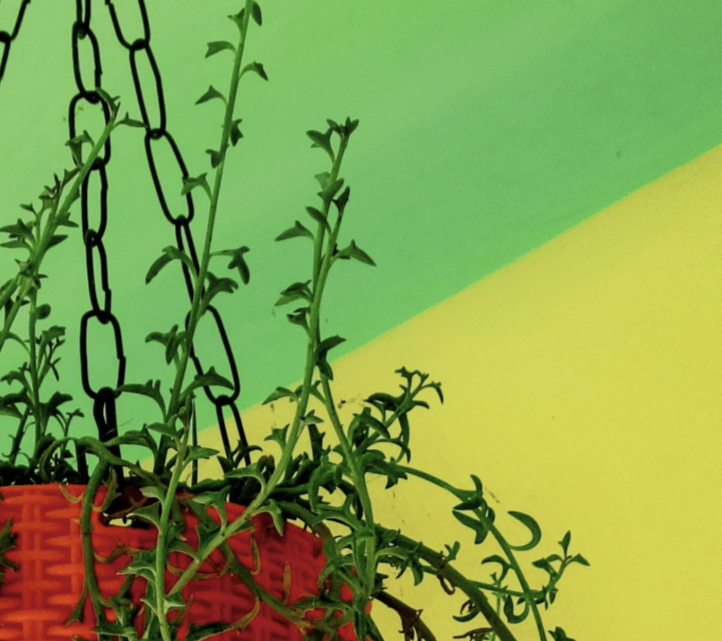
Most String of Dolphins problems are linked to watering or light.
Before changing anything, look at the whole plant.
Check the soil, roots, light, and recent care routine.
Why Is My String of Dolphins Turning Yellow?
Yellow leaves often point to too much water.
Check the soil first.
If it stays wet for a long time, the roots may be struggling.
Move the plant into a better-draining mix if needed.
Also check that the pot has a drainage hole.
A single old yellow leaf may simply be part of normal growth.
However, several yellow leaves at once usually deserve a closer look.
Why Is My String of Dolphins Shrivelling?
Shrivelling leaves often mean the plant is short on water.
Check the soil before watering.
If it has been completely dry for a long time, give the plant a thorough drink.
Then allow the soil to dry again.
However, shrivelling can also happen when roots are damaged.
If the soil is wet but the leaves still look thirsty, check the roots for root rot.
Why Is My String of Dolphins Dropping Leaves?
Leaf drop can have several causes.
Overwatering is one possibility.
Cold temperatures, low light, and sudden changes can also cause stress.
Check the soil and recent conditions.
If the plant has moved from a bright window to a darker room, it may need time to adjust.
Why Is My String of Dolphins Losing Its Dolphin Shape?
Low light is often the main cause.
The plant may start producing longer stems with smaller leaves.
Move it to a brighter spot with plenty of indirect light.
A grow light can help during darker months.
Avoid placing it straight into harsh sunlight.
Gradually increase the light if needed.
If you’re having trouble working out what is wrong, my guide to common succulent problems covers some of the most common causes of yellow, brown, and damaged leaves.
Pests
Spider mites can sometimes affect String of Dolphins.
They are more common when the air is very dry.
Check the plant regularly, especially under the leaves.
Look for tiny pests, pale marks, or fine webbing.
If you spot spider mites, isolate the plant from other houseplants.
You can then use a suitable treatment, such as insecticidal soap.
Neem oil is another option used by many houseplant growers.
Follow the product instructions carefully and avoid treating the plant in strong sunlight.
Diseases
The biggest disease problem is usually root rot.
Root rot develops when roots stay wet for too long.
Poor drainage and excess water are common causes.
Signs can include yellow leaves, mushy stems, dark roots, and a bad smell.
Remove the plant from the pot if you suspect serious root rot.
Trim away badly damaged roots with clean scissors.
Then repot into fresh, well-draining soil.
A pot with good drainage is one of the best ways to prevent the problem.
Is String of Dolphins Pet Friendly?
No, String of Dolphins should not be treated as pet friendly.
Keep the plant out of reach of cats and dogs.
A hanging basket can be useful if your pets like to explore low shelves.
However, make sure the plant is still secure and cannot fall.
If you have curious pets, choose a safe location away from their reach.
Should You Get a String of Dolphins Plant?
String of Dolphins is an excellent choice if you want a unique succulent.
Its unusual leaves make it much more interesting than many standard houseplants.
It is also fairly easy to care for once you understand its needs.
You only need to remember a few key points.
Give it plenty of light, use well-draining soil, and avoid much water.
Then let the soil dry before watering again.
If you love trailing plants, this could be an ideal choice.
The playful leaves look especially good spilling from a hanging basket.
Frequently Asked Questions
Are String of Dolphins hard to care for?
No. String of Dolphins can be quite easy.
It mainly needs bright light, fast-draining soil, and careful watering.
The biggest mistake is usually overwatering.
Once you understand that, the care becomes much easier.
How much sun does String of Dolphins need?
String of Dolphins needs plenty of bright light.
Bright indirect light is ideal for healthy growth.
A few hours of gentle direct sun can also be helpful.
Avoid strong hot afternoon light for long periods.
How often should I water String of Dolphins?
Water when the soil has dried fully.
Then give it a deep drink and let the excess water drain.
Do not water again while the soil is still damp.
Your exact watering schedule will depend on light, temperature, pot size, and season.
Why is my String of Dolphins shrivelling up?
Shrivelling often means the plant needs water.
Check the soil first.
If it is very dry, water thoroughly.
However, if the soil is wet and the leaves still look shrivelled, root problems may be the cause.
How do I make String of Dolphins fuller?
Prune long stems and give the plant enough light.
Cut healthy stems back to encourage new growth.
You can also propagate the cuttings and plant them back into the same pot.
This can help create a much fuller plant.
Should I bottom water String of Dolphins?
Yes, you can bottom water String of Dolphins.
Let the soil absorb water through the pot’s drainage hole.
Then remove the pot and let it drain fully.
Do not leave it sitting in water.
Can String of Dolphins grow outdoors?
Yes, but only in suitable climates.
It can enjoy warm outdoor conditions during spring and summer.
Bring it indoors before cold weather arrives.
Heavy rain can also cause problems if the soil stays wet.
Does String of Dolphins need humidity?
No. It usually prefers average indoor humidity.
You do not need to mist it.
High humidity combined with wet soil can increase the risk of problems.
Why is my String of Dolphins growing long and thin?
This usually means it needs more light.
Low light conditions can cause stretched growth.
Move it closer to a bright window.
You can also use a grow light during darker months.
Can I grow String of Dolphins from cuttings?
Yes. Stem cuttings are the best option for most growers.
Choose a healthy stem and let the cut end dry.
Then place the cutting into well-draining soil.
Keep the soil lightly moist while roots develop.
Does String of Dolphins need a winter dormancy?
It can have a rest period during winter.
Growth naturally slows when light levels and temperatures drop.
Reduce watering during this time.
Stop feeding until active growth begins again.
Does String of Dolphins flower?
Yes, it can produce small pale-pink flowers.
Good light and healthy growth can encourage flowering.
A cooler rest period during winter may also help.
However, flowering is not guaranteed.
Summary
String of Dolphins is a fun and unusual plant that can brighten up almost any space.
Those tiny dolphin-shaped leaves make it a real conversation starter.
Best of all, the care is quite simple once you understand what it needs.
Give your plant plenty of bright light.
Use a fast-draining succulent mix.
Let the soil dry before watering again.
Then reduce watering during winter when growth slows.
With the right balance, your String of Dolphins can produce healthy growth and long, trailing stems.
Whether you grow it on a succulent shelf, in a hanging basket, or on a sunny windowsill, this playful plant is sure to stand out.
It may look delicate, but with proper care, it can be a surprisingly rewarding addition to your succulent collection.