
If you’ve ever fallen in love with a String of Pearls succulent, you’re not alone. Those trailing strands of pearl-like leaves are hard to resist. They look beautiful in a hanging basket, spill elegantly from shelves, and add something special to any collection of indoor plants.
However, many plant enthusiasts buy a String of Pearls and soon find it struggling. The strands become thin, the little pearls shrivel, and growth seems to stop altogether.
The good news is that getting a happy String of Pearls plant to grow isn’t difficult once you understand what it needs. In this guide, you’ll learn exactly how to help your plant thrive, produce plenty of new growth, and stay healthy all year round.
Background
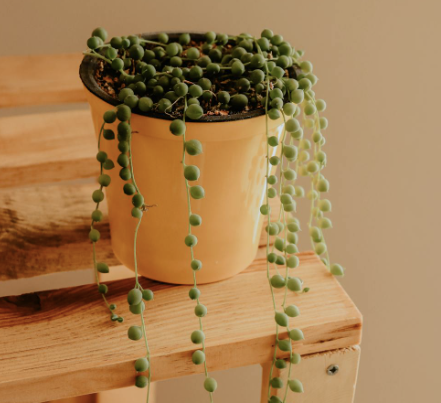
The String of Pearls, also known by its botanical names Senecio rowleyanus and Curio rowleyanus, is a trailing succulent plant from South Africa.
In its native habitat, it grows across dry areas where rainfall is limited. Its unusual bead-like leaves act as water storage organs, helping the plant survive long periods without rain.
You may also hear it called String of Beads or even String of Peas. Whatever name you use, it remains one of the most popular trailing succulents available today.
Types of String of Pearls
The standard green variety is the one most people know and love. It produces long stems covered in round, green pearls.
You can also find the Variegated String of Pearls variety. This version features cream, white, and green markings on the leaves. It grows a little slower but adds extra interest to a collection.
If you enjoy similar plants, you may also like String of Bananas and String of Hearts. They have similar growth habits but offer completely different leaf shapes.
Is String of Pearls Care Similar to Any Common Houseplants?
Yes, but with one important difference.
Unlike many tropical houseplants, String of Pearls behaves more like a succulent. It enjoys bright light, less water, and lower humidity levels.
If you’ve successfully grown succulents before, you’ll likely find this plant an excellent choice. Think of it as a trailing succulent rather than a traditional leafy houseplant.
String of Pearls is one of the most popular trailing succulents, but it’s far from the only option. If you’re looking to expand your collection, check out our roundup of the 17 string plants for your home.
Where to Grow and How to Style
One reason String of Pearls remains so popular is its versatility.
Its trailing stems look stunning in a hanging plant display. It also works beautifully on shelves, plant stands, and windowsills.
A bright spot near west windows or an east-facing window often provides ideal conditions.
Allow the strands to spill over the edge of a decorative pot for maximum impact. The longer the stems grow, the more dramatic the display becomes.
Light
Light is often the secret to strong growth.
String of Pearls loves bright indirect light and a few hours of gentle sunshine each day. A bright windowsill usually works best.
Without enough light, stems become stretched and thin. The pearls may grow farther apart, making the plant look sparse.
Too much direct sunlight, especially during hot afternoons, can scorch the leaves.
If your home is dark, a grow light can help maintain healthy growth year-round.
Water
Overwatering is the biggest mistake people make.
Because the leaves store water, String of Pearls needs surprisingly little water.
Allow the top of the soil to dry before watering again. During the active growing season, this usually means watering every couple of weeks.
During the winter months, watering should be reduced further.
Always avoid leaving the roots sitting in wet soil. Excess water quickly leads to root rot.
Temperature
This plant enjoys average household temperatures.
Aim for a temperature range between 18°C and 27°C.
Warm conditions during the summer months encourage active growth. Cooler conditions during winter help support its natural growth cycle.
Protect the plant from frost and cold drafts.
Humidity
Unlike many houseplants, String of Pearls prefers low humidity.
High humidity can increase the risk of fungal problems and root issues.
Most homes provide the perfect humidity level without any extra effort.
Fertiliser
Although this plant is not a heavy feeder, occasional feeding can encourage faster growth.
Use a succulent fertiliser or balanced liquid feed at half strength during the active growing season.
Feed every four to six weeks throughout spring and summer.
Avoid using too much fertilizer, as this can damage the roots and reduce growth.
Some growers also add a thin layer of worm compost to provide gentle nutrients.
Soil
The best way to keep roots healthy is by using a fast-draining soil mix.
A cactus mix works perfectly. You can also create your own mix using potting soil, perlite, and sharp sand.
Good drainage is essential.
The soil should dry quickly after watering.
Repotting
String of Pearls has a shallow root system, so it rarely needs a deep container.
In fact, a small pot is often better than a large pot.
Repot only when the root ball becomes crowded or roots begin growing through the drainage holes.
Choose a container with excellent drainage and only move up one size at a time.
Pruning
Pruning is one of the easiest ways to encourage fuller growth.
Trim back leggy strands using clean scissors.
This encourages branching and helps create a thicker plant.
Remove any dead stems as you find them.
Regular trimming also keeps the plant neat and attractive.
Propagation
The easiest way to create new plants is through stem cuttings.
Take healthy string of pearls cuttings during early spring or summer.
Allow the cut ends to dry briefly before placing them onto moist soil.
Roots usually develop within a few weeks.
Many growers also try water propagation, although soil propagation often provides the best results.
Seasonal Care
During spring and summer, your String of Pearls enters its main growth period.
This is the best time for feeding, pruning, repotting, and propagation.
Growth slows during autumn and winter. As a result, reduce watering and stop fertilising.
Following the plant’s natural cycle encourages stronger growth when warmer weather returns.
Plant Benefits
String of Pearls offers more than attractive foliage.
Its cascading stems add movement and texture to a room. It takes up very little space while creating a big visual impact.
It is also a good choice for shelves, apartments, and smaller homes.
Best of all, it is relatively low maintenance once established.
How to Encourage Blooming
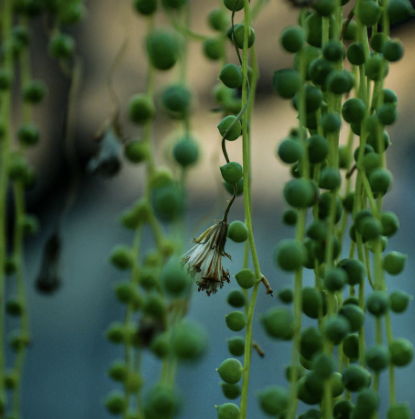
Mature plants may produce small white flowers with a sweet cinnamon scent.
To encourage blooms, provide plenty of bright light and a cooler resting period during winter.
Healthy, mature plants are far more likely to flower than young plants.
Patience is important.
Common Problems
Most problems come from incorrect watering or poor light.
Shrivelled pearls often indicate underwatering.
Soft, mushy leaves usually signal overwatering.
Sparse growth often means the plant needs more light.
A lack of growth can also occur if the roots remain constantly wet.
Finding the right balance between light and watering is key.
Pests
Common pests include mealybugs, aphids, and spider mites.
Inspect your plant regularly, especially around the crown of the plant and lower stems.
For small infestations, wipe affected areas with isopropyl alcohol.
Early treatment usually prevents larger problems.
Diseases
The most common disease is root rot.
Root rot develops when soil remains wet for too long.
Signs include yellow leaves, black stems, and a collapsing plant.
Good drainage and careful watering remain the best prevention methods.
Is String of Pearls Pet Friendly?
No. String of Pearls is considered toxic to cats and dogs if eaten. Keep the plant away from curious pets and young children.
How to Get String of Pearls to Grow Faster
If your plant isn’t growing, focus on three things.
First, increase light levels. More light often means faster growth.
Second, avoid overwatering. Healthy roots grow faster.
Third, prune regularly. Trimming encourages branching and creates a fuller plant.
With a little patience and a little luck, you’ll soon have long trailing strands and plenty of healthy new growth.
FAQ
How do you care for String of Pearls indoors?
Place it in bright indirect light, use well-draining soil, and water only when the soil dries out.
How do I make my String of Pearls fuller?
Prune long stems regularly and propagate cuttings back into the same pot.
Are String of Pearls low maintenance?
Yes. Once established, they need little water and minimal care.
What are common String of Pearls problems?
Root rot, overwatering, poor light, shrivelled pearls, and pest issues are the most common problems.
Do strings of pearls like deep pots?
No. Their shallow root system prefers wider, shallow containers.
Where is the best place to put a String of Pearls?
A bright spot with indirect sunlight is ideal. Hanging baskets near sunny windows work particularly well.
How do I bring my String of Pearls back to life?
Move it into brighter light, remove damaged growth, and correct any watering issues. Healthy sections can also be propagated.
Can strings of pearls survive in just water?
They can root in water temporarily, but they grow best long-term in well-draining soil.
Conclusion
Learning how to get String of Pearls to grow is often about doing less, not more. Give your plant plenty of light, avoid overwatering, and use a free-draining soil mix. With the right care, those tiny pearls will soon become long trailing strands that transform any room. Whether you’re a beginner or an experienced plant lover, this beautiful succulent is well worth adding to your collection.