
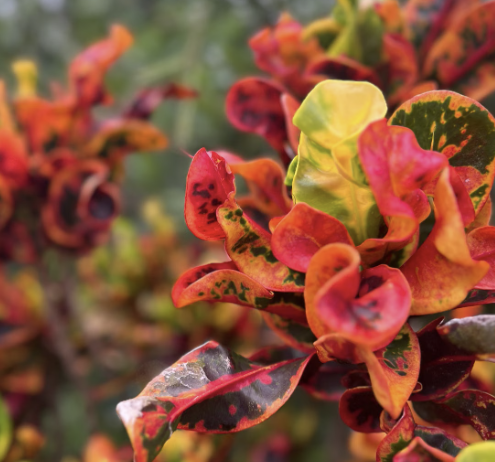
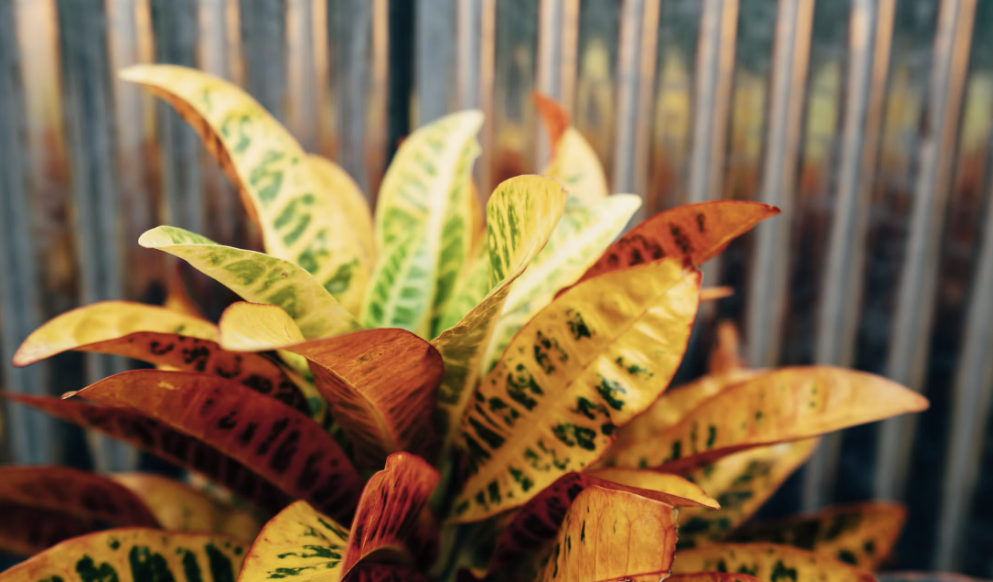
Croton plants are grown for one reason above all else: their incredible foliage. Few indoor plants can match the vibrant colours, striking foliage, and bold personality of a healthy plant. With shades of green, yellow, orange, red, and even purple, they create an instant pop of color in any room or garden.
You may struggle with leaf drop, faded leaf color, or slow growth. Often, the problem is not a lack of care. It is simply a lack of nutrients.
This guide explains everything you need to know about choosing the best fertilizer for crotons, when to use it, and how to avoid common mistakes.
Do Croton Plants Even Need Fertilizer?
Yes, croton plants benefit from regular feeding during the growing season.
In their native tropical environment across Southeast Asia, Southern Asia, and the Pacific Islands, crotons grow in nutrient-rich soil with warm temperatures and high humidity. Nutrients are constantly recycled in nature.
When grown as an indoor plant, those nutrients eventually run out. Even the best potting mix becomes depleted over time.
Fertilizer helps replace those nutrients and supports healthy growth, colorful foliage, and strong roots.
Without feeding the plant can survive, but they may not thrive.
Signs Your Plant Is Actively Growing
Crotons grow most actively during the growing season. This usually starts in early spring and continues through early fall.
During the growth period, you may notice new growth appearing at the tips of stems. New leaves often emerge green before developing their vibrant colors.
Healthy croton plants may also produce a lot of leaves during warm weather. The plant will appear fuller and more vigorous.
Growth slows during the winter months, especially if humidity levels drop or light levels decrease.
Can Croton Plants Survive Without Fertilizer?
Yes, they can survive without fertilizer, especially if they are growing in fresh soil.
However, over time, nutrients become depleted. Growth slows, colors fade, and the plant may struggle to replace dead leaves.
If your goal is simply survival, fertilizer is optional. If your goal is a beautiful plant with bright colors and healthy foliage, feeding makes a noticeable difference.
Signs Your Croton Plant Needs Fertilizer
A croton that needs feeding often becomes less colorful. The leaf color may fade, and new growth may slow down.
You might notice:
- Smaller leaves
- Slower growth
- Less vibrant colors
- Fewer new leaves
- Weak stems
Before reaching for fertilizer, check environmental factors first.
Cold drafts, poor lighting, excess water, and root rot can all cause similar symptoms.
Best Fertilizer for Crotons Plant
The best fertilizer for crotons is a balanced liquid fertilizer used during active growth.
Crotons need nitrogen for foliage growth, phosphorus for root development, and potassium for overall plant health.
A balanced formula provides all three nutrients without overwhelming the plant.
For most indoor crotons, a balanced liquid fertilizer diluted to half strength works extremely well.
Understanding NPK Ratios
When shopping for fertilizer, you will see three numbers on the label.
These numbers represent nitrogen, phosphorus, and potassium.
A 1-1-1 fertilizer contains equal amounts of each nutrient. It provides gentle, balanced feeding.
A 3-1-2 fertilizer contains more nitrogen, which supports healthy growth and colorful foliage.
Both options work well for croton plants.
For foliage plants, many growers prefer a 3-1-2 ratio because it supports stronger leaf production.
Liquid vs Granular Fertilizer
Liquid fertilizer is usually the easiest choice.
It mixes with water and reaches the root system quickly. It also allows you to control the strength of each feeding.
Granular fertilizers release nutrients more slowly. Some gardeners like this because it requires less frequent feeding.
Fertilizer spikes offer convenience, but they can sometimes create concentrated pockets of nutrients near the root ball.
For indoor crotons, liquid fertilizer is usually the safest option.
Top 5 Store-Bought Recommendations
Some excellent options include:
- Balanced liquid houseplant fertilizer
- Tropical plant fertilizer
- Fish emulsion fertilizer
- Organic indoor plant fertilizer
- Slow-release granular fertilizer for foliage plants
Before adding fertilizer, always check the products you are already using.
Many potting mixes, including some Miracle-Gro products, already contain fertilizer. Adding more immediately can lead to overfeeding.
Natural and Homemade Fertilizer for Crotons
Natural fertilizers can work very well for crotons.
Some good options include:
- Compost tea
- Worm castings
- Fish emulsion
- Diluted seaweed fertilizer
These provide nutrients while also improving soil health.
Coffee grounds are often recommended, but they are not usually the best choice.
Fresh coffee grounds can compact the soil and affect drainage. Crotons prefer good drainage and well-draining soil.
Raw kitchen scraps should also be avoided. They can attract pests and create unpleasant odors.
Organic vs Synthetic Fertilizers
Organic fertilizers release nutrients slowly and help improve soil structure.
Synthetic fertilizers provide nutrients immediately and often produce faster results.
Both can grow healthy plants.
The best choice depends on your gardening style. Many plant enthusiasts prefer organic fertilizers because they are gentler and reduce the risk of fertilizer burn.
When to Fertilize Croton Plants
The best time to fertilize crotons is during active growth.
Begin feeding in early spring when new growth appears.
Continue feeding through early summer and into early fall.
Stop fertilizing during winter when growth slows.
These plants need fewer nutrients during cooler months.
How Often to Fertilize Croton Plants
Most crotons do well with fertilizer every two to four weeks during the growing season.
If you are using a stronger product, fertilize less often.
Always follow the instructions on the label.
When in doubt, use less rather than more.
How to Fertilize Crotons (Step-by-Step)
Start by checking the top inch of soil.
The soil should be slightly moist, not completely dry.
Mix your fertilizer according to the label. For liquid fertilizer, use half strength.
Apply evenly around the soil surface.
Allow water to drain through the drainage holes at the bottom of the pot.
Discard any excess water from saucers.
Avoiding Fertilizer Burn
Fertilizer burn occurs when excess nutrients build up in the soil.
It can damage roots and affect healthy growth.
To avoid fertilizer burn:
- Always dilute liquid fertilizers
- Never fertilize dry soil
- Flush the soil occasionally with clean water
- Avoid feeding during winter
Signs of Over-Fertilizing
Too much fertilizer can cause:
- Yellow leaves
- Brown spots
- Crispy leaf edges
- Leaf drop
- Weak growth
In severe cases, the root system can become damaged.
Symptoms of Too Much Plant Food for Crotons
Overfed crotons often look stressed.
Common symptoms include:
- Yellow spots
- Brown leaf tips
- Curling leaves
- Wilting despite moist soil
- Sudden leaf drop
Many people mistake these symptoms for a lack of fertilizer and add even more.
Unfortunately, this makes the problem worse.
How to Fix Too Much Fertilizer
Stop feeding immediately.
Flush the soil thoroughly with clean water several times.
If the plant continues to decline, repot it into fresh, well-drained soil.
Trim any dead leaves with a clean cut.
Give the plant time to recover before fertilizing again.
Common Mistakes to Avoid
Many croton problems come from simple mistakes.
These include:
- Using too much fertilizer
- Fertilizing during winter
- Allowing excess water to collect in pots
- Growing plants in poor-draining soil
- Ignoring humidity levels
- Exposing plants to cold weather or cold drafts
These plants prefer a stable environment with consistent temperatures and high humidity.
Other Important Tips for Healthy Crotons
Light is just as important as fertilizer.
Crotons need bright light or indirect sunlight to maintain their vibrant colors. Too little light often leads to green leaves and faded foliage.
Humidity also matters. Dry air can lead to spider mites, leaf drop, and brown edges.
Regular misting, a pebble tray, or higher humidity levels can help.
Wipe leaves occasionally with a damp cloth to keep them clean and healthy.
With proper care, they become stunning focal points in any houseplant collection.
Frequently Asked Questions
What is the best fertilizer for crotons?
A balanced liquid fertilizer used at half strength during the growing season is usually the best fertilizer.
Are coffee grounds good for croton?
Not usually. Coffee grounds can affect drainage and soil structure. They prefer well-draining soil and good drainage.
How to make croton grow faster?
Provide bright light, warm temperatures, high humidity, proper watering, and regular feeding during the growing season.
How often should I water a croton?
Water when the top inch of soil feels dry. Keep the soil lightly moist but never soggy.
How to get croton to grow new leaves?
Ensure the plant receives bright light, consistent moisture, warm temperatures, and balanced fertilizer during active growth.
What is the best homemade fertilizer for plants?
Compost tea and worm castings are among the safest and most effective homemade fertilizer options.
How to improve soil for crotons?
Use a well-draining soil mix with organic matter, good aeration, and proper drainage holes. Fresh soil can significantly improve plant health.
Crotons are one of the most rewarding foliage plants you can grow. Their colorful foliage, striking patterns, and vibrant colors make them stand out from different plants in any room.
The secret is balance.
Give them bright light, good drainage, consistent care, and the right fertilizer during the growing season. Do that, and your croton will reward you with healthy growth and beautiful foliage for years to come.